
Brantley opposes CBI wind-down as Drew gives no closing date or detail of bridging finance
The Nevis Premier and federal Opposition Leader says he does not back ending the citizenship programme, as the government has yet to explain how the lost revenue will be replaced.
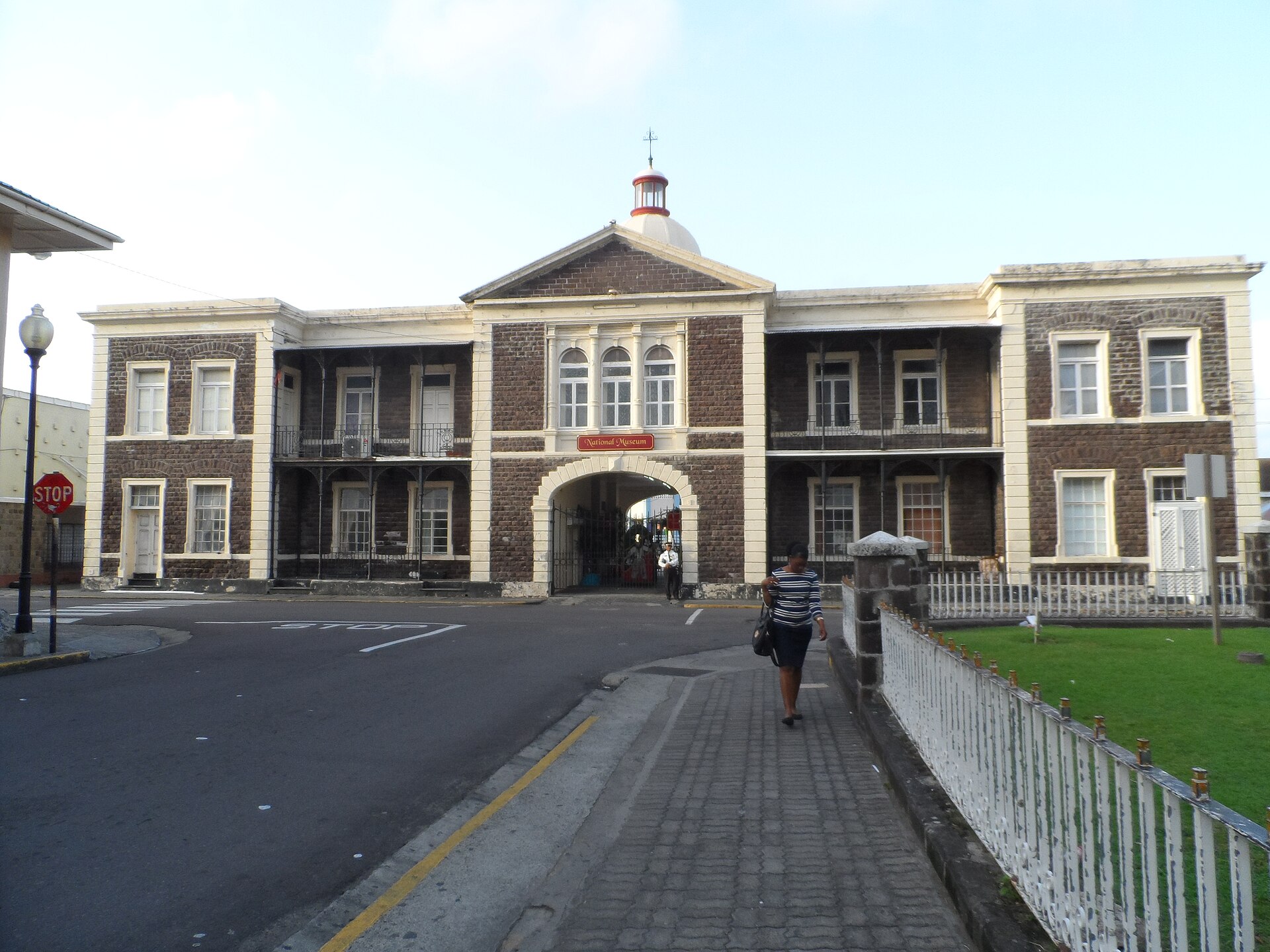
BASSETERRE, St Kitts. Mark Brantley, the Nevis Premier and Leader of the Opposition, has said he does not support the Drew administration's decision to wind down the Citizenship by Investment (CBI) Programme, the federation's largest source of revenue for much of the past two decades.
In remarks reported by a British newspaper on Tuesday, Mr Brantley accepted that the European Union had left the country little choice. But he described the proposed phase-out date of June 2028 as "frankly ludicrous" and questioned how small island economies could replace decades of CBI income in that time without a defined transition package.
Prime Minister Dr Terrance Drew announced the wind-down in a national address on 13 November. A follow-up release from his office on Monday said protecting correspondent banking links, remittances and trade had been central to the decision, warning that losing them would hit tourism, banks, offshore education and importers.
"I will not gamble with that," Dr Drew said.
No closing date
The government has not said when applications will close. It says the final deadline will be announced once agreed with Brussels, and that applications are still being processed under existing vetting rules. The European Commission wrote to the federation in June proposing the wind-down. Antigua and Barbuda has disclosed that the Commission asked it to phase out its own programme by 1 June 2028. The government says existing citizens and their travel rights are unaffected.
The fiscal stakes are considerable. Dr Drew has said the programme raised about EC$6.5bn between 2008 and 2025, roughly half of all federal cash collected in that period. An IMF assessment in May recorded a fiscal deficit of 11.7 per cent of GDP in 2025 and public debt of 58.4 per cent of GDP, close to the 60 per cent regional benchmark. It projected government deposits falling to 3 per cent of GDP this year, from 31 per cent in 2021.
Dr Drew has ruled out tax rises and says the government has discussed bridging finance, but no figure, lender or terms have been made public. He has said he hopes to cut CBI's share of the budget below 10 per cent in 2027. The 2027 budget has been pushed past December.
Mr Brantley has long pressed for more openness on the programme. In November 2024 he called on the Prime Minister to publish how many passports had been issued, how much money had been raised and how much had been paid to agents.
 Brantley urges five-year CBI transition as federal government keeps its own timetable under wraps
 Skerrit promises community programme to improve access to MPs as Dominica heads to the polls
 Venezuela restates it will not recognise World Court role in Essequibo dispute with Guyana
 US embassy says Washington still backs 1899 award after reports an official floated Essequibo concession