
Grenada says it will keep citizenship by investment until 2032 as islands push back on EU deadline
Eastern Caribbean governments are seeking later end dates and replacement revenue as the EU presses them to wind down golden passport programmes by 2028.

ST GEORGE'S, Grenada. Eastern Caribbean countries that sell citizenship to wealthy foreigners are beginning to resist European Union demands that they close their programmes by 2028, with some proposing later end dates and others asking for financial help to offset lost revenue.
Grenada has taken the firmest line, making clear that it will not meet the 2028 deadline and intends to end its own programme by 2032.
Antigua has asked for a 2030 wind-up date. Except for St Kitts and Nevis, which is negotiating its own date with the EU to end its programme sooner, most of the other participating countries want support measures, such as replacement revenue, to accompany any closure.
Call for a development package
Prime Minister Dickon Mitchell told reporters on 16 November that the investment migration industry provides substantial revenue to the government and substantial investment to Grenada's economy.
"If you're asking us not to stay in the programme, we are saying that we would like to have a development aid package that would reflect the diminution in revenue and investment opportunities that would be lost," he said.
Mr Mitchell pointed to developed countries with comparable schemes, citing migrant workers in Canada's agricultural sector and what he described as the US "golden visa" approach of about $5 million.
"I don't see the investment migration industry not being ever present. Everybody's looking for a better life."
He said investment migration would always exist in some form, even if it changed over time.
Five programmes under pressure
St Kitts and Nevis, Antigua, St Lucia, Dominica and Grenada operate citizenship by investment programmes, and the new government in St Vincent plans to launch one of its own. The governments of Grenada and St Lucia have each said their programmes brought in close to $70 million last year, revenue that would have to be replaced by other means.
The sub-region is under pressure to comply because the EU has threatened to withdraw visa-free travel for citizens and passport holders. Visa-free access is one of the main reasons foreigners buy the passports.
The EU has complained that some people with dubious backgrounds have entered the bloc using the passports. Regional authorities have pushed back, saying the numbers are very small and should not cause alarm.
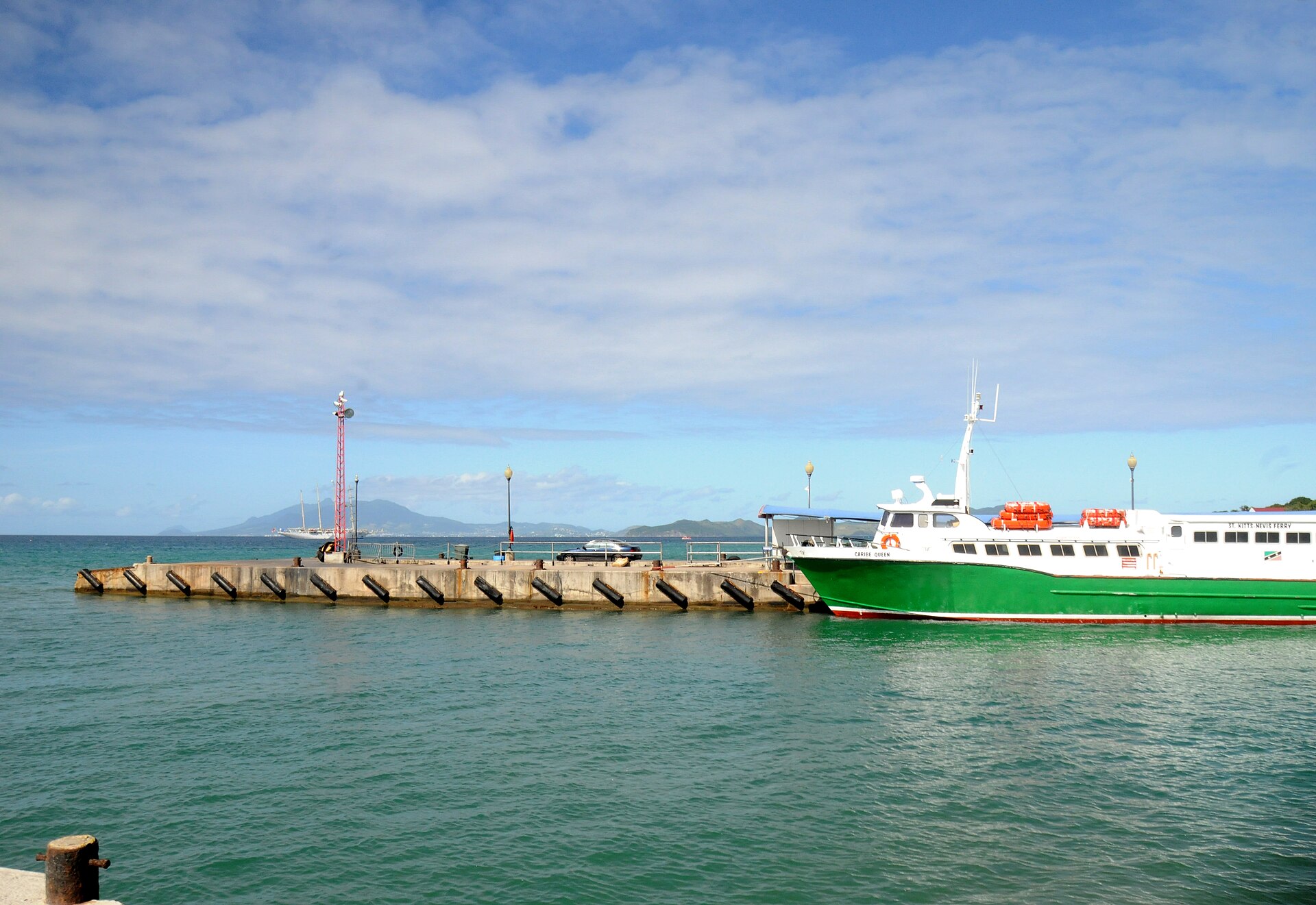 Brantley urges five-year CBI transition as federal government keeps its own timetable under wraps
 Skerrit promises community programme to improve access to MPs as Dominica heads to the polls
 Venezuela restates it will not recognise World Court role in Essequibo dispute with Guyana
 US embassy says Washington still backs 1899 award after reports an official floated Essequibo concession