
Mitchell swears in 15-member Grenada cabinet and says its size is deliberate
The prime minister, re-elected with 14 of 15 seats, has named new foreign, security and legal affairs ministers and will appoint three senators to ministerial posts.
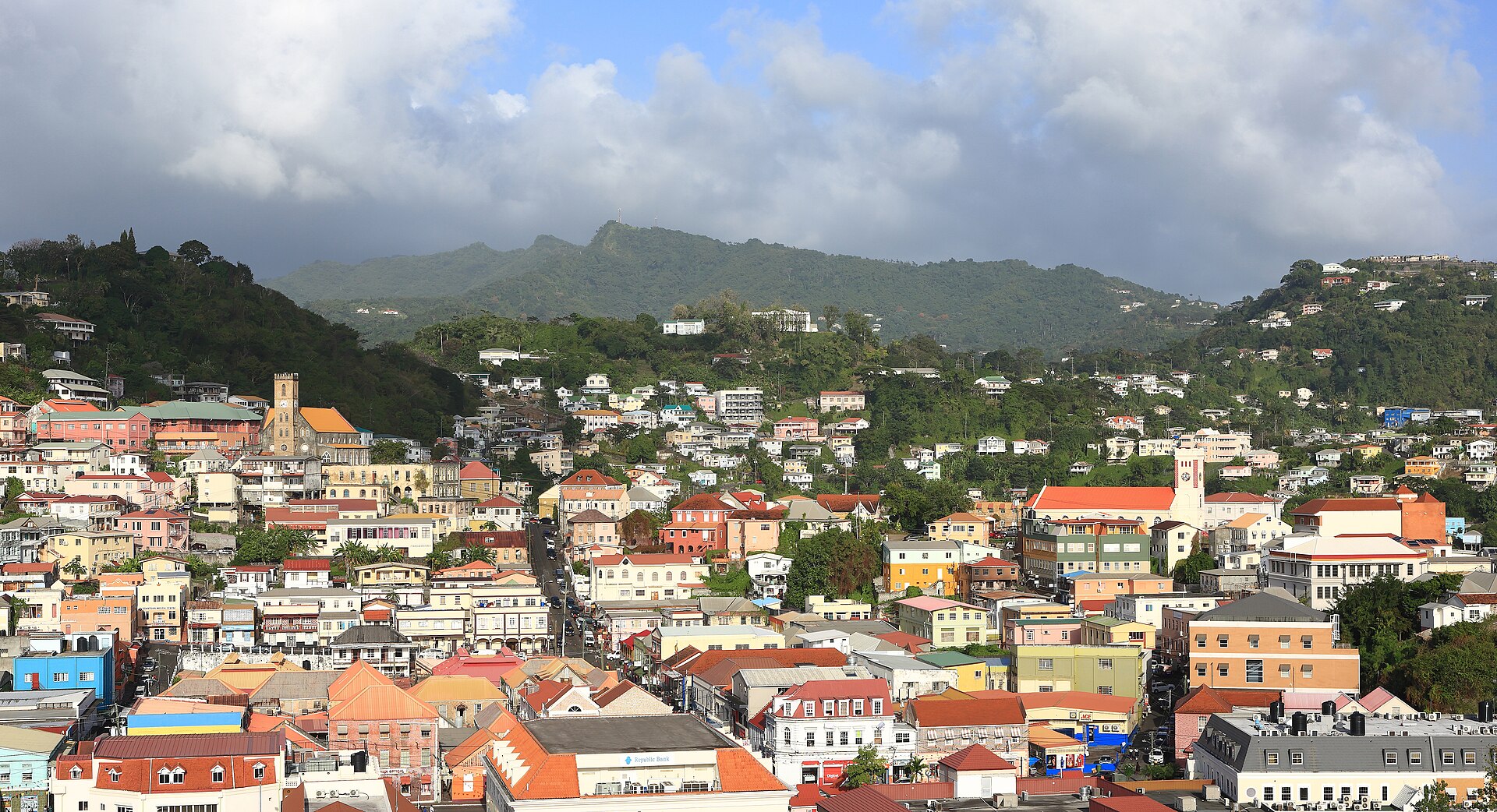
ST GEORGE'S, Grenada. Grenada's Prime Minister Dickon Mitchell has told his newly sworn-in 15-member cabinet to lead with humility and work with urgency, warning that the true measure of the government would not be found in the swearing-in ceremony.
The ministers were sworn in on Monday by the Governor General, Dame Cécile La Grenade. Mitchell led the National Democratic Congress (NDC) to a second consecutive term on 5 November, winning 14 of the 15 seats in an election called almost a year before the constitutional deadline. The New National Party (NNP) won one seat.
In the June 2022 election, the NDC won nine seats to end the NNP's hold on all 15 seats in parliament.
"Yes, we will not always get everything right," Mitchell said, addressing citizens of Grenada, Carriacou and Petite Martinique. "We will remain accountable. We will remain determined."
New portfolios
Former attorney general Claudette Joseph is now responsible for the Ministry of Petroleum, Hydrocarbon, Constituency Affairs and Community Development. Tarli Francis, the former ambassador to the United States, becomes Minister of Foreign Affairs and Export Development.
Delma Thomas has been appointed Minister of Family, Social Affairs, Wellness and Religious Affairs, and Afri Ventour is Attorney General and Minister of Legal Affairs and Justice. Former finance minister Dennis Conwell is the new Minister for National Security, Home Affairs and Disaster Management.
A larger team
Mitchell said the size and composition of the cabinet were deliberate, given the scale of the government's responsibilities, including reforming education, strengthening healthcare, modernising public administration and building climate-resilient infrastructure.
He said a broader spread of portfolios allowed greater specialisation and oversight, but insisted that a larger cabinet "must never become an excuse for a larger bureaucracy, unnecessary expenditure, or inefficiency".
"Each minister must understand that public office is not a reward, it is a responsibility," he said.
Some of those appointed did not contest the election. Mitchell said he would appoint three senators and give them ministerial posts, arguing that the talent needed to develop the country is not confined to election candidates. "This is not a departure from democracy," he said, adding that ministers entering through the Senate would be held to the same standards as elected members. "No minister is above scrutiny."
 Brantley urges five-year CBI transition as federal government keeps its own timetable under wraps
 Skerrit promises community programme to improve access to MPs as Dominica heads to the polls
 Venezuela restates it will not recognise World Court role in Essequibo dispute with Guyana
 US embassy says Washington still backs 1899 award after reports an official floated Essequibo concession