
Canada commits $23 million to Caribbean schools, disaster readiness and sargassum projects
The Caribbean share of a $70 million Commonwealth package includes support for the World Food Programme's regional logistics hub in Barbados.
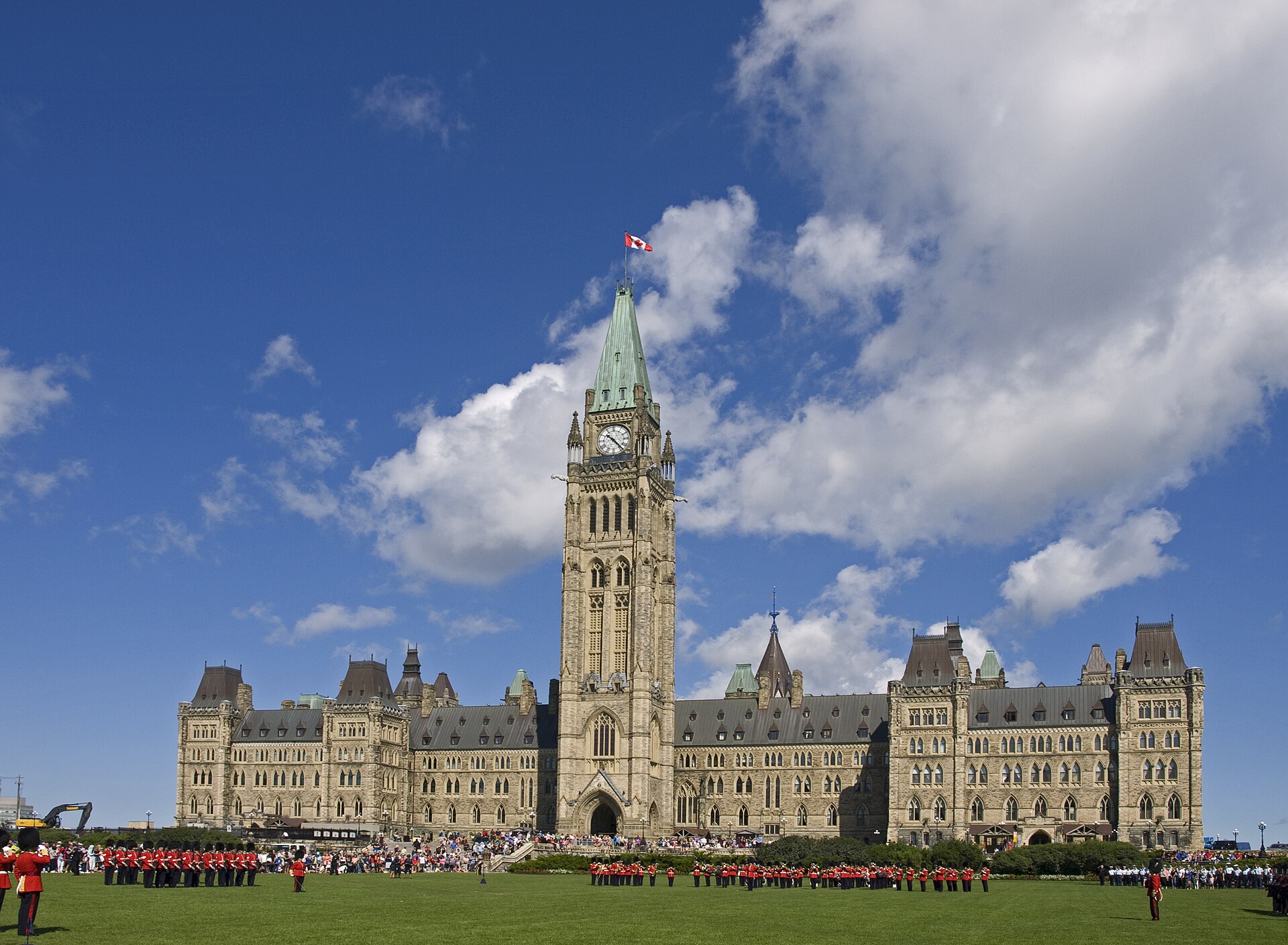
OTTAWA, Canada. Canada has committed $23 million to four Caribbean initiatives as part of a package of more than $70 million in new investments announced by Mark Carney, the prime minister, at a meeting with Commonwealth leaders on 3 November.
The package is aimed at supporting economic growth, improving infrastructure and helping vulnerable communities prepare for natural disasters.
Schools and resilience
The largest Caribbean allocation, $10 million over six years, will support improvements to schools, education systems and emergency preparedness in Belize, Dominica, Grenada, Jamaica, Saint Lucia, St Vincent and the Grenadines, and Suriname.
A further $5 million over two years will help Dominica, Grenada, Saint Lucia, and St Vincent and the Grenadines develop infrastructure able to withstand climate-related pressures while strengthening local technical expertise.
Canada is also providing $5 million over two years to the World Food Programme's Caribbean Regional Logistics Hub in Barbados, which stores and distributes food and emergency supplies when hurricanes and other disasters disrupt communities and supply chains.
Another $3 million over three years will help Caribbean businesses explore commercial uses for sargassum seaweed, turning it into products such as fertilisers, construction materials and biofuels while creating jobs and investment.
Talks with Ali and Browne
Outside the Caribbean, the package includes a $50 million loan to Zambia's largest financial institution to expand lending to small and medium-sized businesses.
Mr Carney's talks with Guyana's President Irfaan Ali focused on energy, mining, agriculture and infrastructure. Trade between the two countries approached $360 million last year, and the leaders considered a Foreign Investment Promotion and Protection Agreement to give investors greater security.
His meeting with Gaston Browne, prime minister of Antigua and Barbuda, covered trade, investment, energy, climate resilience, youth development and tourism, as well as the wider concerns of small island developing states.
 Barbados and the UN to host Bridgetown summit on AI safety on Monday
 Allen Chastanet to be honoured with CMEx lifetime award for four decades in tourism
 Trinidad minister calls break-in at Tabaquite water station a national security matter
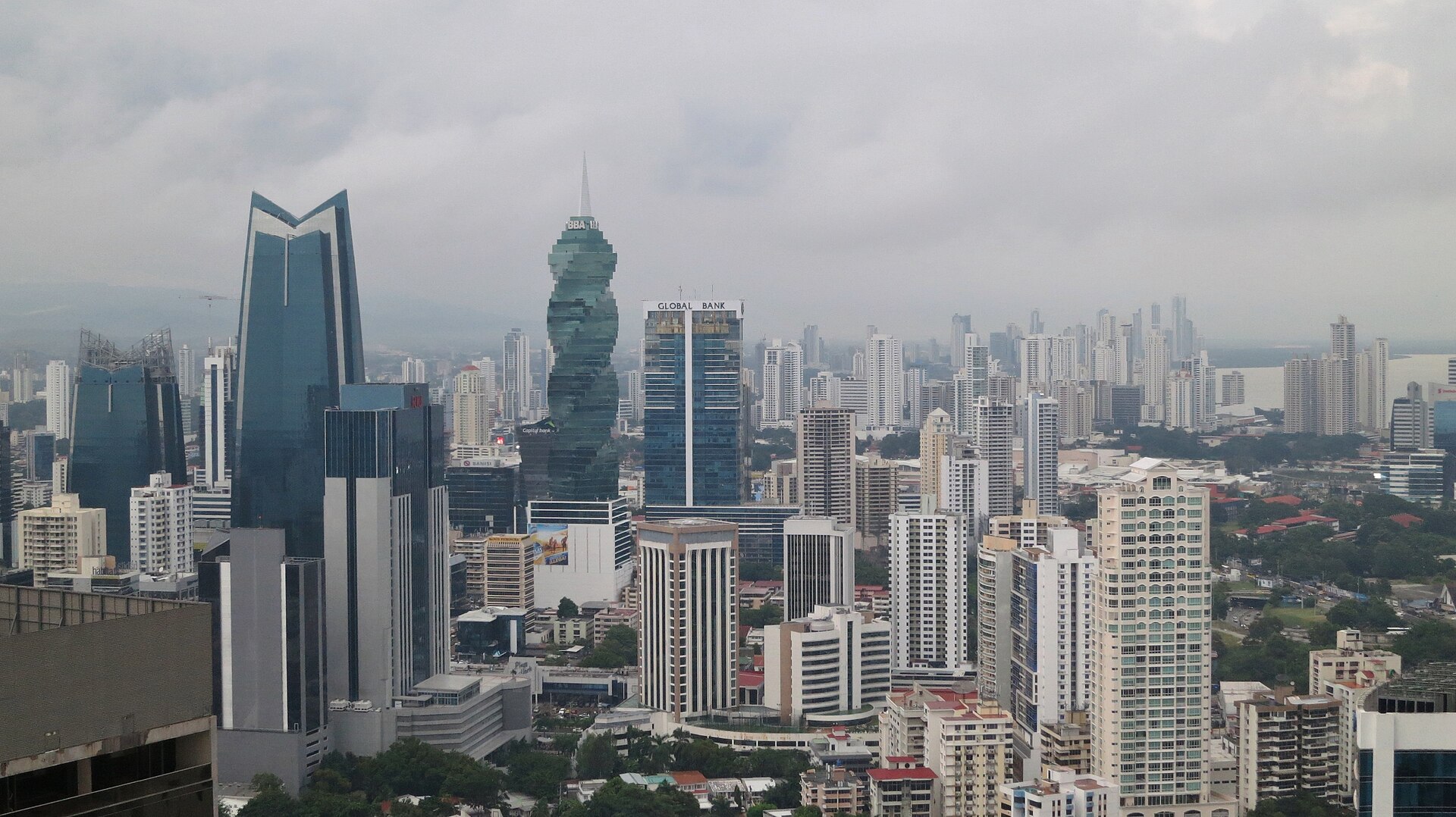 Ali and Mottley among ten leaders set for CAF forum in Panama in January