
Caribbean farm workers press for overhaul of Canada's seasonal programme as review meets in Jamaica
Workers from countries including St Kitts and Nevis want permanent residency pathways and an end to employer-specific permits, as governments gather in Ocho Rios.
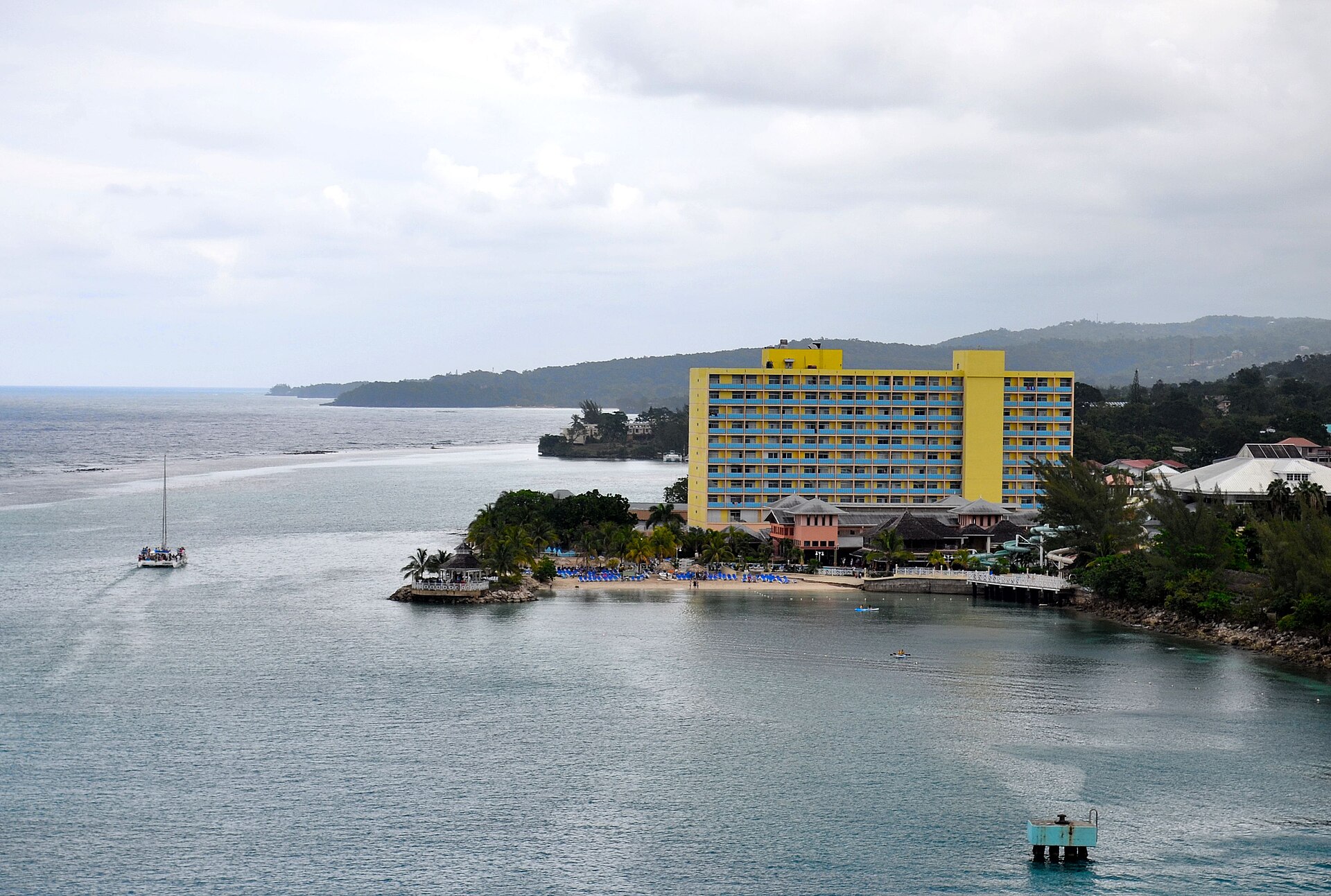
OCHO RIOS, Jamaica. Caribbean migrant agricultural workers are pressing Canada and participating governments to overhaul the Seasonal Agricultural Worker Program, arguing that decades of negotiations have failed to deal properly with their working conditions, legal rights and welfare.
The demands come as Jamaica hosts the 2026 Canada-Caribbean Seasonal Agricultural Worker Program annual review meeting in Ocho Rios, St Ann, this month. Current and former participants want workers to have a central role in the talks, rather than leaving decisions to government representatives and employers.
The programme was set up in 1966 through a bilateral agreement between Jamaica and Canada and now involves 11 Caribbean countries, including St Kitts and Nevis, Anguilla, Antigua and Barbuda, Barbados, Dominica, Grenada, Montserrat, St Lucia, St Vincent and the Grenadines, and Trinidad and Tobago.
Tied to employers
Critics say the arrangements leave workers vulnerable. Participants are generally tied to individual employers, have limited freedom to change jobs, must live on employers' premises and must go home when their contracts end. Workers must leave Canada by 15 December each year.
Their main demands include permanent residency pathways from arrival, an end to employer-specific work permits and unilateral repatriations, and access to healthcare regardless of immigration or employment status.
They are also seeking full compensation for workplace injuries, access to Employment Insurance and pensions, protection against wage theft and unlawful deductions, wages that reflect rising living costs, safe housing, the right to organise and bargain collectively, and mandatory coroners' inquests into workplace deaths.
UN rapporteur's concerns
Ashwini K.P., the UN Special Rapporteur on contemporary forms of racism, raised similar issues after a fact-finding visit to Canada in October. She urged Canada to abolish closed work permits, set out clear pathways to permanent residency and ensure equal access to healthcare and other public services.
She said she had met workers who described unsafe and degrading conditions, inadequate food and rest, limited medical help and serious injuries, including deaths. She said dependence on employers and the threat of repatriation discouraged workers from challenging abuse, and described the persistence of documented violations over decades as shocking.
Advocates say workers' experiences must shape any reforms to a programme approaching its 60th anniversary.
 Barbados and the UN to host Bridgetown summit on AI safety on Monday
 Allen Chastanet to be honoured with CMEx lifetime award for four decades in tourism
 Trinidad minister calls break-in at Tabaquite water station a national security matter
 Ali and Mottley among ten leaders set for CAF forum in Panama in January