
Mottley launches petition seeking 1.5bn signatures to push for cuts in methane emissions
The Barbados prime minister told the COP31 summit that controlling methane could cut warming by 0.3C to 0.5C and buy the world time to decarbonise.
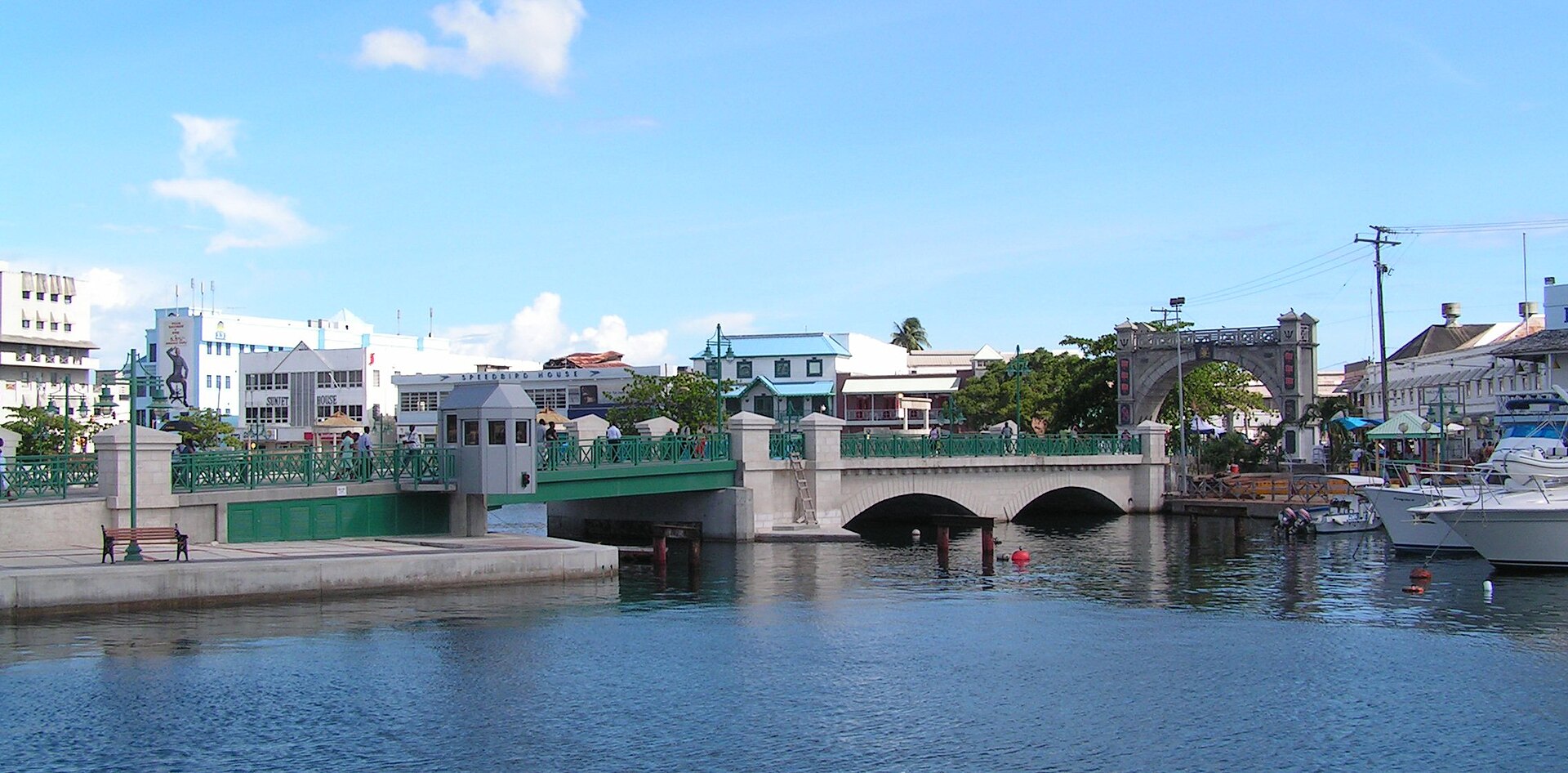
ANTALYA, Turkey. Barbados Prime Minister Mia Mottley has called on people around the world to demand stronger action on climate change, launching a petition at the COP31 summit to push for cuts in methane emissions.
The petition aims to gather 1.5 billion signatures, a figure that reflects the international goal of limiting global warming to 1.5C above pre-industrial levels.
Mottley said reducing methane could give the world valuable time to move away from fossil fuels.
"If we can control methane, we can reduce temperature rises by 0.3C to 0.5C. We can buy time to continue decarbonising," she said.
Methane is about 80 times more powerful than carbon dioxide at trapping heat over a 20-year period. Major sources include oil and gas operations, coal mines, livestock farming and landfill sites.
Public pressure
Mottley expressed frustration with governments that make ambitious environmental promises while continuing to depend heavily on fossil fuels, and described public indifference to climate change as a dangerous obstacle.
"Ordinary people have to be able to say what their view is with respect to living on this Earth," she said.
Her appeal came as COP31 negotiations entered their second week, with delegates considering stronger emissions commitments and more financial help for developing countries facing the greatest climate risks.
Banks and oil companies
Mottley called on international banks and major fossil fuel companies to take greater responsibility for helping countries recover from climate-related disasters.
She backed proposals to temporarily scrap remittance transfer fees after major disasters, so that overseas workers could send more money directly to affected families. Remittances from relatives in Canada, the United States and Britain are an important source of household income in the Caribbean.
She also urged oil and gas companies to contribute to international funds set up to compensate vulnerable nations for climate-related loss and damage.
"What the world needs is a moment where we share the burden, in order to share the bounty in future," she said.
Barbados and the UN to host Bridgetown summit on AI safety on Monday Allen Chastanet to be honoured with CMEx lifetime award for four decades in tourism
 Trinidad minister calls break-in at Tabaquite water station a national security matter
 Ali and Mottley among ten leaders set for CAF forum in Panama in January