
OAS report proposes port control centre and secure cargo corridors to protect Haiti's trade routes
The recommendations, drawn from a conference in Panama, aim to curb trafficking in firearms and narcotics and ensure humanitarian aid reaches Haitians.
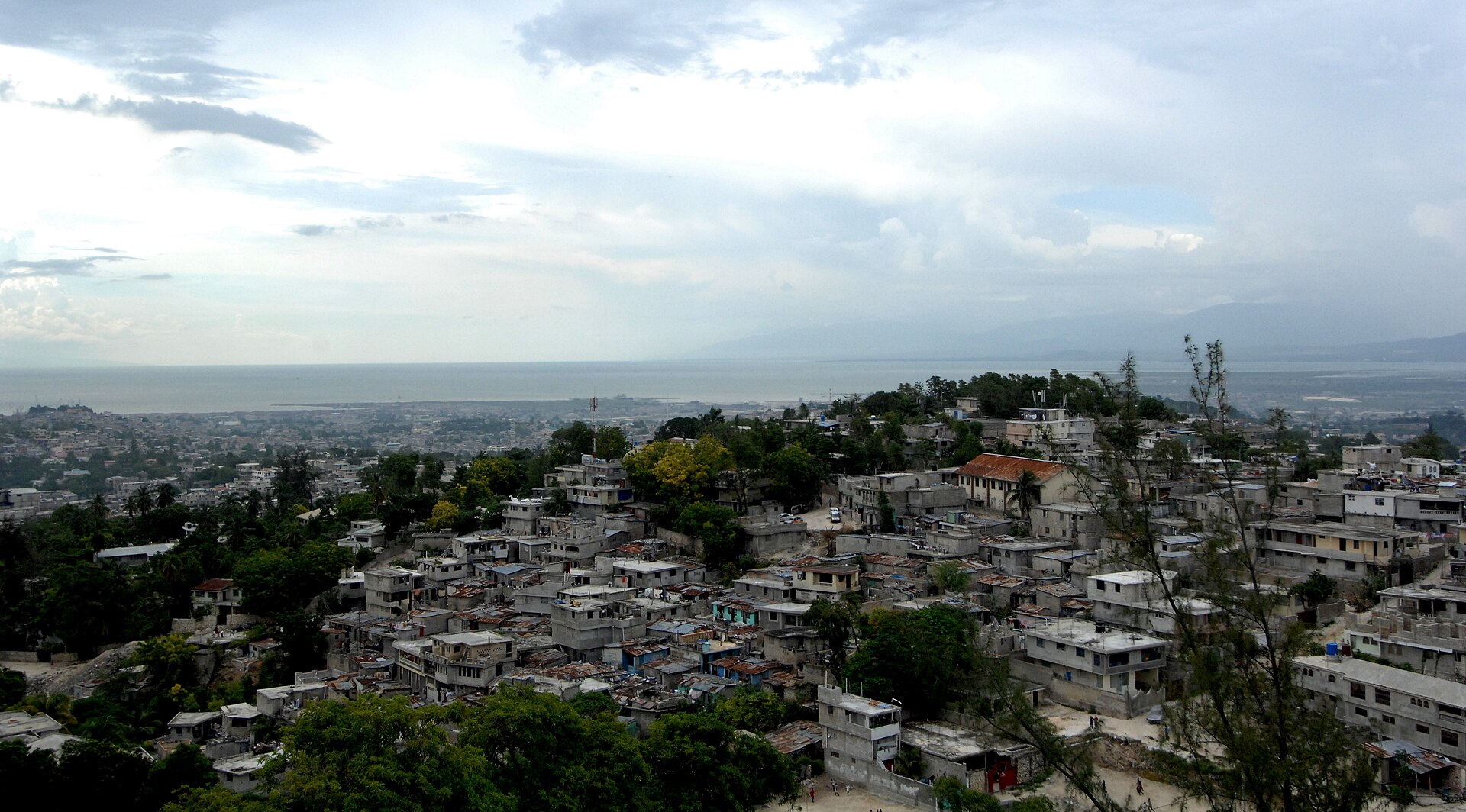
PORT-AU-PRINCE, Haiti. An interagency port control centre, better maritime surveillance and secure corridors for humanitarian and commercial cargo are among the proposals in a new report by the General Secretariat of the Organization of American States (OAS) on security at Haiti's ports.
The report sets out the outcomes of the 2026 OAS Conference on Maritime and Port Security in Haiti, held on 18 and 19 March in Panama City under the OAS Action Plan for Haiti. The meeting brought together representatives of 11 OAS member states, one observer country, 12 international and multilateral organisations, Haitian institutions and regional experts.
Key recommendations
The report calls for a port control centre to coordinate the institutions responsible for securing ports and their maritime approaches, and for a single data-sharing platform using radar, satellite imagery and vessel identification systems.
It also recommends access controls, cameras, lighting and escorts for humanitarian and commercial cargo; certification, regional training and anti-corruption measures for port and maritime staff; and a modernised legal framework, including a proposed port security fund financed through dedicated fees.
The analysis pays particular attention to the port infrastructure of Port-au-Prince, whose stabilisation it considers essential for both economic recovery and national security.
'Ensure humanitarian assistance reaches those who need it'
OAS Secretary General Albert Ramdin said the initiative was part of the organisation's commitment to Haiti's security, stability and recovery.
"Supporting Haiti in protecting its ports and trade routes helps ensure that humanitarian assistance reaches those who need it and that the country restores essential conditions for its development," he said, adding that the effort would be carried out under the leadership of Haitian authorities and in line with the priorities of its people.
The report recommends combining immediate improvements with long-term institutional reforms, and says a more secure maritime environment would help combat trafficking in firearms, narcotics and other goods, protect legitimate trade and strengthen the rule of law.
It is being made available to member states, international organisations and agencies running cooperation projects in Haiti as a practical guide, with the aim of aligning international support with the priorities of Haitian institutions and avoiding duplication.
The conference and report were funded by the Government of Canada through its Anti-Crime Capacity Building Program.
 Barbados and the UN to host Bridgetown summit on AI safety on Monday
 Allen Chastanet to be honoured with CMEx lifetime award for four decades in tourism
 Trinidad minister calls break-in at Tabaquite water station a national security matter
 Ali and Mottley among ten leaders set for CAF forum in Panama in January