
Thousands march in Port-au-Prince to back Bukele's troops against Haiti's gangs
Demonstrators urged El Salvador's president to keep up the offensive as the UN reported 4,595 people killed in armed violence in Haiti this year.
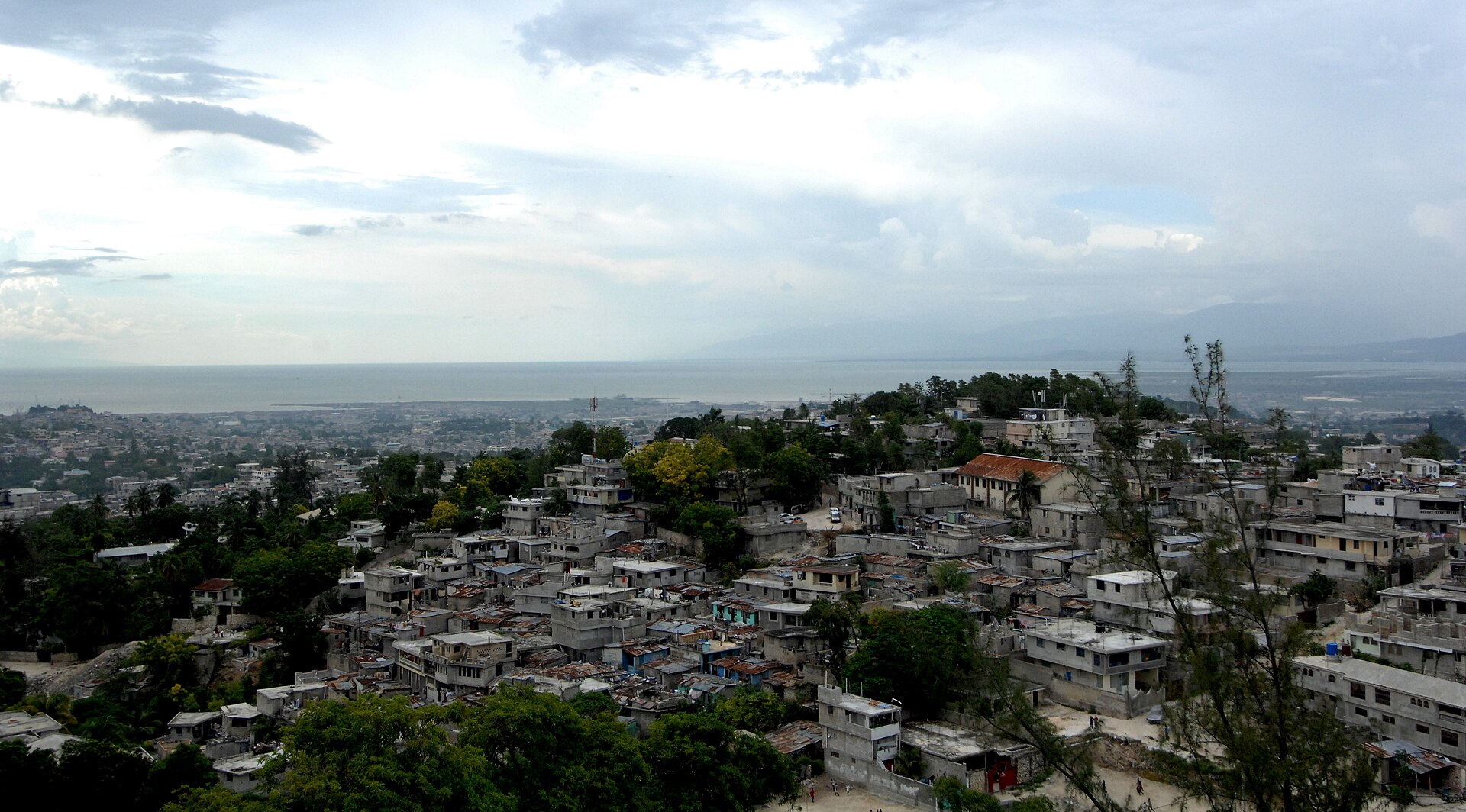
PORT-AU-PRINCE, Haiti. Thousands of Haitians took to the streets on Tuesday to show support for El Salvador's President Nayib Bukele and the operations against armed gangs in Haiti.
Photographs of the demonstrations showed large crowds carrying Haitian flags and handwritten signs praising Bukele, calling for continued action against the gangs and rejecting negotiations with armed groups.
"Keep fighting... because otherwise, they'll end up killing us all," one sign read. Some marchers shouted "Give them the drones and the dogs!", a reference to explosive drones used against gang-held areas and robot dogs recently deployed on patrol in Port-au-Prince.
Residents told the media that gangs had driven them out, burned their houses and killed their children.
Salvadoran deployment
Bukele has sent roughly 2,000 to 2,500 troops to Haiti after four Salvadoran Air Force technicians serving with the UN-backed Gang Suppression Force were kidnapped in an ambush in Croix-des-Bouquets on 18 October.
What began as a rescue mission has widened into a broader crackdown on Haiti's most powerful gangs, including the targeting of the 400 Mawozo gang's compound, with the aim of applying El Salvador's anti-gang model abroad.
Haitian forces and the Gang Suppression Force are directly supporting the Salvadoran operation, while the United States, Colombia and the Dominican Republic have helped transport Salvadoran personnel and equipment.
UN warning
Earlier on Tuesday, the UN human rights office in Geneva said gangs continued to commit atrocious abuses. Its spokesperson, Marta Hurtado, said the UN had documented 4,595 people killed and 2,050 injured in armed violence between the start of the year and 31 October, including 1,167 killed and 459 injured between 1 July and 30 September.
In that quarter, at least 340 women and girls were subjected to sexual violence, most of them gang rape, bringing the total from 1 January to 30 September to 1,497 cases.
"Intensified security operations also continue to pose human rights risks for the population, when they are not conducted in full compliance with international human rights law," Hurtado said.
She said gangs had adapted their tactics as operations intensified, including retaliatory attacks on residents suspected of cooperating with security forces, organised kidnappings, increased forced recruitment of children and young people, and tighter restrictions on movement.
 Barbados and the UN to host Bridgetown summit on AI safety on Monday
 Allen Chastanet to be honoured with CMEx lifetime award for four decades in tourism
 Trinidad minister calls break-in at Tabaquite water station a national security matter
 Ali and Mottley among ten leaders set for CAF forum in Panama in January