
US$10m sargassum project to help Jamaica, Grenada, Saint Lucia and others forecast seaweed influxes
CAF and the Global Environment Facility presented the SargMarine programme at COP31. It also expects US$67.3 million in co-financing.
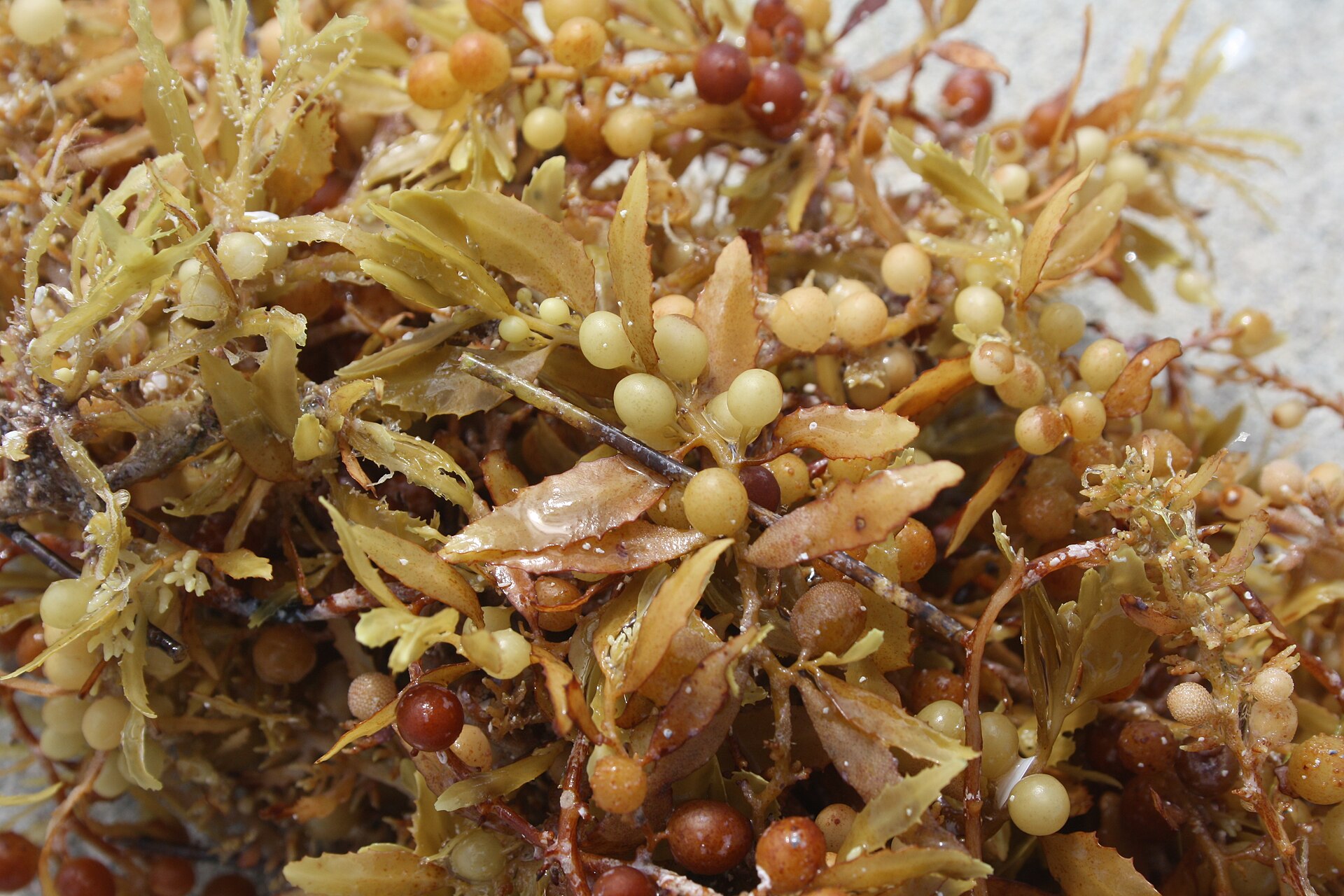
ANTALYA, Turkey. CAF, the Development Bank of Latin America and the Caribbean, and the Global Environment Facility (GEF) have launched a US$10 million regional project to tackle the massive sargassum influxes affecting coasts across the Greater Caribbean.
The project, called SargMarine, was presented at the COP31 climate summit with the support of Mexico and France. It is financed by a GEF grant and envisages a further US$67.3 million in co-financing.
It will support Colombia, Panama, the Dominican Republic, Jamaica, Trinidad and Tobago, Grenada and Saint Lucia in strengthening early warning systems, coordinating their responses and developing productive uses for the seaweed.
CAF will be the implementing agency, the Organization of American States the executing agency and the Inter-American Institute for Global Change Research a technical partner.
Record volumes
According to the United Nations Environment Programme, 37.5 million tonnes of sargassum were recorded in the Atlantic in May 2025, the highest volume since monitoring began in 2011. The influxes affect tourism, fisheries, coastal ecosystems and community health.
"Sargassum is a transboundary phenomenon, but our responses remain largely national," said Lina Mondragón, CAF's climate action and positive biodiversity manager.
Chizuru Aoki of the GEF said the initiative had received final approval and was ready to get under way.
Caribbean priorities
Matthew Samuda, Jamaica's special envoy for climate change, environment, oceans and the blue economy, said better forecasting was the priority.
"We want to know when it will arrive and where," Samuda said.
He said such information would help decide where to concentrate protection efforts and support planning for productive uses of sargassum, which depend on knowing how much raw material will be available.
Ana Emilia Pimentel, the Dominican Republic's vice-minister for climate change and sustainability, said responses must take account of community needs as well as economic consequences. "We also have to think about this from the perspective of the people," she said.
Colombia's environment minister, Fabio Arjona Hincapié, said: "Local solutions definitely will not work on their own."
 Barbados and the UN to host Bridgetown summit on AI safety on Monday
 Allen Chastanet to be honoured with CMEx lifetime award for four decades in tourism
 Trinidad minister calls break-in at Tabaquite water station a national security matter
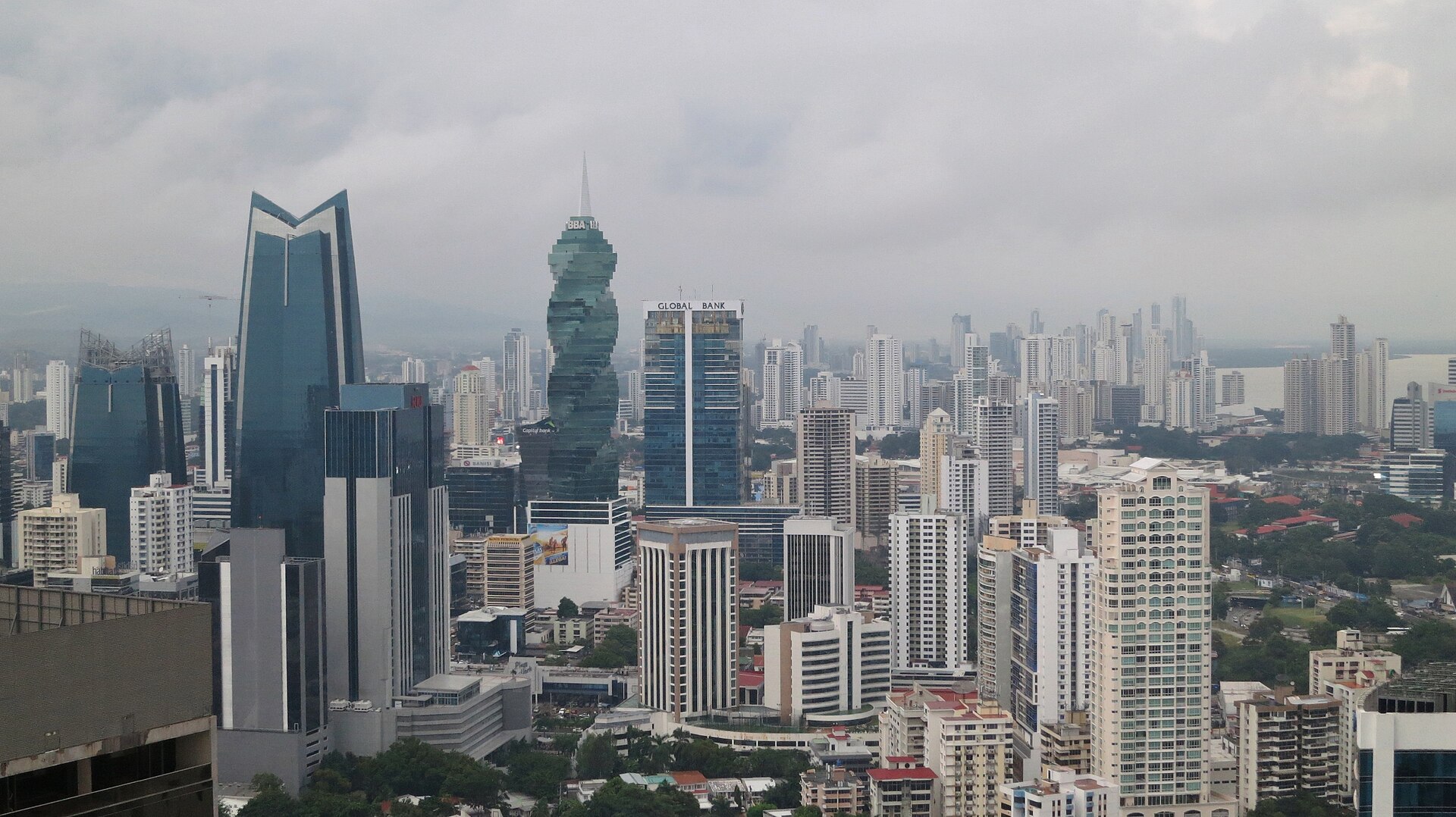 Ali and Mottley among ten leaders set for CAF forum in Panama in January