
WMO president tells Caribbean weather chiefs small islands are on the climate front line
Abdulla Al Mandous became the first head of the World Meteorological Organization to attend a session of the Caribbean Meteorological Council.
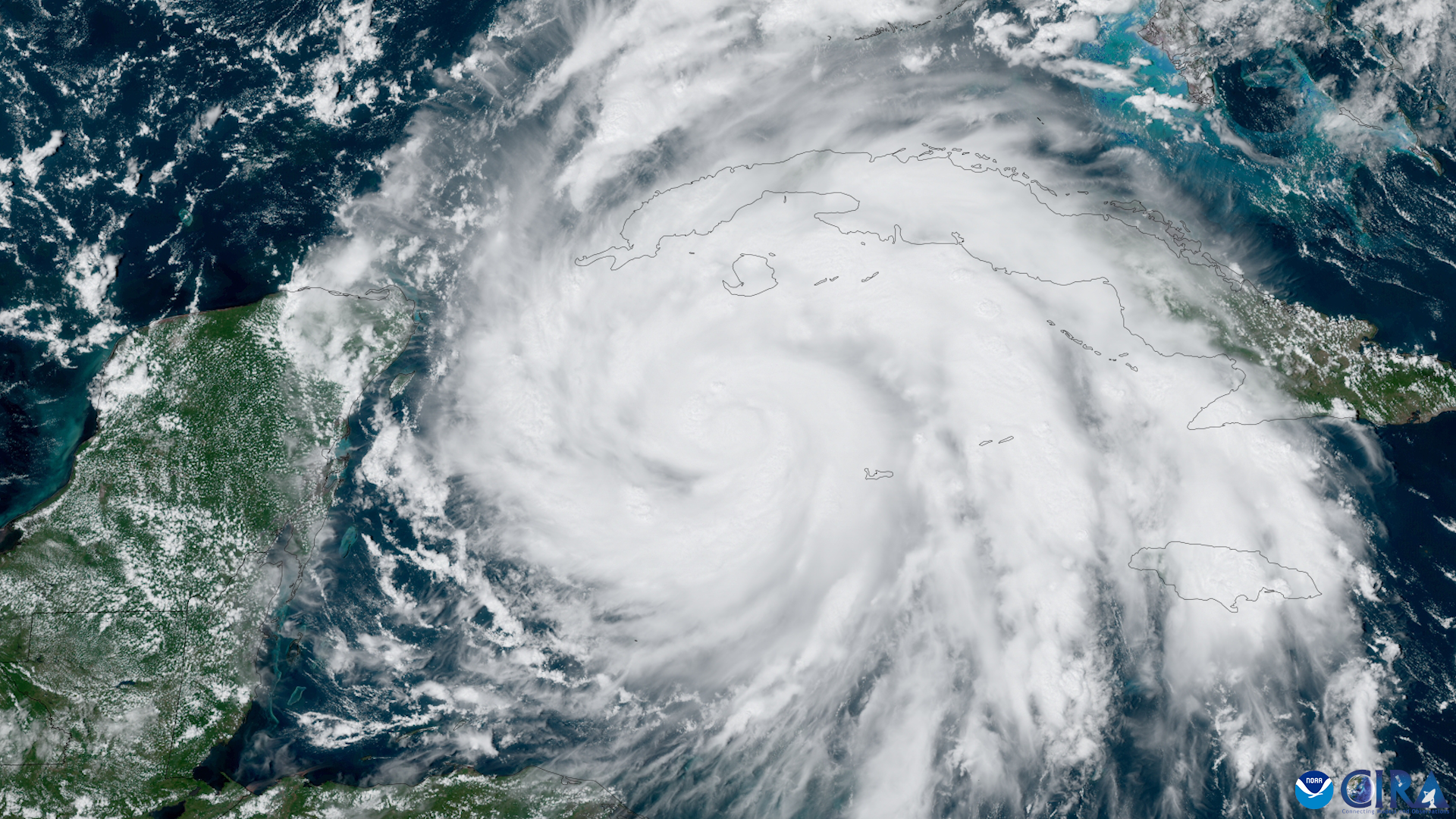
COCKBURN TOWN, Turks and Caicos Islands. Small island developing states, including those in the Caribbean, live on the front line of weather, water and the climate emergency, the president of the World Meteorological Organization (WMO), Dr Abdulla Al Mandous, has said.
Al Mandous was addressing the 70th session of the Caribbean Meteorological Council, which ends on Friday. He is the first WMO president to take part in a session of the regional council.
He said he had recently been in Tonga, where similar concerns had been raised, and that whether in the Caribbean or the Pacific, people "are speaking with one voice, and the WMO is listening".
A model for collective action
Al Mandous described the Caribbean Meteorological Organization (CMO) as a strong example to the whole WMO of the importance of collective action. He said its regional ministerial mechanism gives scientists a direct voice at the ministerial table, turning technical priorities into political commitment.
"In short, empowered national meteorological and hydrological services deliver positive impact and greater national resilience," he said.
He acknowledged support from an early warning initiative being implemented by the WMO and the UN Office for Disaster Risk Reduction, and commended a systematic observations financing facility that is supporting 16 countries in the region alongside the UN Development Programme, the World Food Programme and the Inter-American Development Bank.
He also recognised the Green Climate Fund and the Caribbean Development Bank for approving a US$24 million project to scale up Caribbean hydrometeorological and multi-hazard early warning services.
"Let us build on this partnership to invest in resilient multi-hazard early warning system that serves all," he said.
Reform ahead
Looking ahead to the 20th World Meteorological Congress in 2027, Al Mandous encouraged CMO members to make their priorities known through regional forums and their representation on the WMO Executive Council. He said a UN Joint Inspection Unit blueprint for reform offered a chance to adopt a more modern, agile and accountable structure.
He said the CMO's 75th anniversary year "marks not just a historic milestone but a vital launchpad for your collective resilience".
CMO coordinating director Dr Arlene Laing said the Caribbean faces many weather, climate and water-related hazards, which is why strong meteorological services are vital for public safety and economic development.
The two-day meeting was also attended by representatives of the Caribbean Disaster and Emergency Management Agency, the University of the West Indies, the International Civil Aviation Organization and the UN Office for Disaster Risk Reduction.
 Oil wealth raises Guyana's importance but not its influence, Phillips tells new defence institute
 Guyana standards bureau destroys more than 22,000 cigarette packets and electrical items
 Jamaican Michelle Gyles-McDonnough appointed to lead UN Development Coordination Office
 ULP petitioners ask court to unseat St Vincent prime minister Friday over Canadian citizenship