
e-ID system handed over, but government gives no cost, rollout date or card timetable
Officials marked the end of phase one of the Digital Identity Authentication System on Wednesday. Distribution of the chip-based cards to citizens has not yet begun.
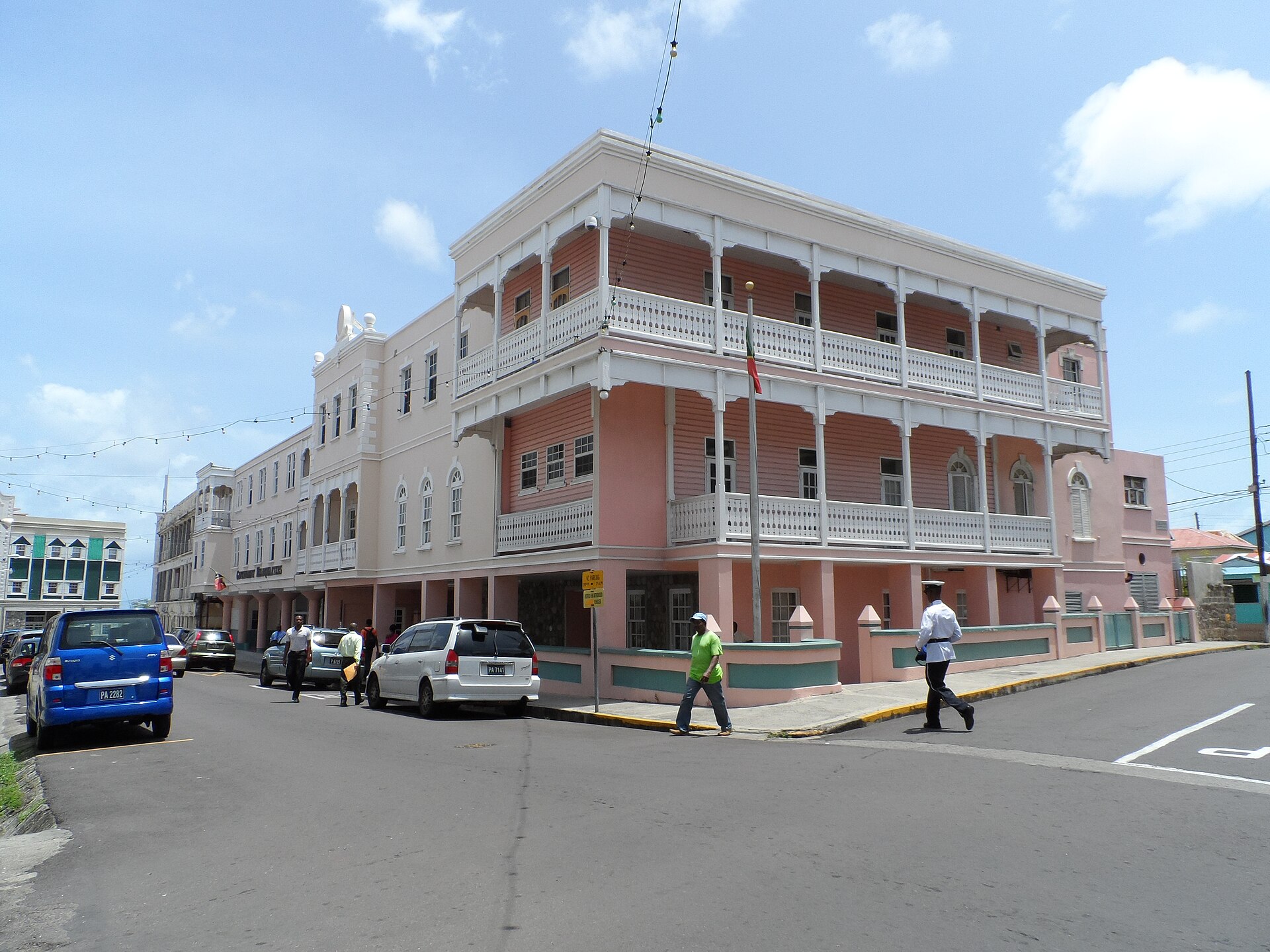
BASSETERRE, St Kitts. The government has completed the first phase of its Digital Identity Authentication System, known as e-ID, but has not said what the project cost, who paid for it or when citizens will receive their cards.
Phase one, which covered development and deployment of the system, was formally handed over at a ceremony at the St Kitts Marriott Resort on Wednesday 25 November, according to the St Kitts and Nevis Information Service.
The system is built around an identity card with a secure electronic chip, backed by data storage, specialised software and a link to official records of births, deaths and marriages. Nigel Carty, the Chief Digital Transformation Officer, said the current way of proving who people are was not as secure or convenient as it needed to be.
Phase two
The next stage will set up an e-ID card distribution office within the Ministry of National Security and begin handing cards to citizens. The government plans to link the system to passport and birth certificate applications, social services and payment of taxes and government fees, and expects private businesses to use it too.
No timetable was given for any of this. The government's statements credit only unnamed international development partners, and do not say whether holding the card will be compulsory.
Data protection
ICT Minister Konris Maynard said privacy, cybersecurity and data protection must remain central to the rollout, and that the use of citizens' data should be governed by appropriate legislation.
"Our citizens must have confidence that their personal information is protected," Mr Maynard said.
He did not name the laws, safeguards or oversight body that would govern the system. The minister said success would not be judged by the number of servers installed or cards distributed.
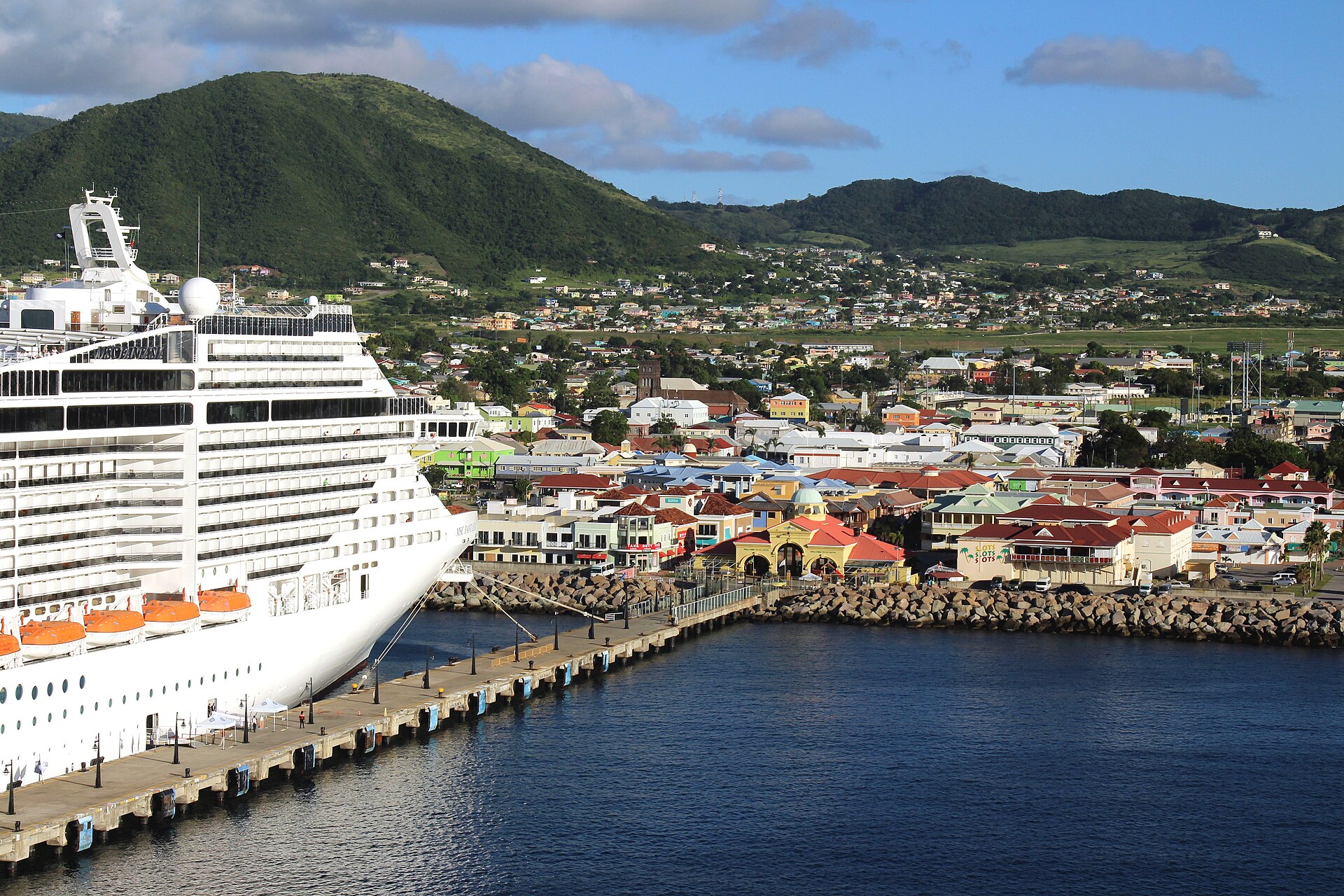 Three cruise ships call at Port Zante in a day as new terminal for P&O homeporting takes shapeSt Kitts and Nevis climbs to third in Caribbean on UN e-government index, but online services still lag
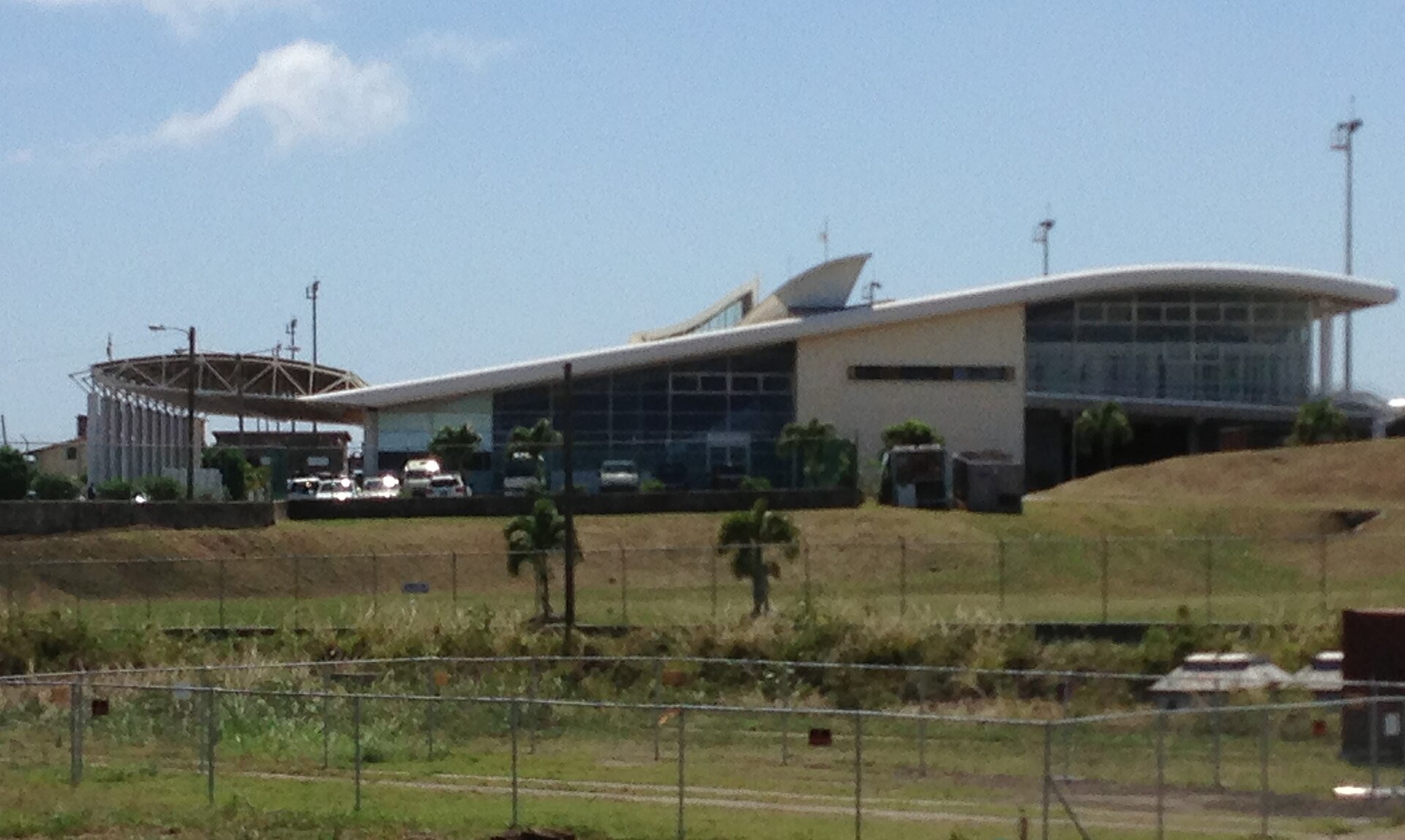 Anguilla Air Services launches direct St Kitts to St Barths route
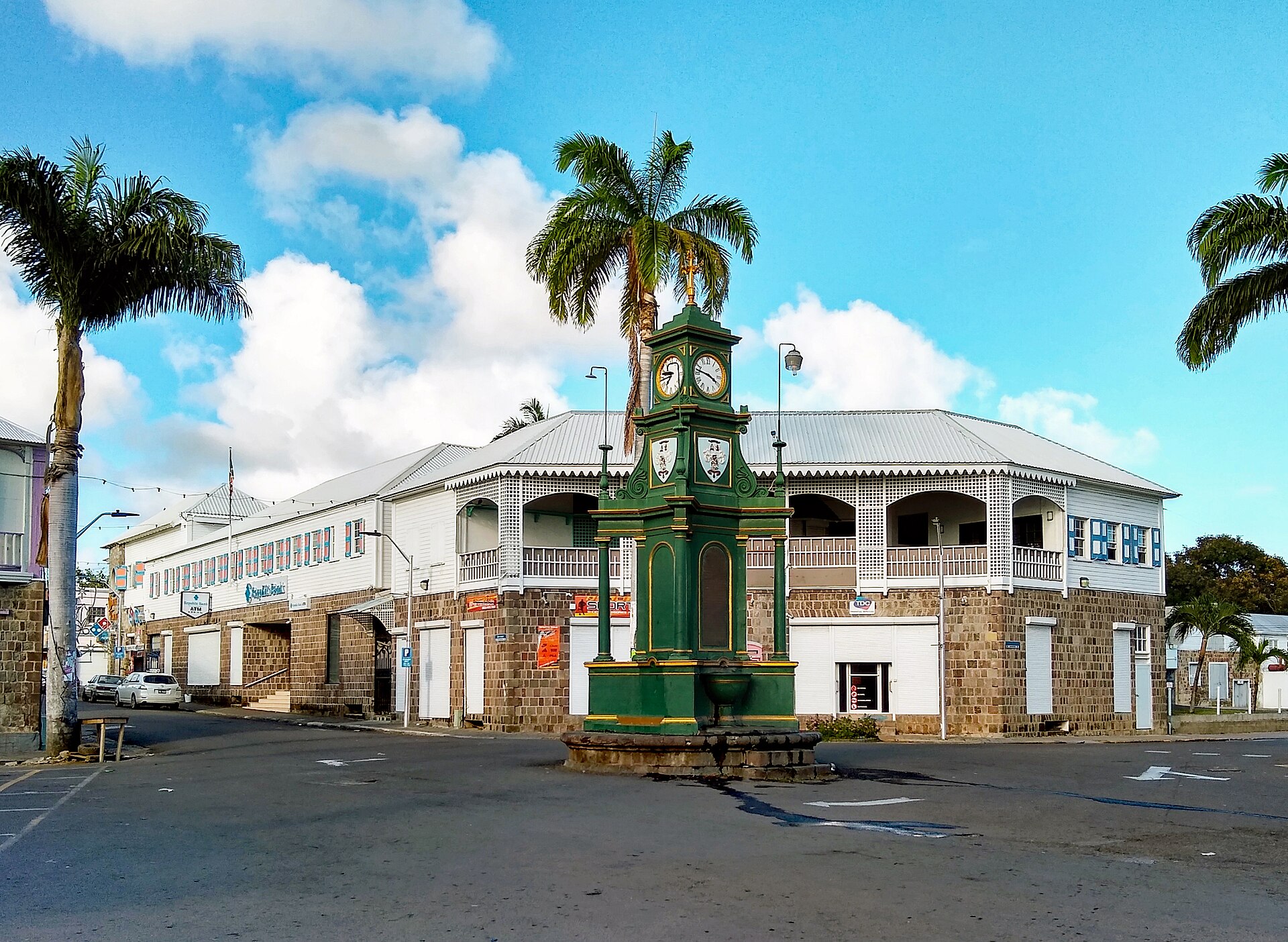 Berkeley Memorial repairs will not start until April 2027, despite money set aside in 2025