
Citizenship by investment to end on 1 January 2030, short of the five years Brantley demanded
The federal government says it has agreed a wind-down date with the European Union, with new applications closing on 31 January 2029. Neither of its statements said how the lost revenue will be replaced.
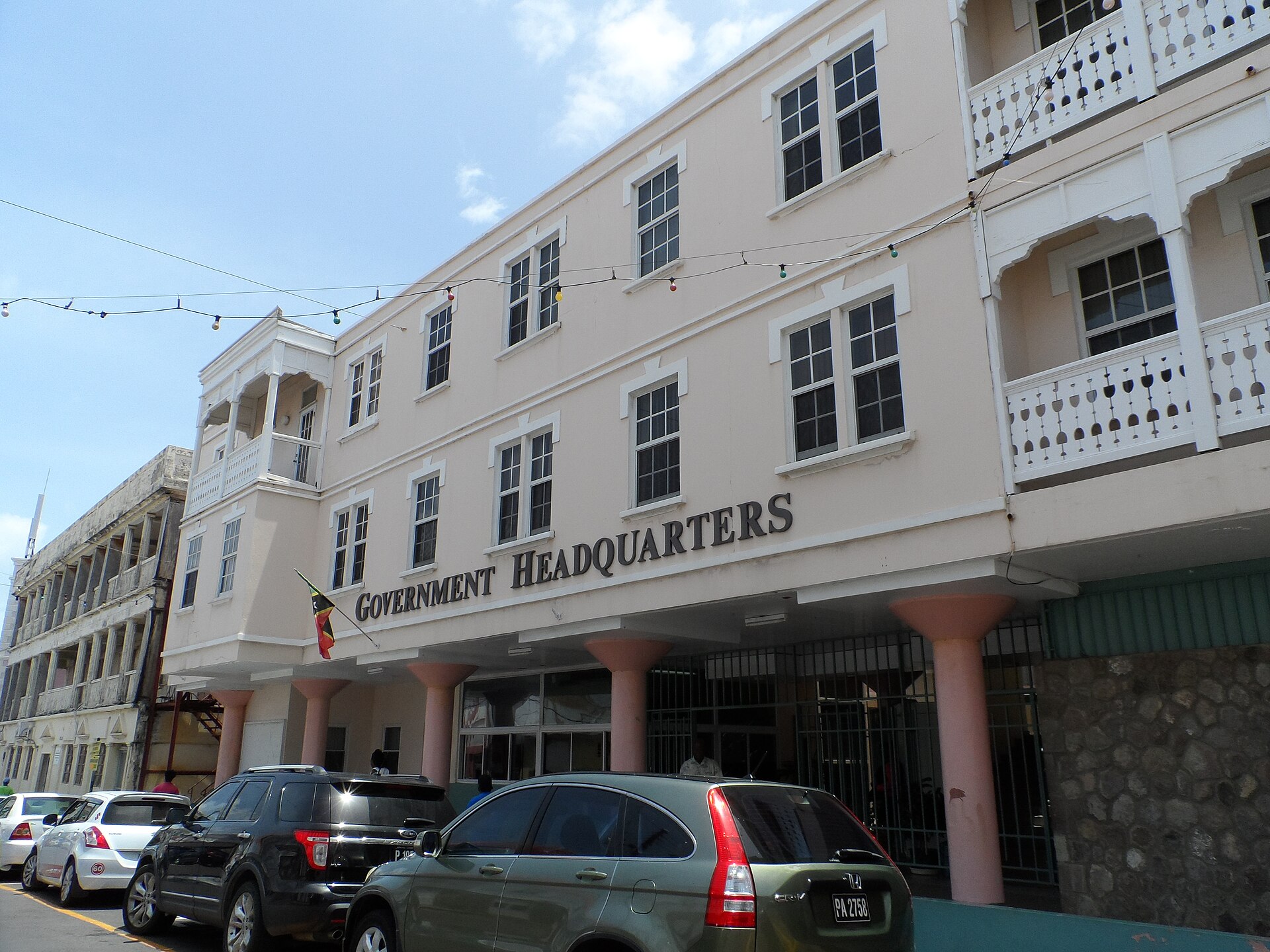
BASSETERRE, St Kitts. St Kitts and Nevis will close its Citizenship by Investment (CBI) Programme on 1 January 2030 under an agreement with the European Union, the Prime Minister's Office announced on Thursday.
The CBI Unit will take new applications until 31 January 2029. Files lodged before 1 February 2029 can be processed until 31 December 2029, when all processing must end. The government said pricing, investment thresholds and due diligence standards would not be lowered in the meantime, and that the Eastern Caribbean Citizenship by Investment Regulatory Authority would monitor compliance.
The date gives the Federation just over three years. The European Commission had earlier proposed 1 June 2028, while Antigua and Barbuda's citizenship unit has asked for a transition running to the end of 2030.
"The European Union does not give time to a country it does not trust," Dr Drew said.
What is missing
The government says the deal protects visa-free travel to Europe and correspondent banking links in the United States, Canada and Europe. But neither statement released on Thursday put a figure on the revenue the programme brings in, or set out how the budget will cope once it closes. The government said only that it would finish CBI-funded projects already in the pipeline and speed up diversification under its Sustainable Island State Agenda. In his national address on 13 November, Dr Drew pledged that the transition would not bring tax increases.
The Commission has said it will keep working with the Federation on diversification. Preliminary talks have begun on geothermal energy, digital connectivity and other projects under the EU's Global Gateway strategy, though no sums have been announced.
Opposition objections
Before the date was announced, Nevis Premier and federal Opposition Leader Mark Brantley said he did not support winding the programme down. In a keynote in Grenada on 19 November he urged OECS states to negotiate together for a transition of at least five years, backed by meaningful European investment in renewable energy, skills and connectivity.
IMF staff have estimated that programme-related inflows may have equalled about a fifth of the Eastern Caribbean Currency Union's GDP in 2023, a figure that includes private investment as well as government receipts.
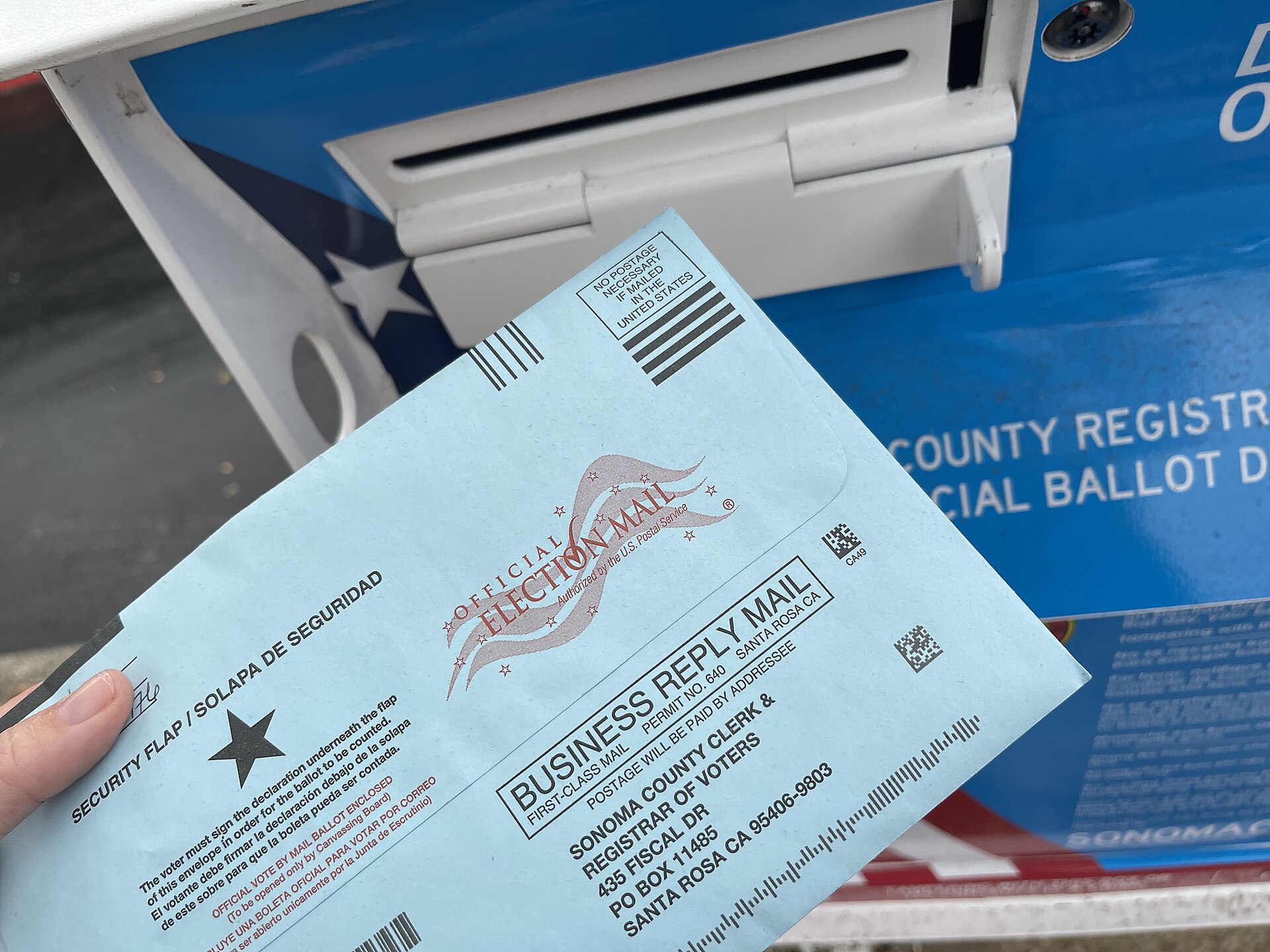 Dominica elections chief rejects voter register concerns as opposition cites 1,006 stalled applications
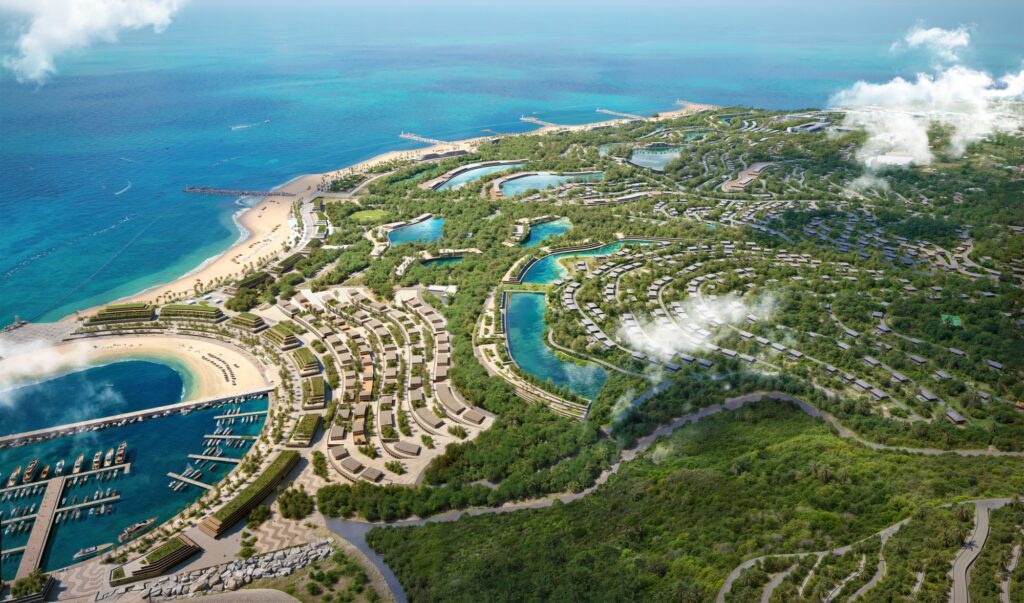 Destiny Deal Agreed: What Nevis Gets and What It Gives Up
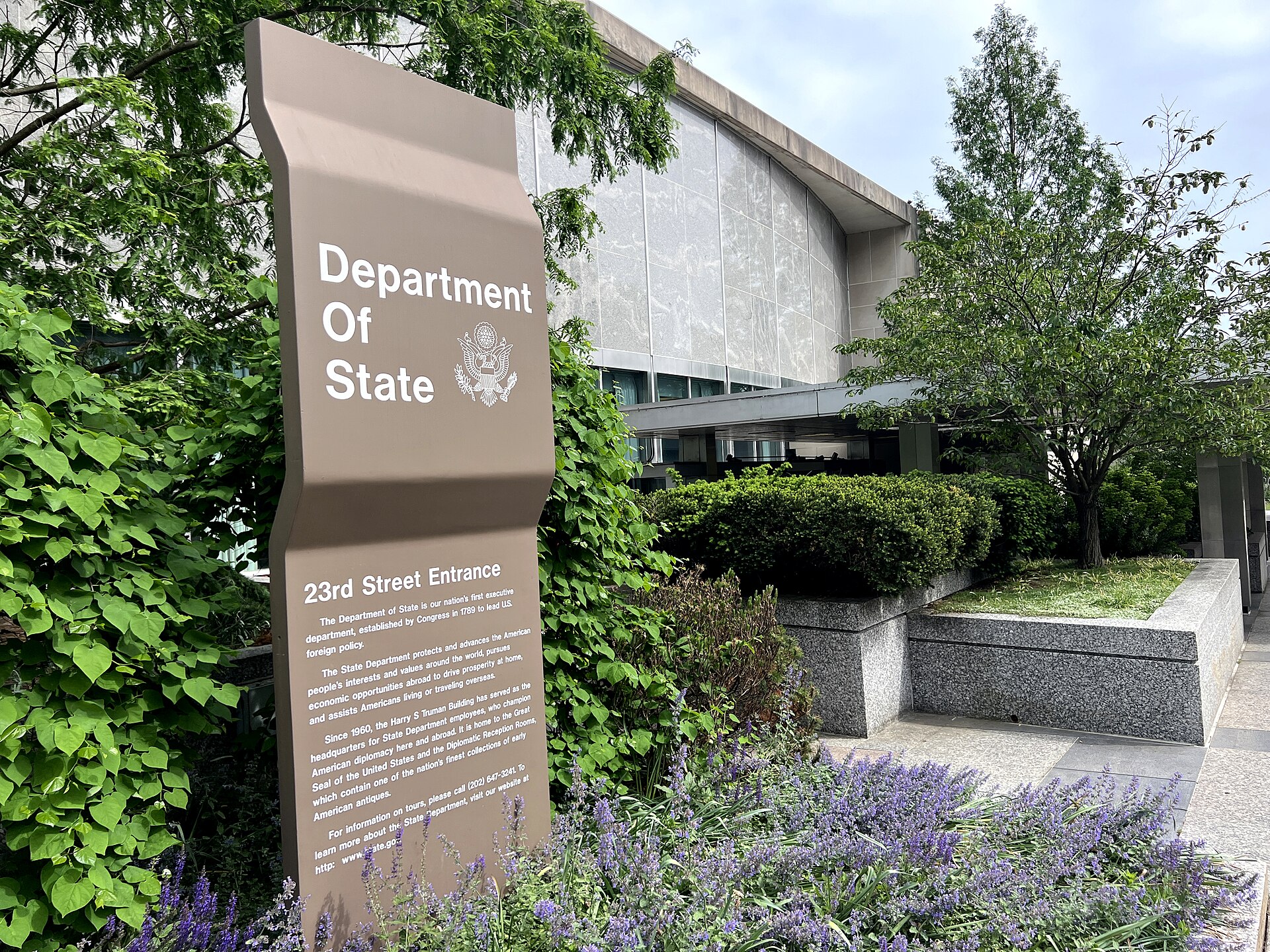 US calls Caribbean its neighbourhood as senior envoy pledges help for Jamaica against transnational gangs
 Brantley rules out new Nevis taxes for 2027 but residents will not get full fuel surcharge waiver