
Health officials urge safe water storage as drought and hurricane season overlap
The Ministry of Health says stored water and storm debris raise the risk of dengue, and has told schools and employers to provide water, shade and rest breaks in the heat.
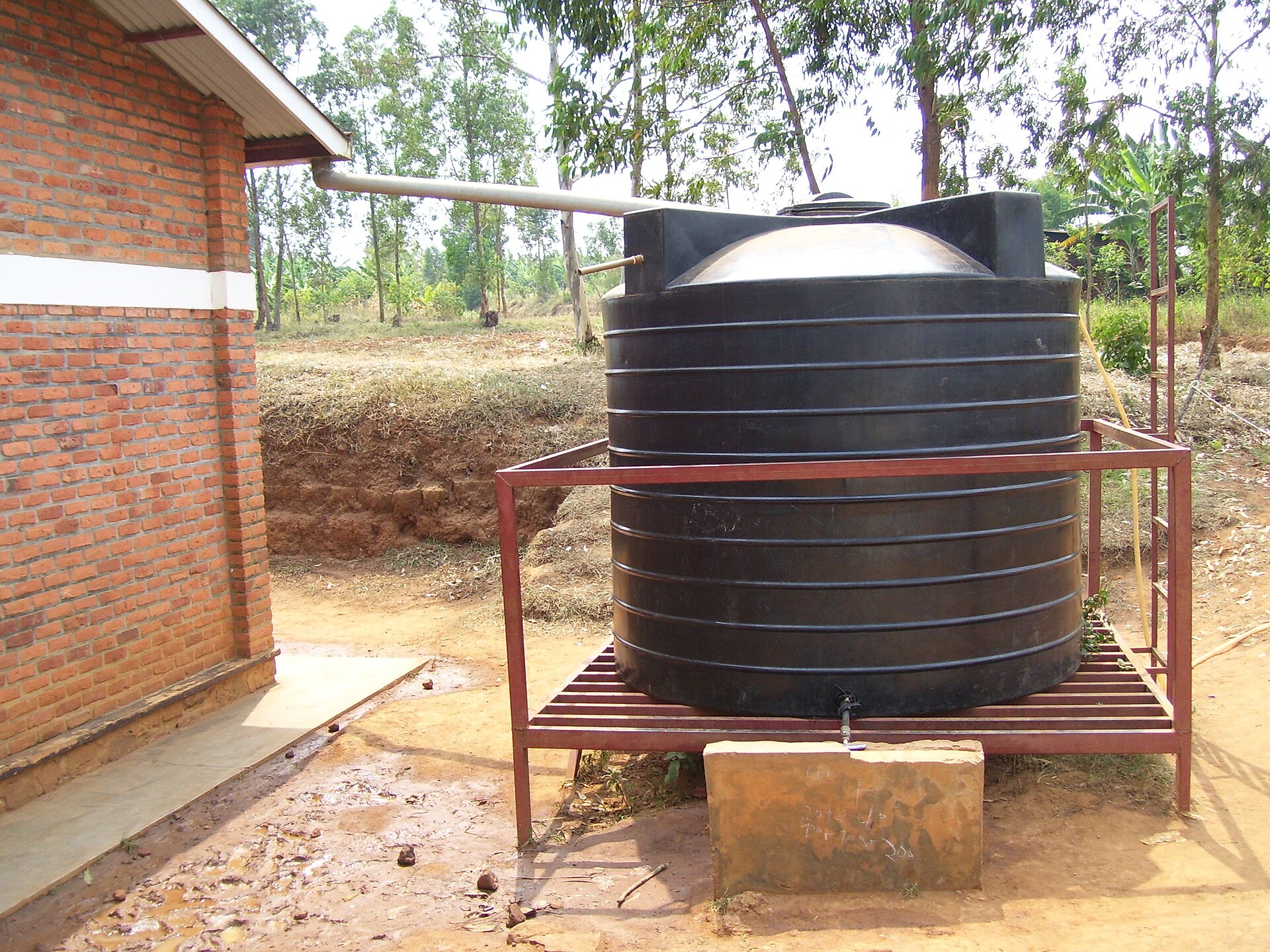
BASSETERRE, St Kitts. The Ministry of Health has set out how households should protect themselves as drought conditions run into the final weeks of the hurricane season, warning that the two together raise the risk of waterborne illness and mosquito-borne disease.
Glenville Leader, the acting chief environmental health officer, gave the guidance on Tuesday during the National Emergency Management Agency (NEMA) broadcast, From Danger to Safety.
"Water scarcity can progressively affect hygiene, sanitation, food safety and disease prevention," Mr Leader said.
He said the ministry was monitoring water quality, sanitation, food safety and waterborne disease, as well as the water supply at health facilities and the needs of vulnerable groups.
Mosquito risk
Mr Leader explained that drought pushes families to store water, while rain then collects in discarded containers, tyres and gutters. Both create breeding sites for mosquitoes and increase the danger of dengue. The ministry's response combines surveillance, removing breeding sites, community action and rapid response, he said.
For household supplies, he advised residents to draw water from a clean source, keep it in a clean, covered container and treat it, for example by boiling, when in doubt about its safety.
Heat warnings
Older people, children and outdoor workers were identified as most at risk from high temperatures. Schools and employers have been asked to provide water, shade and rest breaks. Mr Leader listed dizziness, weakness, heavy sweating, nausea and cramps as signs of heat exhaustion, and described confusion, collapse, seizures or loss of consciousness as signs of heat stroke, which he called a medical emergency.
After any storm, he said, the priorities would be early detection of disease, water quality testing, safe water advisories and mosquito control. "The key principle is early detection and early intervention," he said.
Families are being urged to keep a supply of safe water and essential medicines, know the location of the nearest shelter and health facility, and follow updates from the Ministry of Health and NEMA.
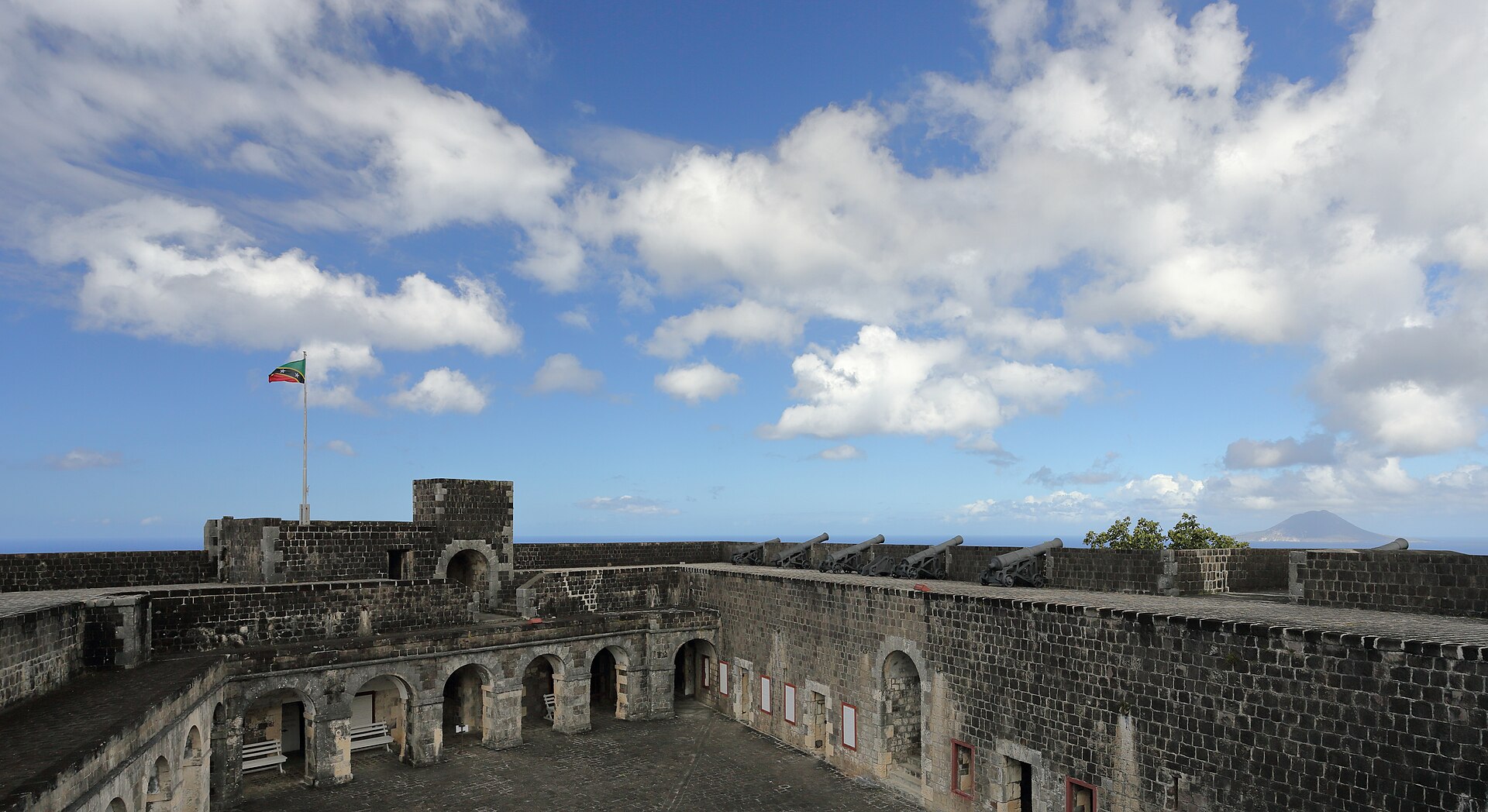 CFBC lecturer Cameron Gill named to UNESCO committee on routes of enslaved peoples
 Health ministry tours all 11 St Kitts health centres but gives no detail on problems found
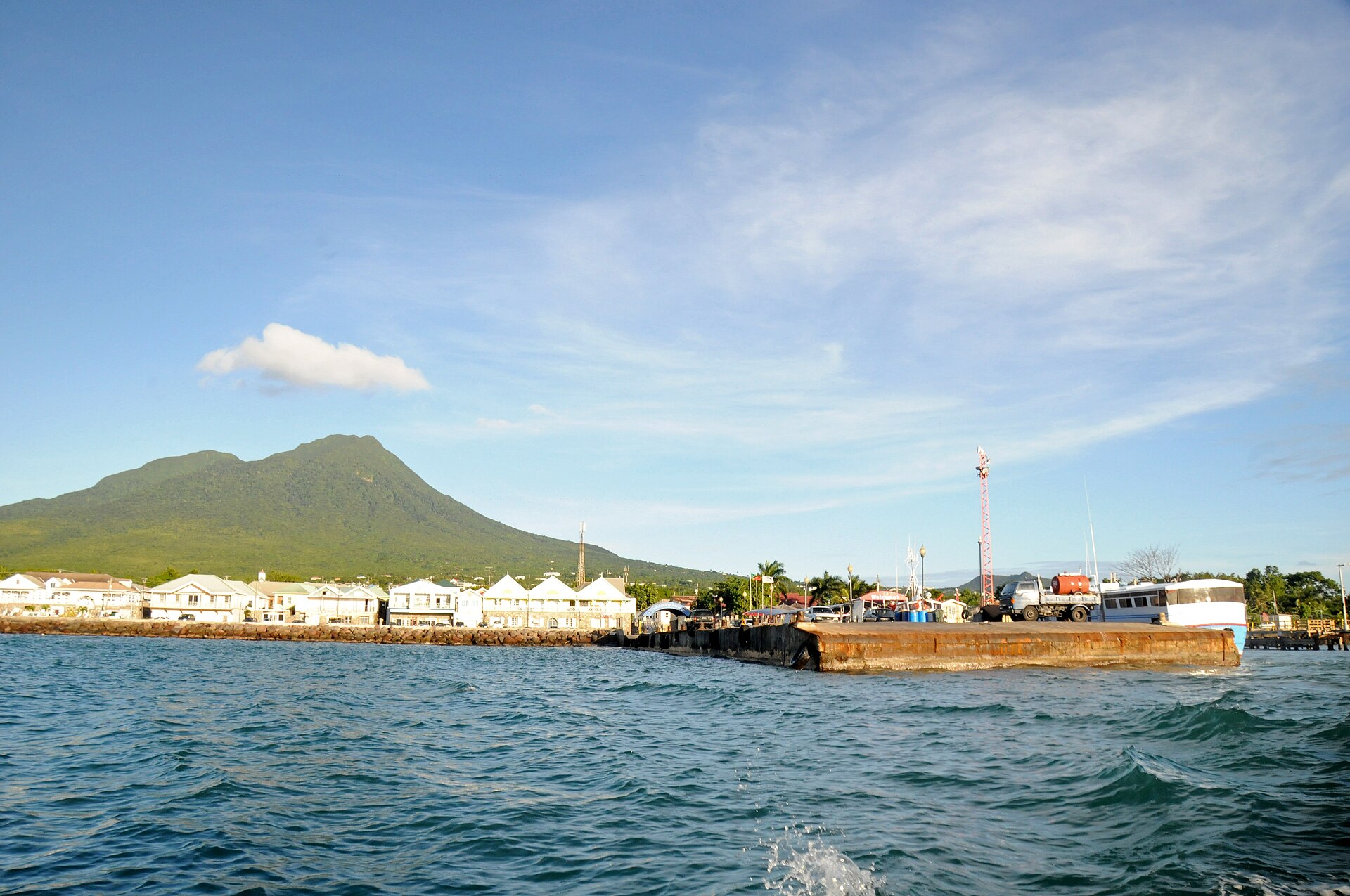 NEVLEC warns of rolling power cuts on Nevis as main generator goes down for overhaul
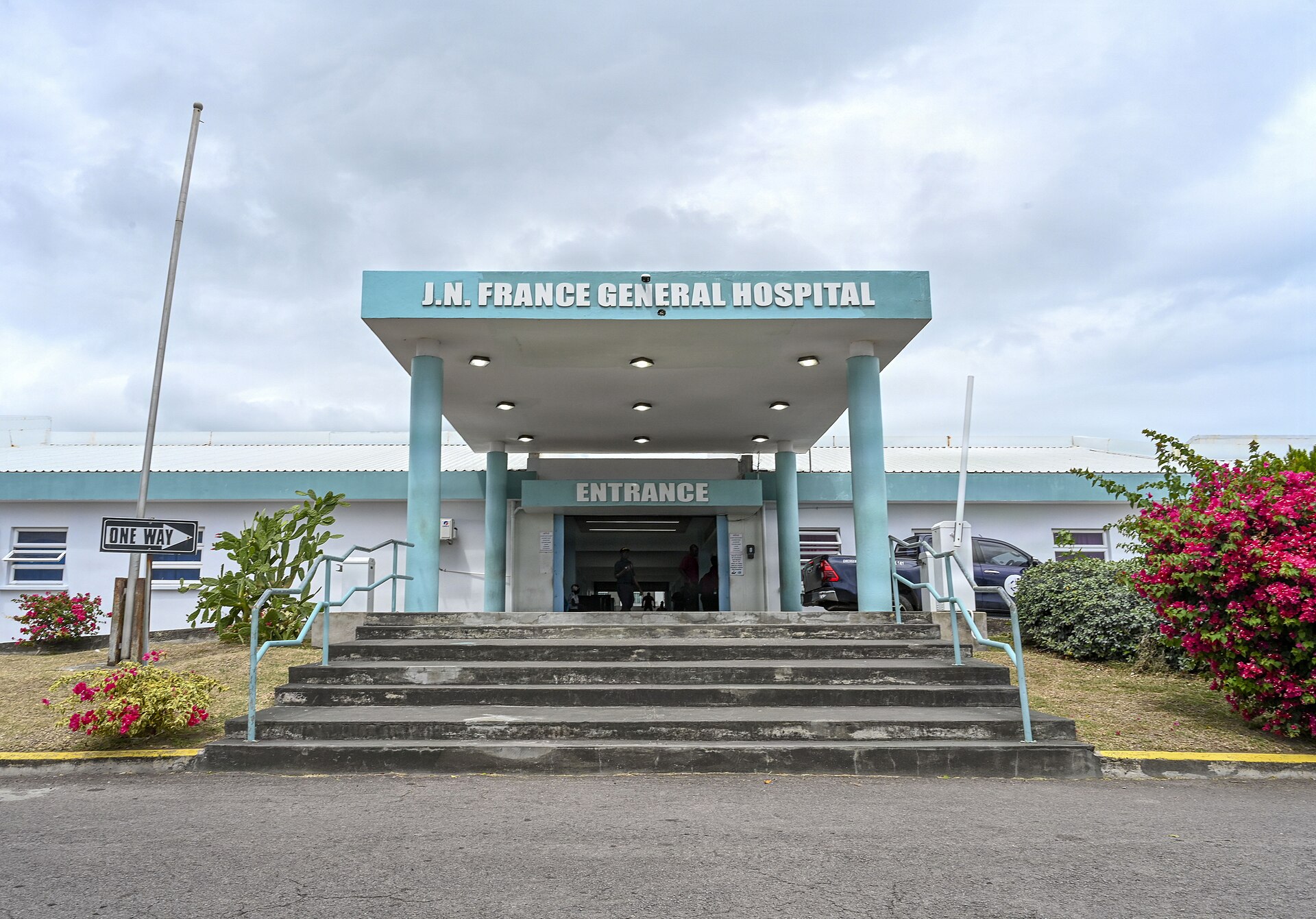 JNF emergency department goes paperless, but cost of digital health system still undisclosed