
Browne asks Green Climate Fund for more support on housing, coasts and airport at COP31
Antigua and Barbuda's prime minister met the fund's executive director, Mafalda Duarte, to press for climate finance for resilient homes, coastal protection, key infrastructure and renewable energy.
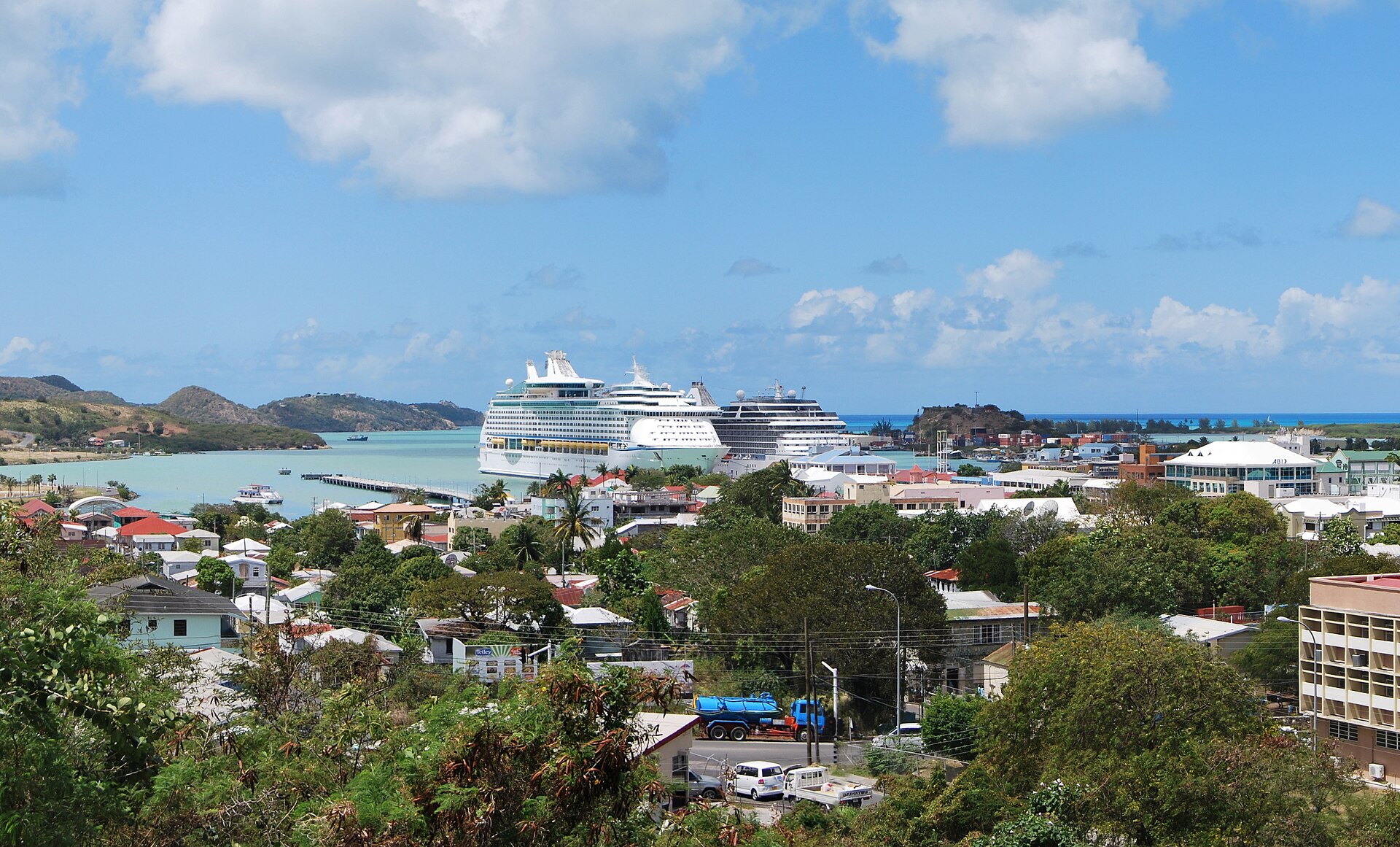
ANTALYA, Türkiye. Antigua and Barbuda's Prime Minister Gaston Browne held talks on Wednesday with Mafalda Duarte, executive director of the Green Climate Fund (GCF), seeking more climate finance for his country's priorities in adaptation, renewable energy and resilience.
The meeting took place on the sidelines of the COP31 UN climate conference in Antalya, according to a statement issued afterwards by the Antigua and Barbuda government.
Housing and coasts
The statement said climate-resilient housing featured prominently, with Mr Browne stressing the urgent need for financial help to provide safer homes for vulnerable families and communities. He said such investment was essential to protect lives, cut disaster losses and safeguard the livelihoods of those most exposed to hurricanes and extreme weather.
He also identified coastal erosion and shoreline degradation as pressing concerns, seeking GCF support for coastal protection, shoreline restoration and other adaptation projects to protect coastal communities and tourism assets against rising seas and storm surges.
Airport, seaport and energy
Mr Browne highlighted the resilience of critical infrastructure, particularly the international airport and seaport, which he said were strategically important to the tourism-dependent economy, trade and connectivity.
"Discussions also examined opportunities for expanding investments in renewable energy as Antigua and Barbuda accelerates its transition away from fossil fuels," the statement said. It added that the prime minister stressed the need for affordable finance and technical expertise to reduce dependence on imported petroleum.
According to the statement, both sides explored a coordinated programme of climate-related investments that could open greater access to GCF resources.
Mr Browne said the growing risk of global temperatures exceeding 1.5C posed an existential challenge for small island developing states. He argued that countries such as Antigua and Barbuda, which contribute negligibly to global emissions, should not bear a disproportionate financial burden for a crisis they did little to cause.
He also called for international climate finance to be more responsive to small island economies, including simpler access procedures, affordable financing and sustained support for national priorities.
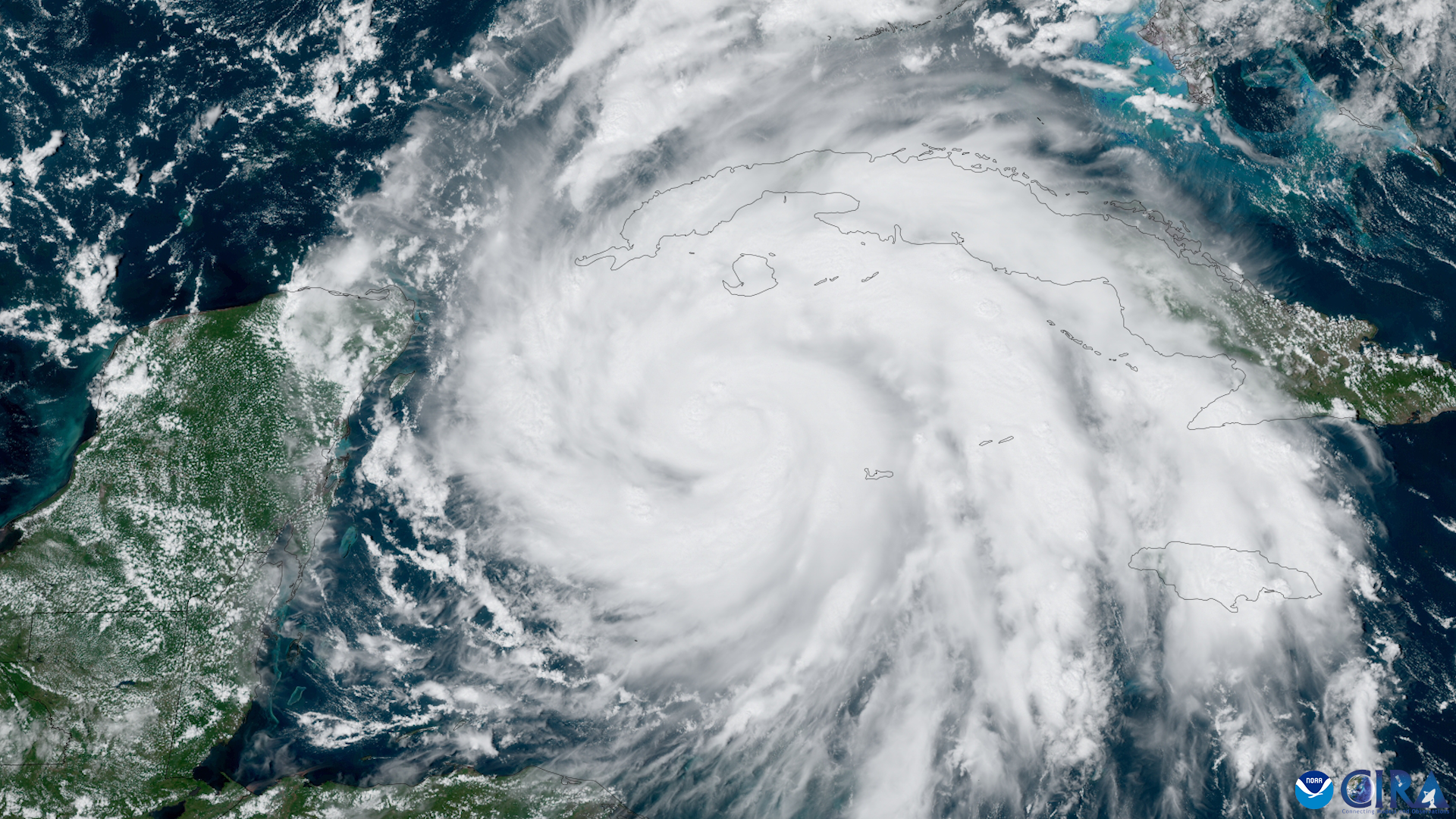 WMO president tells Caribbean weather chiefs small islands are on the climate front line
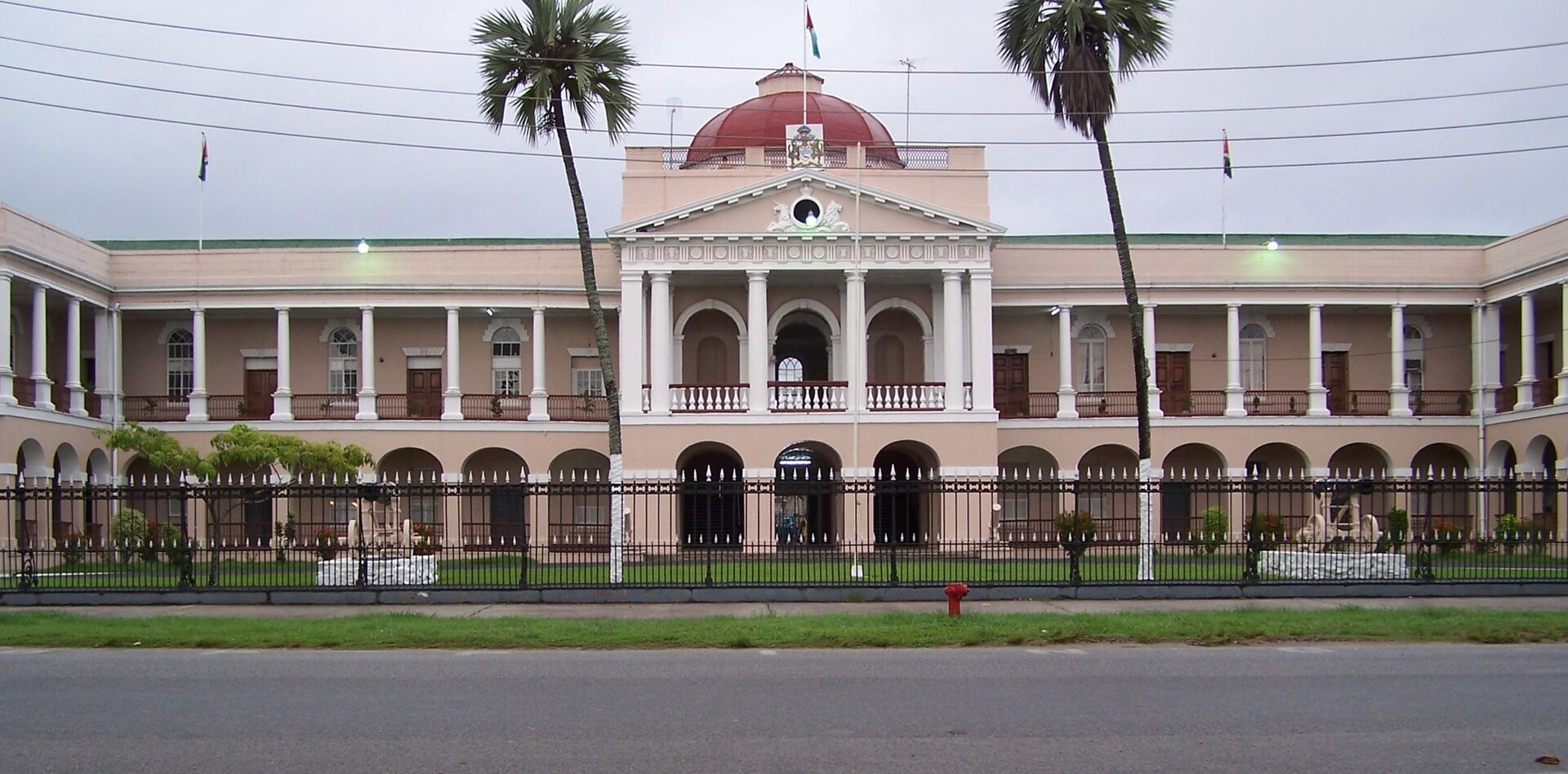 Oil wealth raises Guyana's importance but not its influence, Phillips tells new defence institute
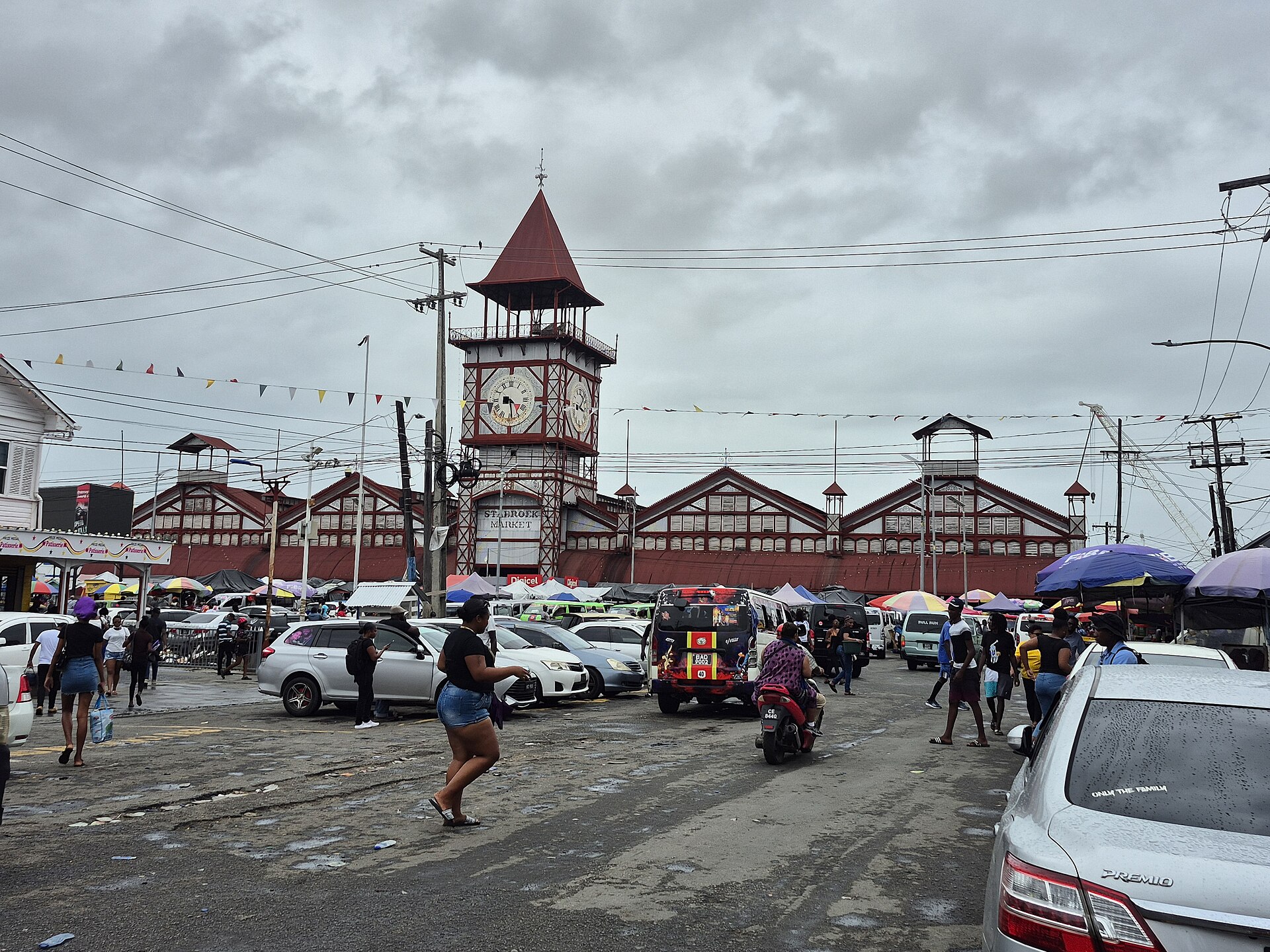 Guyana standards bureau destroys more than 22,000 cigarette packets and electrical items
 Jamaican Michelle Gyles-McDonnough appointed to lead UN Development Coordination Office