
Haiti signs 12-month reform compact with World Bank and international partners
The agreement sets 14 commitments on security, governance, the economy and jobs, with further World Bank financing tied to progress.
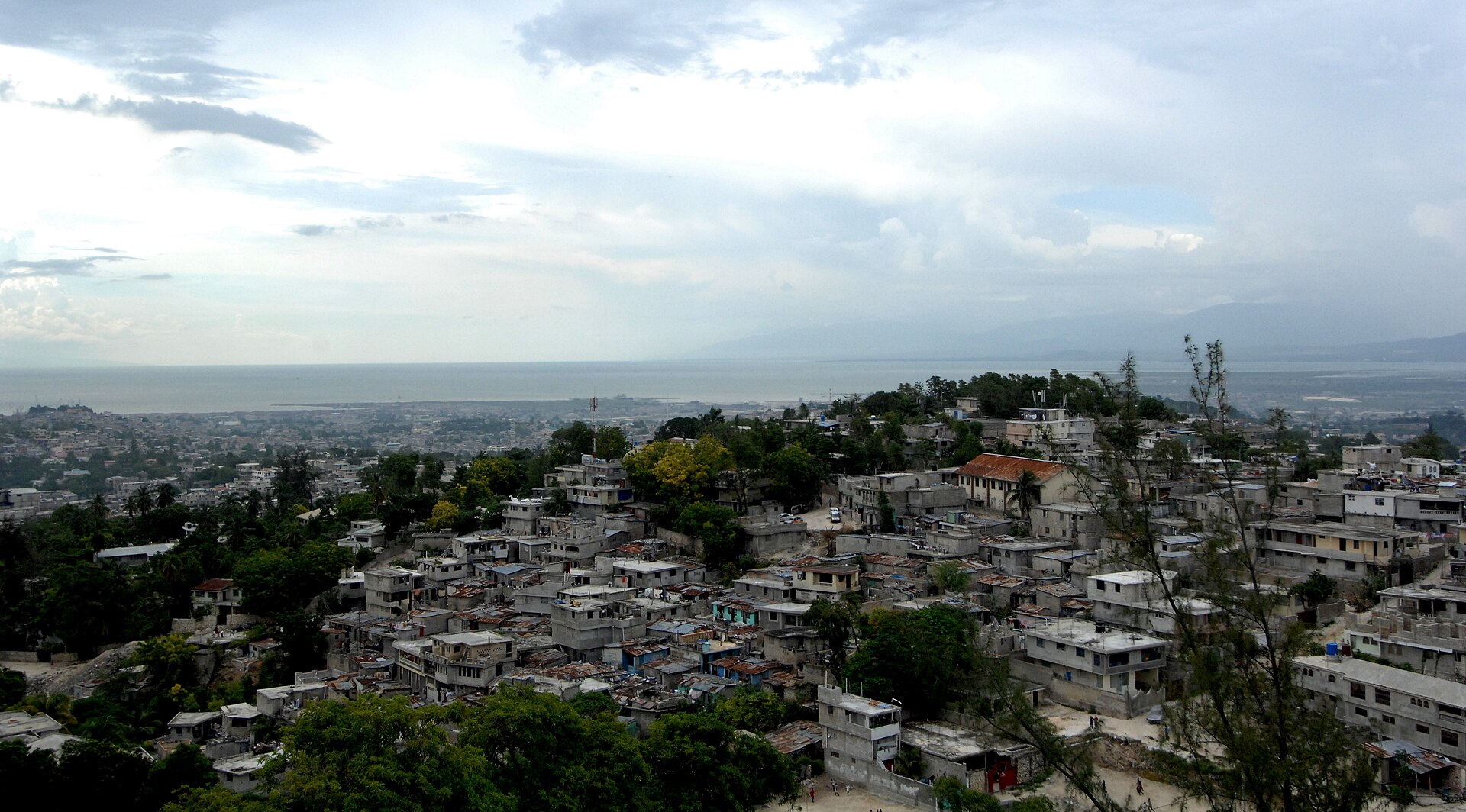
PORT-AU-PRINCE, Haiti. The government of Haiti and its international partners have brought into effect a Compact for Prevention and Recovery, a mutual accountability framework aimed at advancing priority reforms, rebuilding public trust in government and tackling the causes of fragility and violence.
The compact is grounded in the World Bank Group's new strategy for countries affected by fragility, conflict and violence. It sets time-bound and verifiable reform commitments in four areas: rule of law, justice and security; governance and anti-corruption; macroeconomic stability and taxation; and sustainable jobs and investment.
"The Compact for Prevention and Recovery turns the Government's Roadmap into a clear plan for action: fourteen commitments across four priority areas, with measurable targets and firm deadlines," said Serge Gabriel Colin, Haiti's minister of economy and finance.
He said the commitments built on work with partners including the IMF, BINUH, UNODC and the Organization of American States.
Progress reports
The first phase covers 12 months of reforms. Progress will be assessed in two reports, the first after six months. If progress is satisfactory, the World Bank will consider additional financing for Haiti's recovery and develop a commitment framework for a further three years.
The IMF, the OAS and UN agencies will help monitor implementation.
Anne-Lucie Lefebvre, the World Bank Group's country manager for Haiti, said the bank welcomed the government's effort in developing the compact. "These reforms are essential to increase trust and create conditions for lasting recovery," she said.
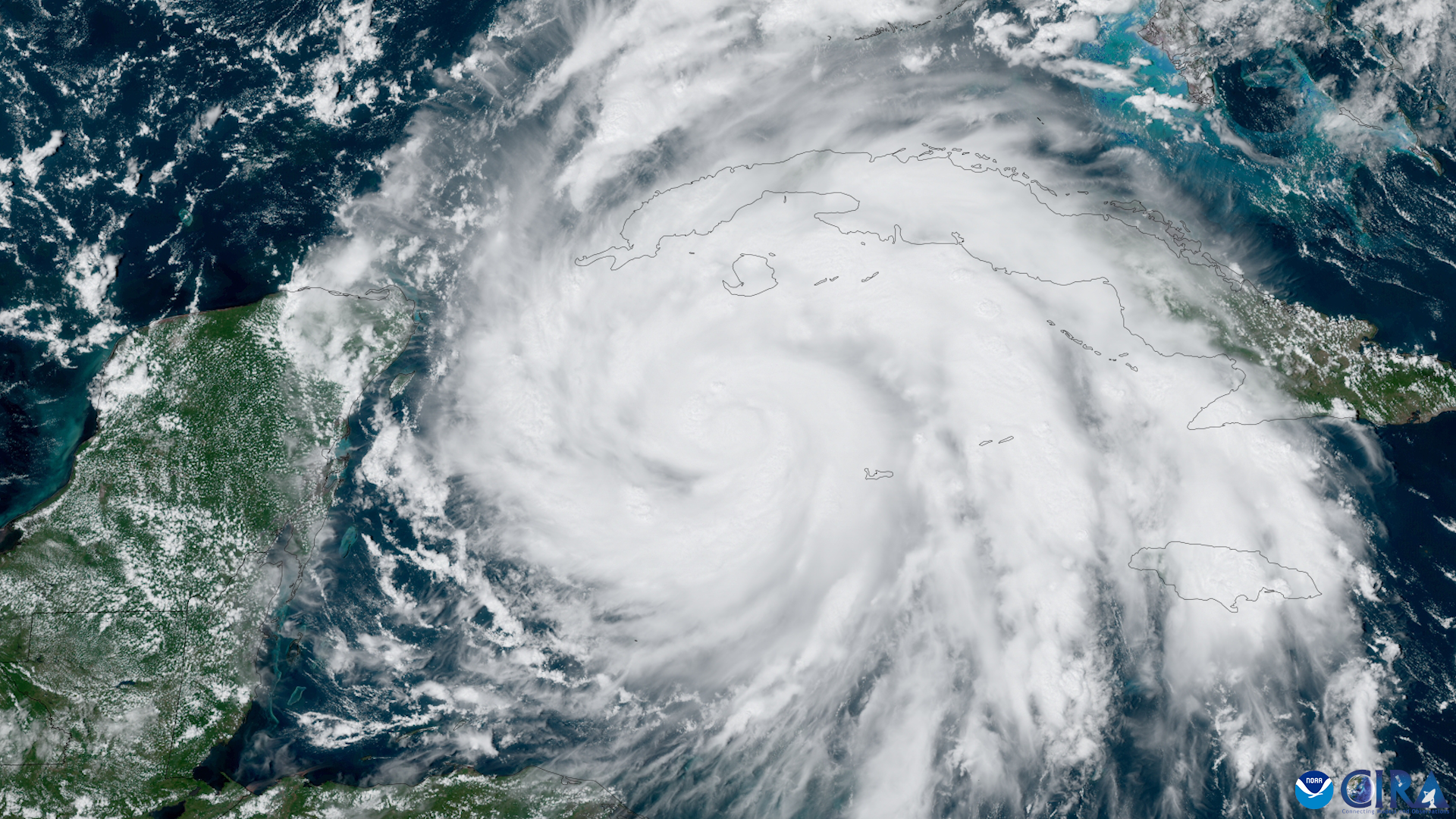 WMO president tells Caribbean weather chiefs small islands are on the climate front line
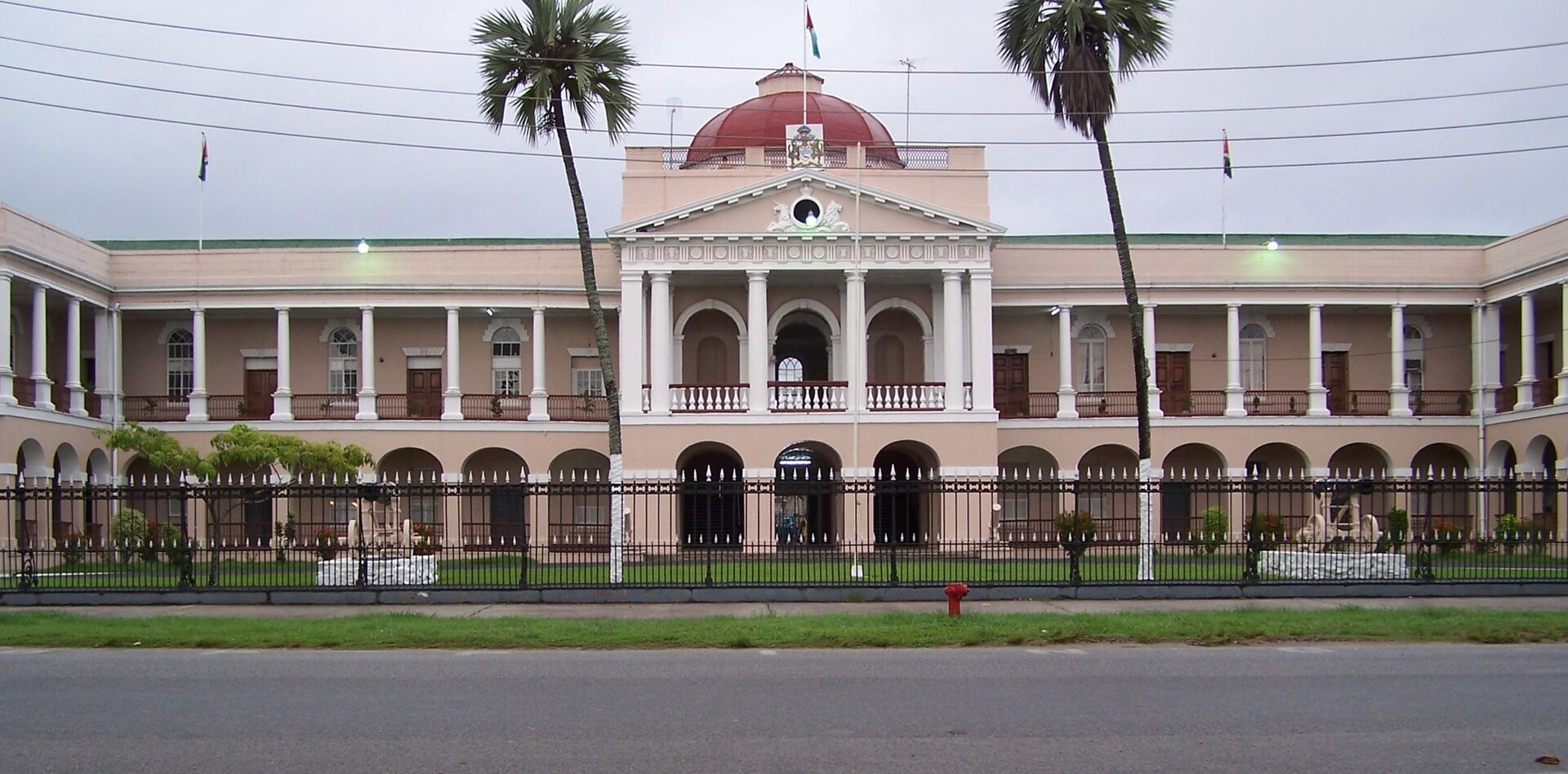 Oil wealth raises Guyana's importance but not its influence, Phillips tells new defence institute
 Guyana standards bureau destroys more than 22,000 cigarette packets and electrical items
 Jamaican Michelle Gyles-McDonnough appointed to lead UN Development Coordination Office