
Jagdeo tells COP31 leaders the world must pay to keep forests standing, citing Guyana's model
Guyana's vice-president set out four proposals at a leaders' event on forests, saying finance is the key to faster progress and criticising slow implementation of airline offset rules in Europe.
ANTALYA, Türkiye. Guyana's Vice-President Bharrat Jagdeo has urged world leaders to pay countries to keep their forests intact, telling the COP31 summit in Türkiye that his country has pushed the idea for nearly 20 years.
Speaking on Wednesday at the COP31 Leaders' Summit Event on Forests, co-hosted by Guyana with Brazil, Norway, the Republic of the Congo and the United Kingdom, Mr Jagdeo recalled that in 2007, when he was head of state, he offered to use almost all of Guyana's rainforest to help fight climate change on condition that the world paid to keep the trees standing.
Guyana's experience
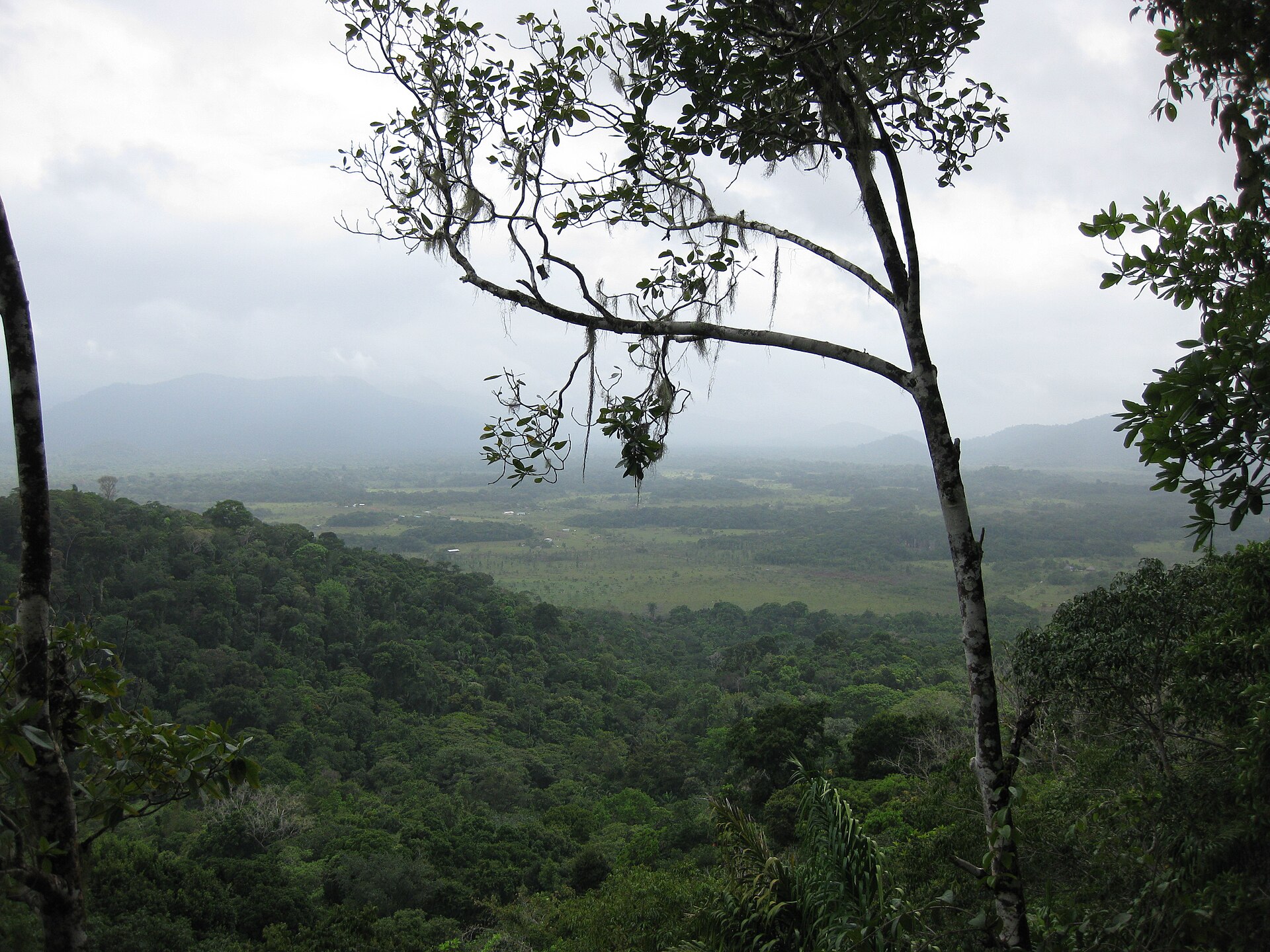
Forests cover 85 per cent of Guyana. The offer led to the country's Low Carbon Development Strategy, with Norway the first major partner, pledging up to US$250 million. In 2022 Guyana became the first country to be issued carbon credits for protecting its forests nationwide.
Hess, the US oil company now owned by Chevron, agreed to buy at least US$750 million of credits over 10 years. Funding expected this year is projected to exceed US$100 million.
Mr Jagdeo said more than 30 airlines now buy Guyana's credits, with one-fifth of the money going to Indigenous villages, which decide how to spend it. He said the 252 villages had carried out more than 3,000 projects over the past four years, and that some funding also pays for flood protection and other climate adaptation work.
He said Guyana's deforestation rate, at around 0.04 per cent, remains one of the lowest in the world. "The key to faster progress is finance," he said.
Four proposals
Mr Jagdeo said presidents and prime ministers should drive forest protection themselves rather than leave it to environment ministries. "You need the leaders to take this up, directly, as President Lula has done," he said.
Second, he said rich countries must keep their promises, arguing that too many governments, "notably in Europe", had been slow to implement the rules of CORSIA, the global scheme that lets airlines offset emissions, even though forest countries had already spent money meeting them.
"We cannot ask forest countries to make long-term commitments while leaving uncertain the international frameworks on which they rely," he said.
Third, he said no country could succeed alone and that governments needed banks, businesses, international bodies and civil society to "stay the course". Finally, he said every route to paying for forests should be supported, pointing to six options in a new Forest Finance Roadmap, including Brazil's Tropical Forest Forever Facility, carbon markets and debt deals.
According to the event's concept note, tropical primary rainforest loss fell by 36 per cent in 2025 compared with 2024, but 4.3 million hectares were still lost last year.
 WMO president tells Caribbean weather chiefs small islands are on the climate front line
 Oil wealth raises Guyana's importance but not its influence, Phillips tells new defence institute
 Guyana standards bureau destroys more than 22,000 cigarette packets and electrical items
 Jamaican Michelle Gyles-McDonnough appointed to lead UN Development Coordination Office