
Privy Council strikes down Trinidad and Tobago laws criminalising sex between men
Five law lords ruled on 10 November that sections of the 1986 Sexual Offences Act making buggery a crime are invalid, in a case brought by activist Jason Jones.
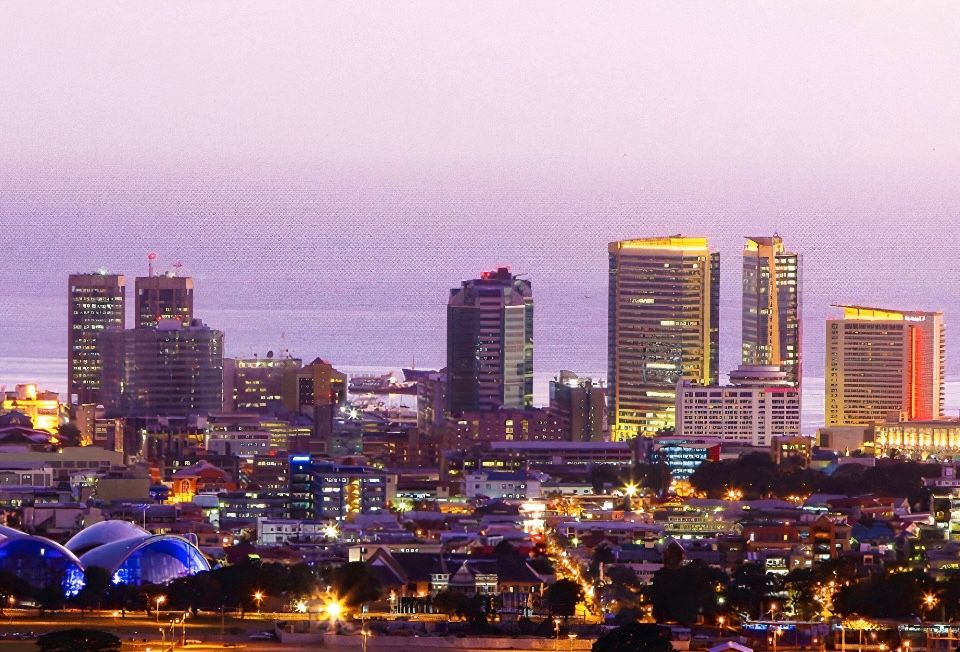
PORT OF SPAIN, Trinidad and Tobago. The Privy Council, Trinidad and Tobago's highest court, has struck down laws that criminalised consensual sex between men, handing the country's LGBTQ community a major victory after years of legal struggle.
Five British law lords declared on 10 November that sections of the Sexual Offences Act which made buggery a crime are no longer valid and should be removed from the statute books.
The case was brought by the rights activist Jason Jones. The dispute centred on a 1986 law that amended parts of colonial-era statutes so that buggery was an offence even where both parties consented. The law also criminalised anal sex between a man and a woman, and those found guilty could have faced up to 25 years in prison.
The court's reasoning
"The ability to form a deep connection with another person through an intimate and loving relationship is a vital interest for all human beings," the court said.
In its judgment, the board found that sections 13 and 16 of the 1986 act went beyond repealing and re-enacting the existing law with modifications and instead amounted to a new law.
"The mere fact that a repressive law has survived from colonial times so as to be 'traditional' in that sense plainly could not furnish a legitimate objective for the purposes of a proportionality analysis under the constitution," the ruling said.
The court added that although members of the public who regard homosexuality as immoral may be shocked, offended or disturbed by private homosexual acts, this could not on its own justify criminal penalties where only consenting adults were involved.
Reaction
Anand Ramlogan, a former attorney general and Mr Jones's lead lawyer, described the decision as a major victory for human rights.
"Every person is entitled to the protection of the constitution, regardless of their sexual orientation."
"Gay rights form part of the wider struggle for human rights," Mr Ramlogan said in a statement. "The judgment recognises tolerance and broad-mindedness as hallmarks of the democratic society established by our constitution."
He said Mr Jones's determination had "secured a decision that affirms the constitutional protection of an intimate and fundamental part of human life".
The ruling is the latest of several decriminalising such acts. Guyana is one of the few countries that has yet to amend its laws.
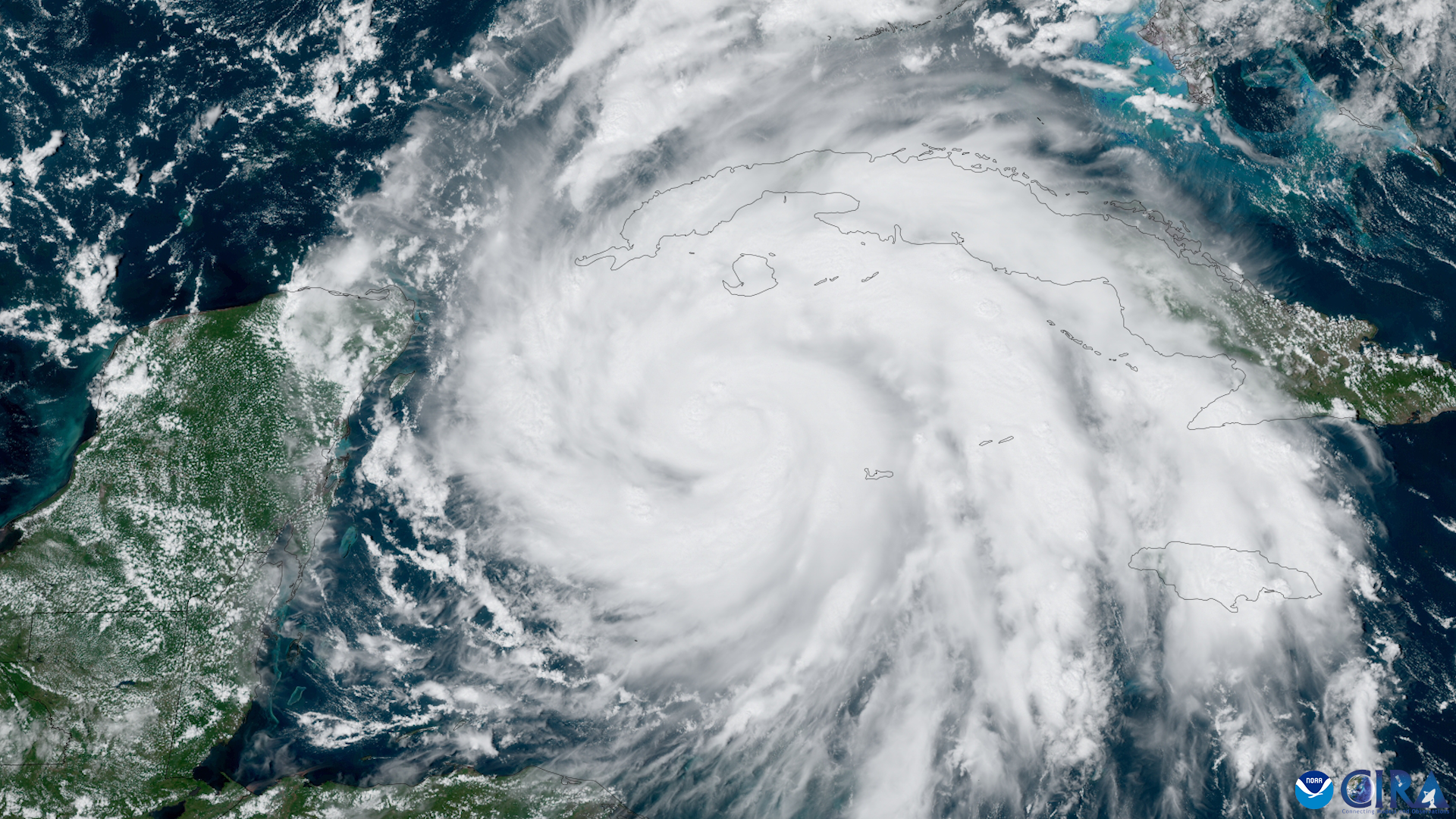 WMO president tells Caribbean weather chiefs small islands are on the climate front line
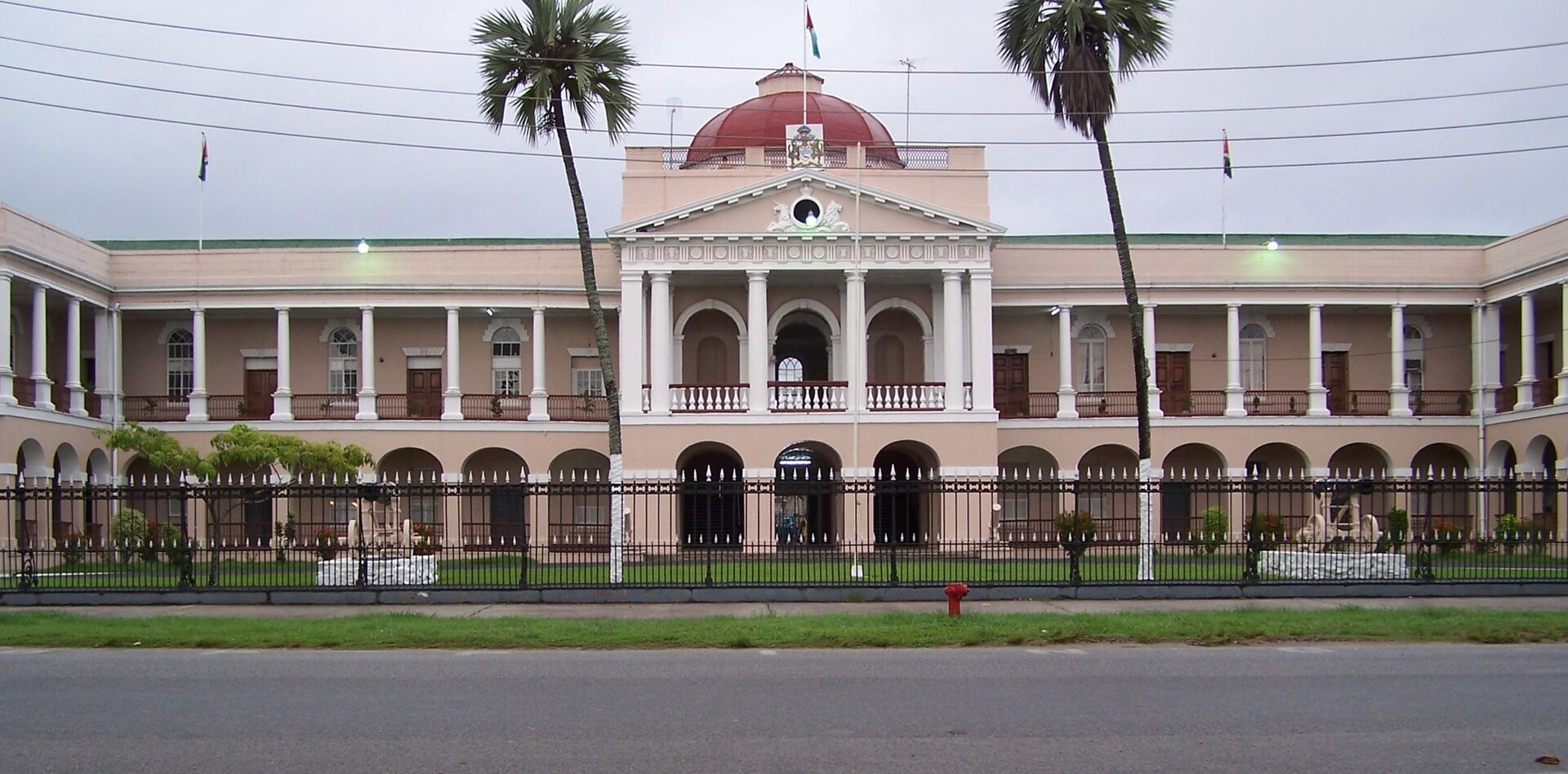 Oil wealth raises Guyana's importance but not its influence, Phillips tells new defence institute
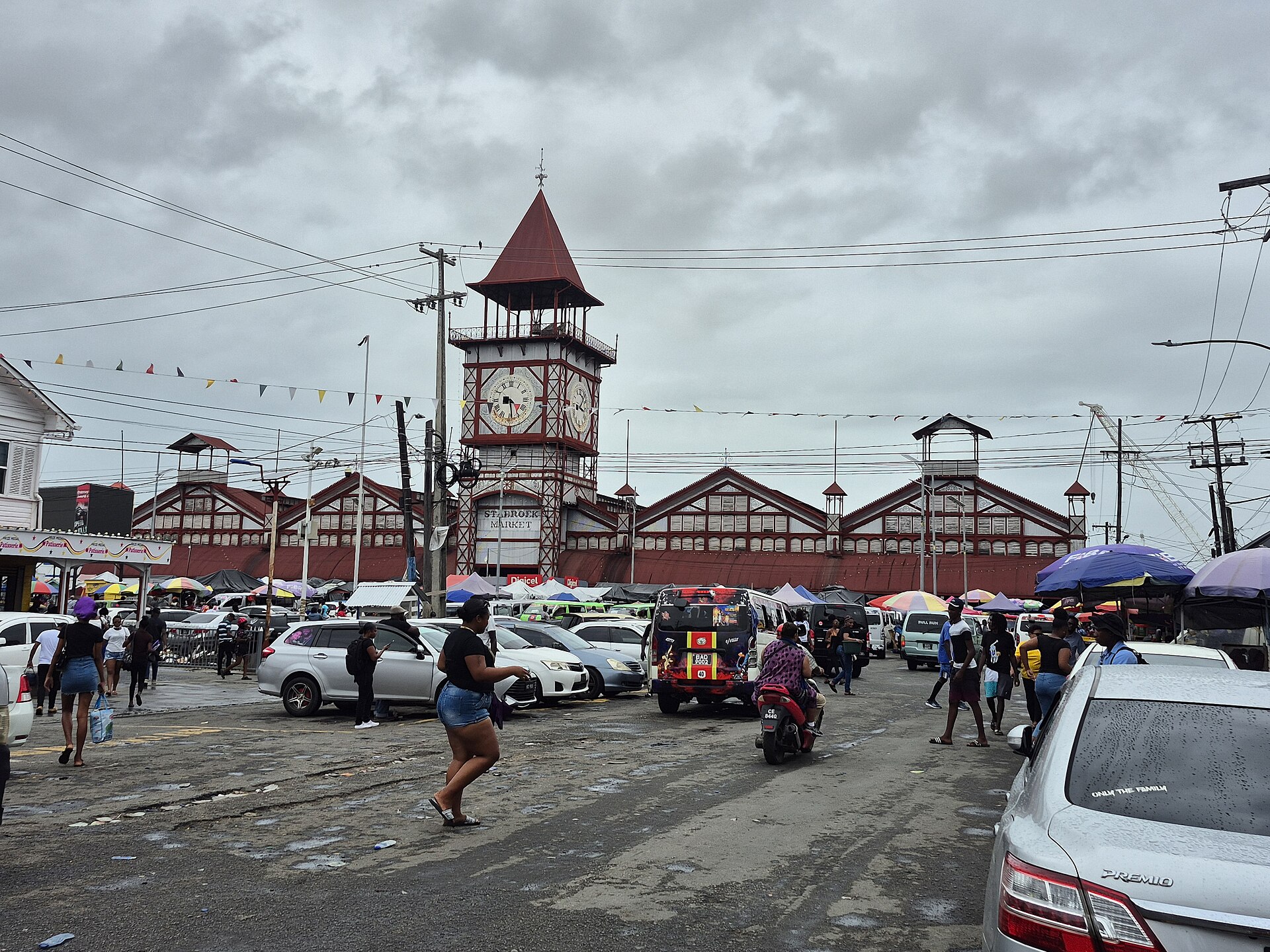 Guyana standards bureau destroys more than 22,000 cigarette packets and electrical items
 Jamaican Michelle Gyles-McDonnough appointed to lead UN Development Coordination Office