
ECLAC says poverty among older people would quadruple without pensions
The UN commission’s annual Social Panorama finds the Caribbean spent 11.2% of GDP on social programmes in 2025, slightly below the regional average.
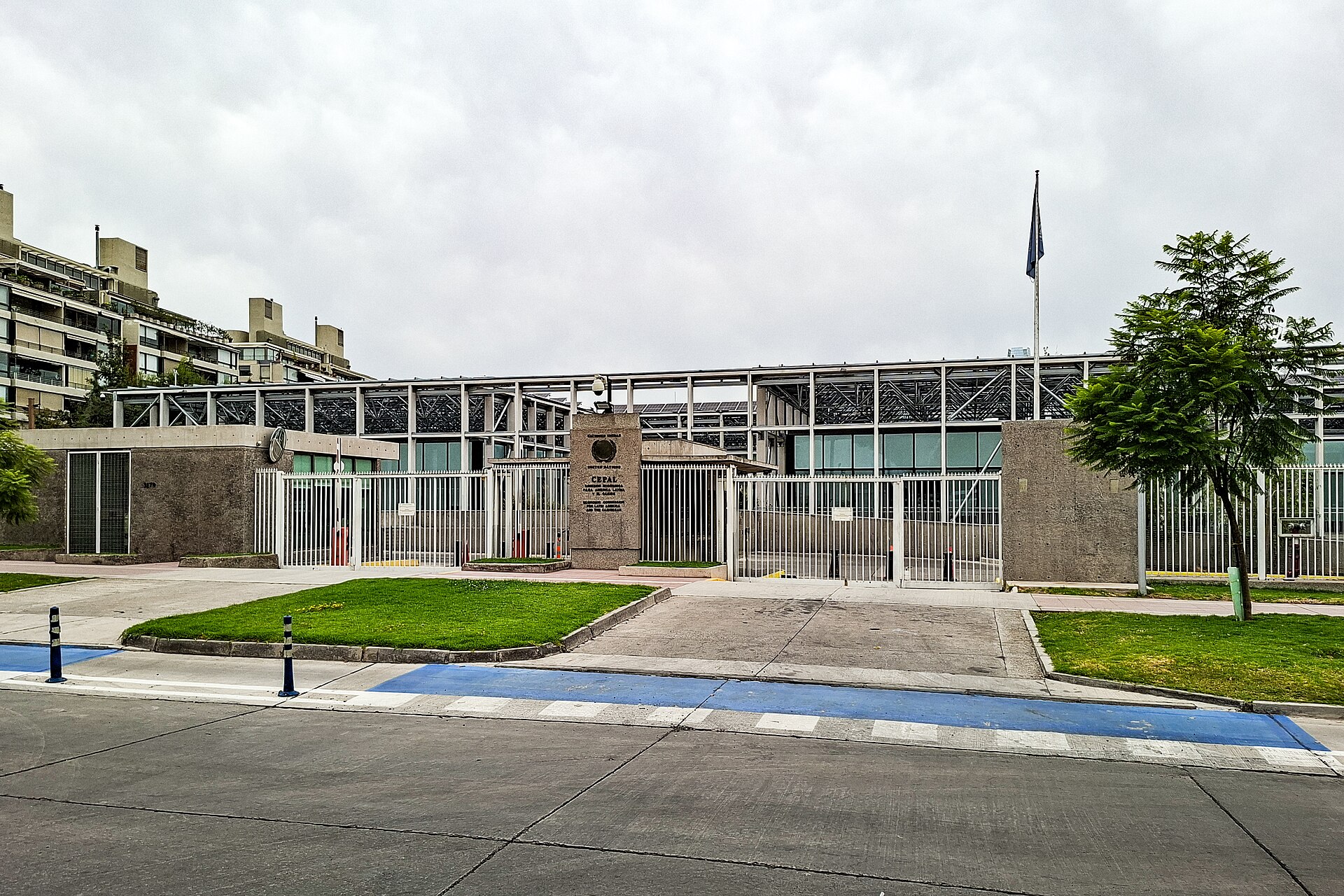
SANTIAGO, Chile. Pension systems are central to keeping older people out of poverty and reducing inequality in Latin America and the Caribbean, the Economic Commission for Latin America and the Caribbean (ECLAC) says.
Its annual Social Panorama of Latin America and the Caribbean, released this week, focuses on the sustainability of pension systems and reviews reforms in the region over the past 45 years.
“The data are eloquent: monetary poverty among older people would increase from 10.4 percent to 41.8 per cent if said population did not receive income through pensions,” said ECLAC executive secretary José Manuel Salazar-Xirinachs.
He said the sustainability of pension systems must be a public policy priority, given rapid population ageing, high labour informality, weak growth and persistent poverty and inequality.
Poverty falls but gaps persist
Income poverty affected 24.4 per cent of the region’s population in 2025, with the number of people in poverty falling from 162 million to 156 million between 2024 and 2025. Extreme poverty affected 60 million people, or 9.4 per cent, down 0.3 percentage points.
Multidimensional poverty fell from 20.3 per cent to 19.4 per cent of the population.
However, ECLAC said gaps by gender, age, ethnicity and race persist and in some cases have widened. The poverty rate among women aged 20 to 59 was 19.6 per cent, four points higher than among men of the same age. Rural poverty, at 36.8 per cent, was 15.1 points above the urban rate.
Some 37.3 per cent of children and adolescents aged up to 17 live in poverty and 14.4 per cent in extreme poverty.
The average Gini index of inequality for 15 countries fell from 0.461 in 2019 to 0.443 in 2025, which ECLAC said remains high compared with other regions.
Pension coverage and spending
Coverage of non-contributory pensions rose from 4.7 per cent to 33.6 per cent of people aged 65 and over between 2000 and 2024, though ECLAC warned the amounts paid tend to be low. Eight countries have introduced measures in the past two decades to narrow gender gaps in pensions, including recognition of care work.
Central government social spending across the region has stabilised at 11.6 per cent of GDP. The Caribbean is somewhat lower, at 11.2 per cent of GDP in 2025, or 41.5 per cent of total public spending.
 US development finance agency scouts St Kitts and Nevis for projects, but no deals yet
 Jamaica's Senate lets bauxite and alumina producers import LNG free of duty
 Cayman Islands inflation hits 5.7% in second quarter as air fares jump 21.4%
 RBC outlook sees tourism economies holding up while Trinidad and Tobago struggles