
Jamaica's Senate lets bauxite and alumina producers import LNG free of duty
Kamina Johnson Smith said cheaper, cleaner energy would help revive a sector that earned about US$612m in exports last year.
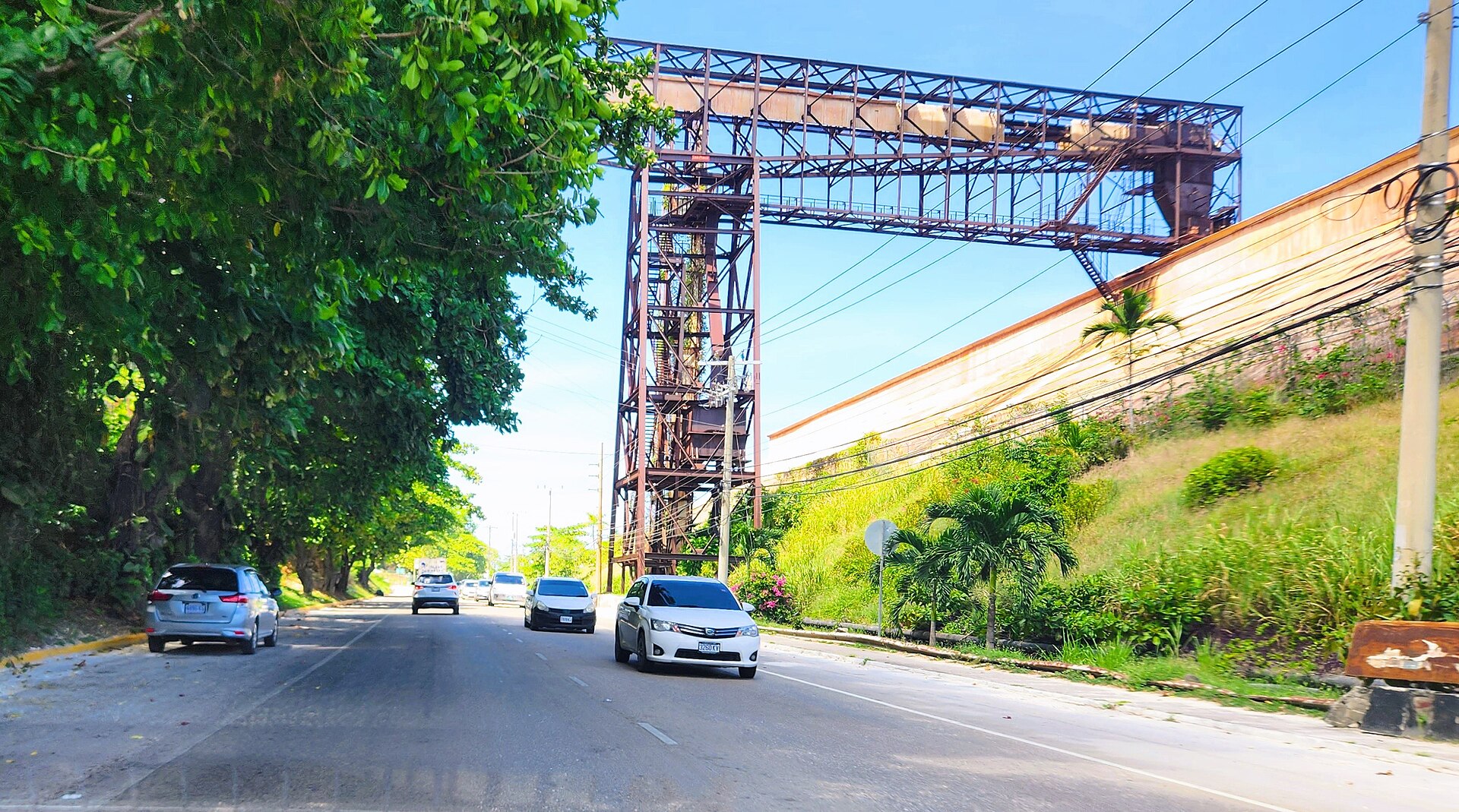
KINGSTON, Jamaica. Jamaica's Senate on Friday passed legislation allowing recognised bauxite and alumina producers to import liquefied natural gas (LNG) free of import duties, as the government seeks to cut energy costs and revive the mining sector.
The Bauxite and Alumina Industries (Encouragement) (Amendment) Act was piloted by Foreign Affairs and Foreign Trade Minister Kamina Johnson Smith, who said the measure would widen existing concessions for the industry and improve the competitiveness and viability of its operations.
She said energy costs remained one of the biggest challenges to efficiency in the sector, while the government continued to pursue a shift towards cheaper and cleaner sources of power.
"Liquefied natural gas is one such cleaner fuel, with added value that it contributes more stable generation costs, strengthens our energy security, and creates a more efficient operating platform for industrial users," she said.
Ms Johnson Smith said LNG also produced lower carbon dioxide emissions and significantly fewer sulphur oxides, and that its use in industrial operations could extend equipment life and reduce shutdowns.
Shrinking global share
The minister said bauxite and alumina accounted for 85 per cent of Jamaica's mining output and 85 per cent of its traditional exports. Export earnings from the sector were about US$612m in 2025, and the industry had been among the least affected during the Covid-19 pandemic.
But Jamaica's share of world production has fallen sharply. In 1957, when it was the world's leading producer, the country accounted for nearly a quarter of global bauxite output. By 2018 its share had dropped to 2 per cent, and by 2024 it stood at 1.4 per cent. Its share of the global alumina market was also 1.4 per cent that year.
Ms Johnson Smith said global demand for aluminium had generally risen between 2015 and 2024, driven largely by construction and transport, creating openings for fresh investment.
Call for reinvestment
Government Senator Kavan Gayle backed the bill, calling it important to the future competitiveness and sustainability of the sector. He said, however, that companies benefiting from the concession should also invest in modernising plants, maintaining equipment, raising production and upgrading workers' skills.
"When you get this kind of investment, it must also lead to [investment] in the plant equipment, sustaining the operations, modernising the production, and upgrading the skills of the workforce," Mr Gayle said.
He urged the government to monitor whether companies made significant improvements to their operations in return for the concession.
 US development finance agency scouts St Kitts and Nevis for projects, but no deals yet
 Cayman Islands inflation hits 5.7% in second quarter as air fares jump 21.4%
 ECLAC says poverty among older people would quadruple without pensions
 RBC outlook sees tourism economies holding up while Trinidad and Tobago struggles