
RBC outlook sees tourism economies holding up while Trinidad and Tobago struggles
The bank’s new quarterly Caribbean Outlook Monitor warns that relief from high energy costs is not expected until the second half of 2027.
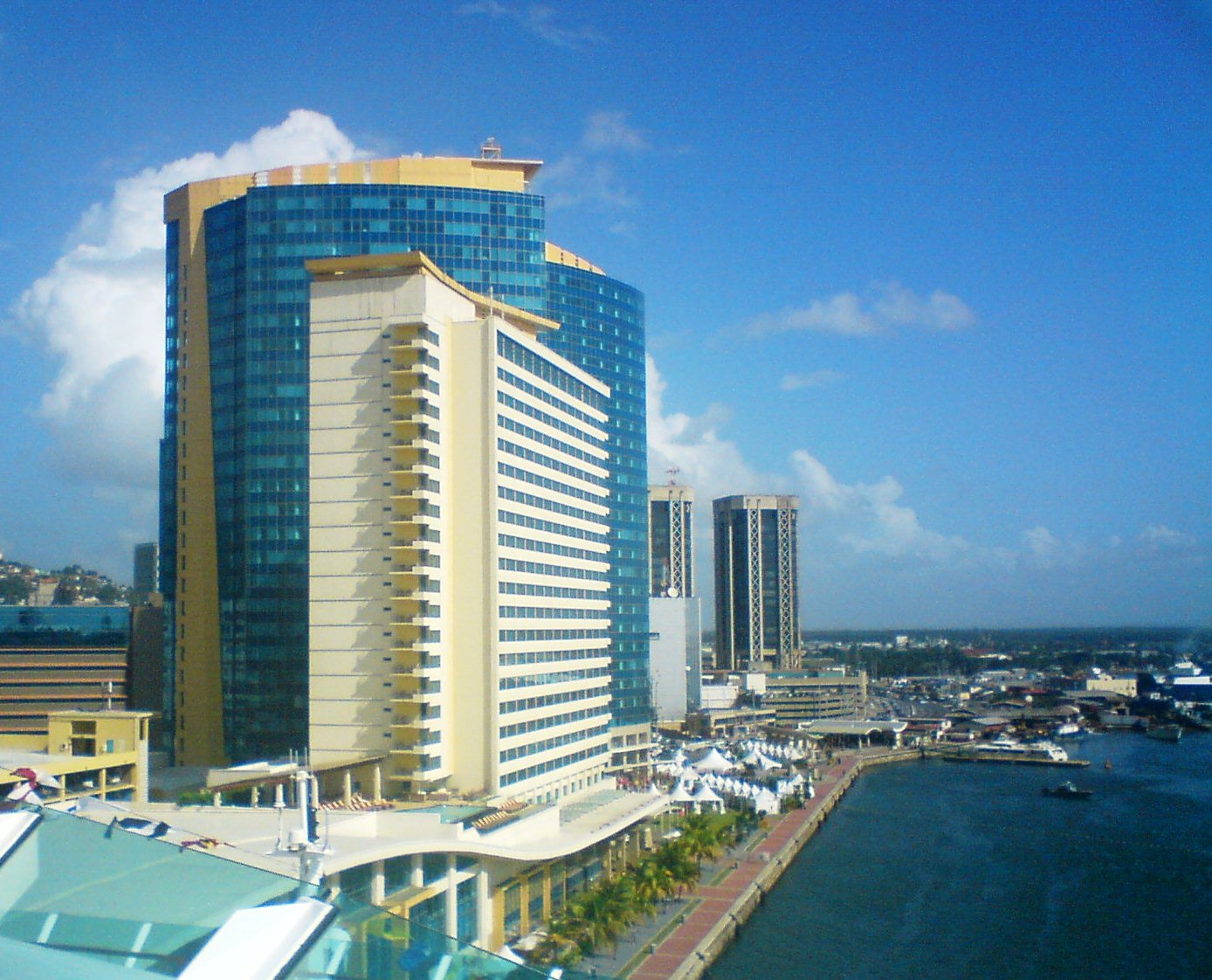
PORT OF SPAIN, Trinidad and Tobago. Royal Bank of Canada (RBC) has launched a quarterly report tracking economic trends, risks and opportunities across the Caribbean, with its first edition warning of a widening divide between the region’s economies.
The Caribbean Outlook Monitor, produced by RBC Economics, covers 10 economies: Aruba, the Bahamas, Barbados, the Cayman Islands, Curaçao, Sint Maarten, Trinidad and Tobago, the Turks and Caicos Islands, Jamaica and Guyana.
Its inaugural report, titled “Uncertainty is the only certainty”, describes a region showing resilience despite pressure from global conflicts, rising energy prices and persistent economic challenges.
“The Caribbean is navigating a decade of compounding shocks with remarkable resilience, but the road ahead demands preparation, not optimism alone,” said RBC economist Zachary Gaskin.
A two-speed region
The report expects tourism-dependent countries to keep performing relatively strongly as visitors continue to arrive from major markets.
Trinidad and Tobago faces a more difficult outlook, it says, as long-standing structural problems in the energy sector continue to hold back economic activity.
Rising global oil prices are another concern. RBC does not expect meaningful relief from high energy costs until the second half of 2027, which could add pressure on inflation, household budgets and business costs.
The report also warns that government support measures that have helped cushion economies against external shocks cannot continue indefinitely, and that prolonged conflicts and instability could further test the region.
Chris Duggan, chief executive of RBC Caribbean, said the service would help “businesses, investors, and communities prepare for what comes next with confidence”.
RBC says the quarterly reports will include updated forecasts, economic indicators and interactive data for individual countries and the wider region.
 US development finance agency scouts St Kitts and Nevis for projects, but no deals yet
 Jamaica's Senate lets bauxite and alumina producers import LNG free of duty
 Cayman Islands inflation hits 5.7% in second quarter as air fares jump 21.4%
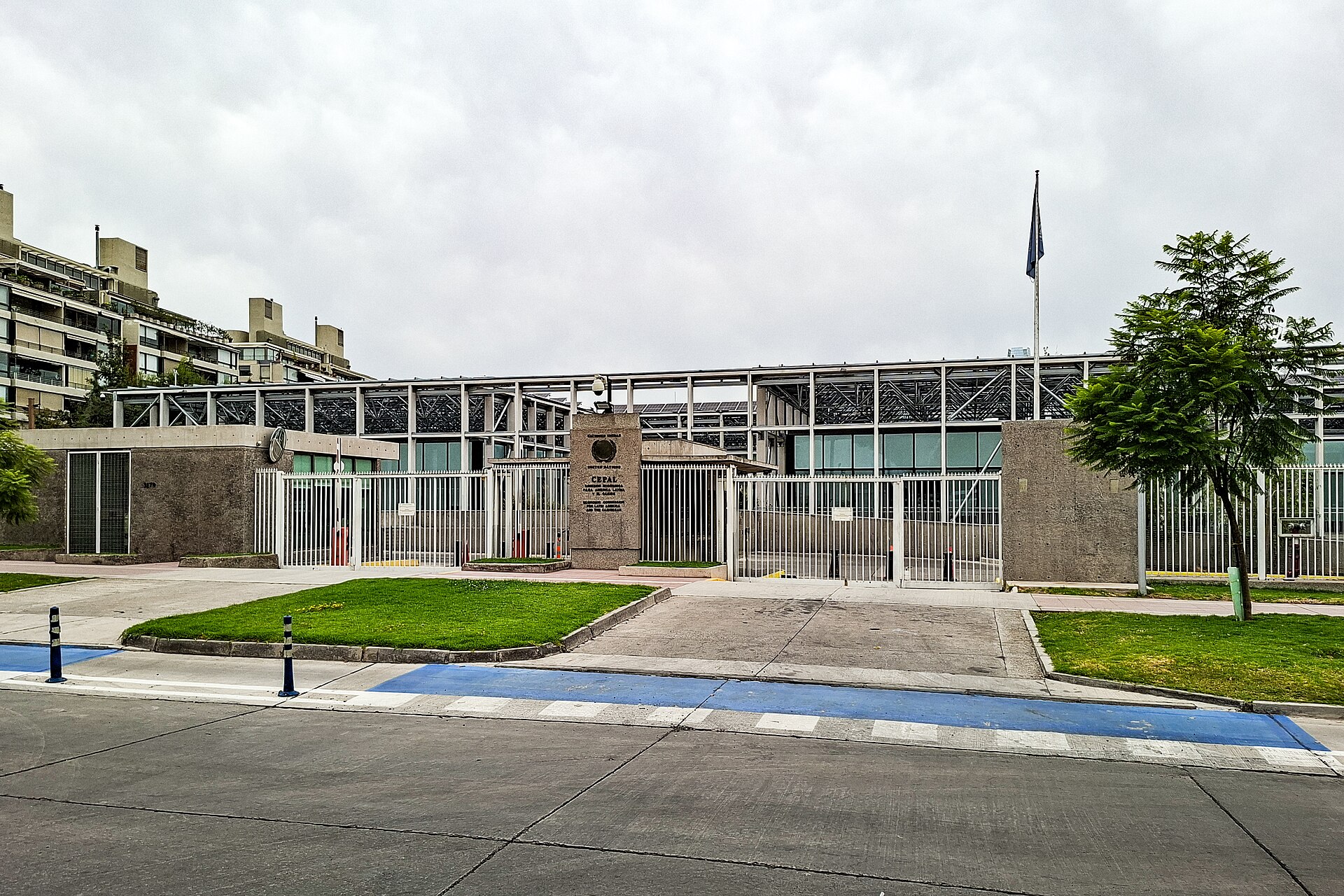 ECLAC says poverty among older people would quadruple without pensions