
Fitch gives Suriname a B- rating with positive outlook, citing expected offshore oil revenues
The agency's first rating for the country since 2022 follows an S&P upgrade last week, and forecasts 28 per cent growth in 2028 as oil production begins.
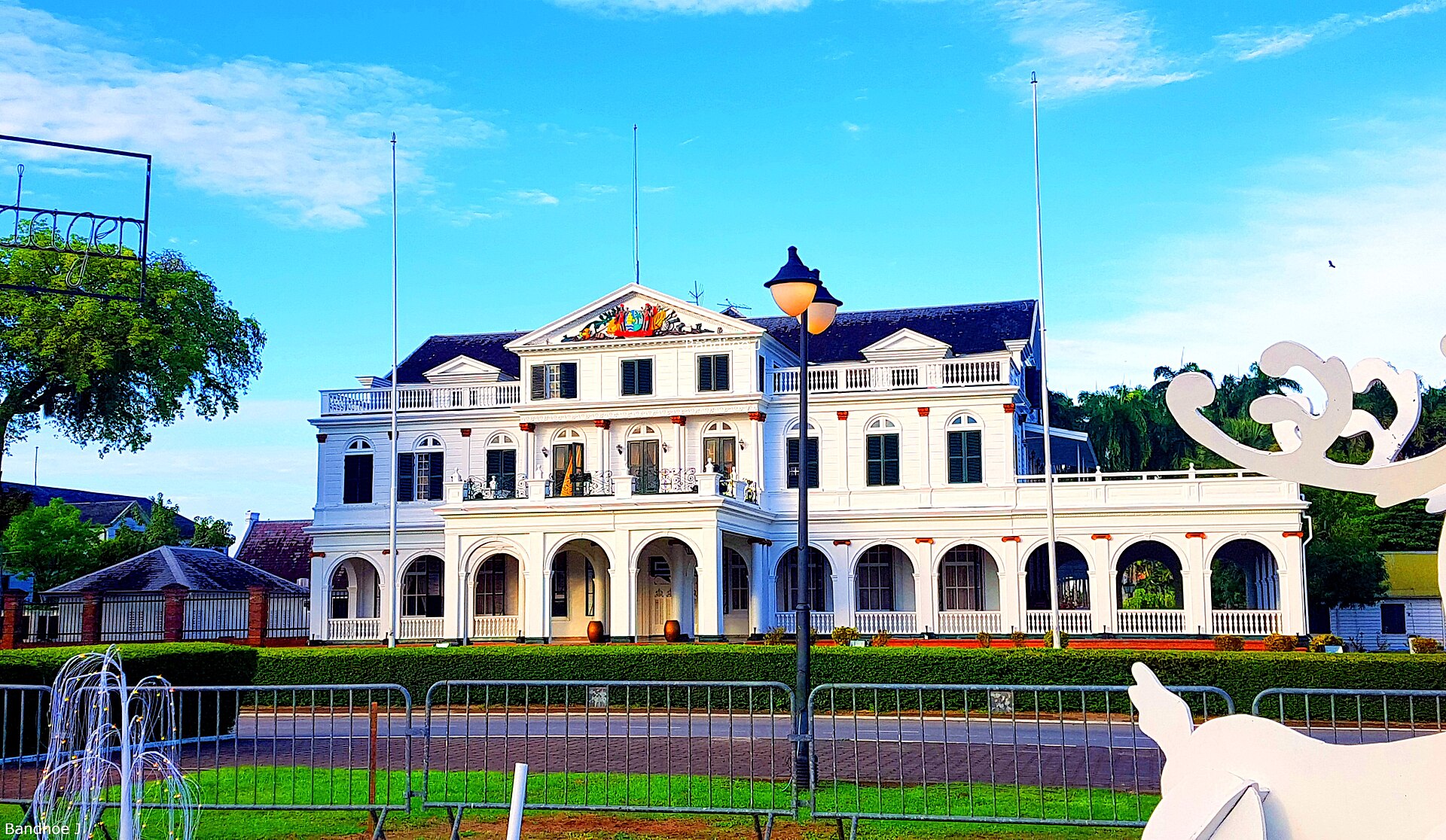
PARAMARIBO, Suriname. Fitch Ratings has given Suriname a B- rating for long-term liabilities with a positive outlook, a week after S&P Global Ratings also upgraded the country.
The New York-based agency said on Monday that the rating, its first for Suriname since previous ratings were withdrawn in 2022, reflects improved economic prospects, expected revenues from the offshore oil sector and the prospect of a substantial reduction in public debt.
Last week S&P upgraded Suriname from CCC+ to B- with a stable outlook, citing high gold prices, rising government revenues and expected growth from offshore oil production starting in 2028.
Back on the credit ladder
The rating is an improvement on 2021, when Suriname was placed in Restricted Default during its debt crisis after it was unable to meet its original debt obligations. B- remains within the speculative category.
The positive outlook means Fitch sees room for further improvement in creditworthiness, expecting offshore oil to give a powerful boost to the economy and public finances from 2028.
Growth and debt forecasts
Fitch estimates the economy could grow by 28 per cent in 2028, with growth of approximately four per cent a year expected in 2026 and 2027.
Gross government debt, which stood at 105.3 per cent of gross domestic product in 2025, could fall to 53.7 per cent in 2028. Fitch expects a budget deficit of 3.4 per cent of GDP in 2026 to turn into a surplus of 1.6 per cent in 2028.
Challenges remain
The agency pointed to limited institutional capacity, delays in implementing reforms and the need to further strengthen public finances.
It highlighted the management of future oil revenues. Suriname has adopted legislation on budgetary rules and a fund to manage those revenues, but full implementation has been delayed. According to Fitch, the government aims to have the legal and institutional framework operational by early 2027.
Inflation and the financial position of state-owned enterprises also remain areas of focus. Fitch said a further upgrade would depend on how far Suriname succeeds in sustainably reducing its debt, strengthening public finances and implementing economic reforms.
 US development finance agency scouts St Kitts and Nevis for projects, but no deals yet
 Jamaica's Senate lets bauxite and alumina producers import LNG free of duty
 Cayman Islands inflation hits 5.7% in second quarter as air fares jump 21.4%
 ECLAC says poverty among older people would quadruple without pensions