
IMO net-zero shipping rules could add US$3.6bn to CARICOM import bills, private sector study warns
The CARICOM Private Sector Organisation says shipping costs into the region could rise 14 per cent by 2035 and wants safeguards agreed before any vote in London next week.
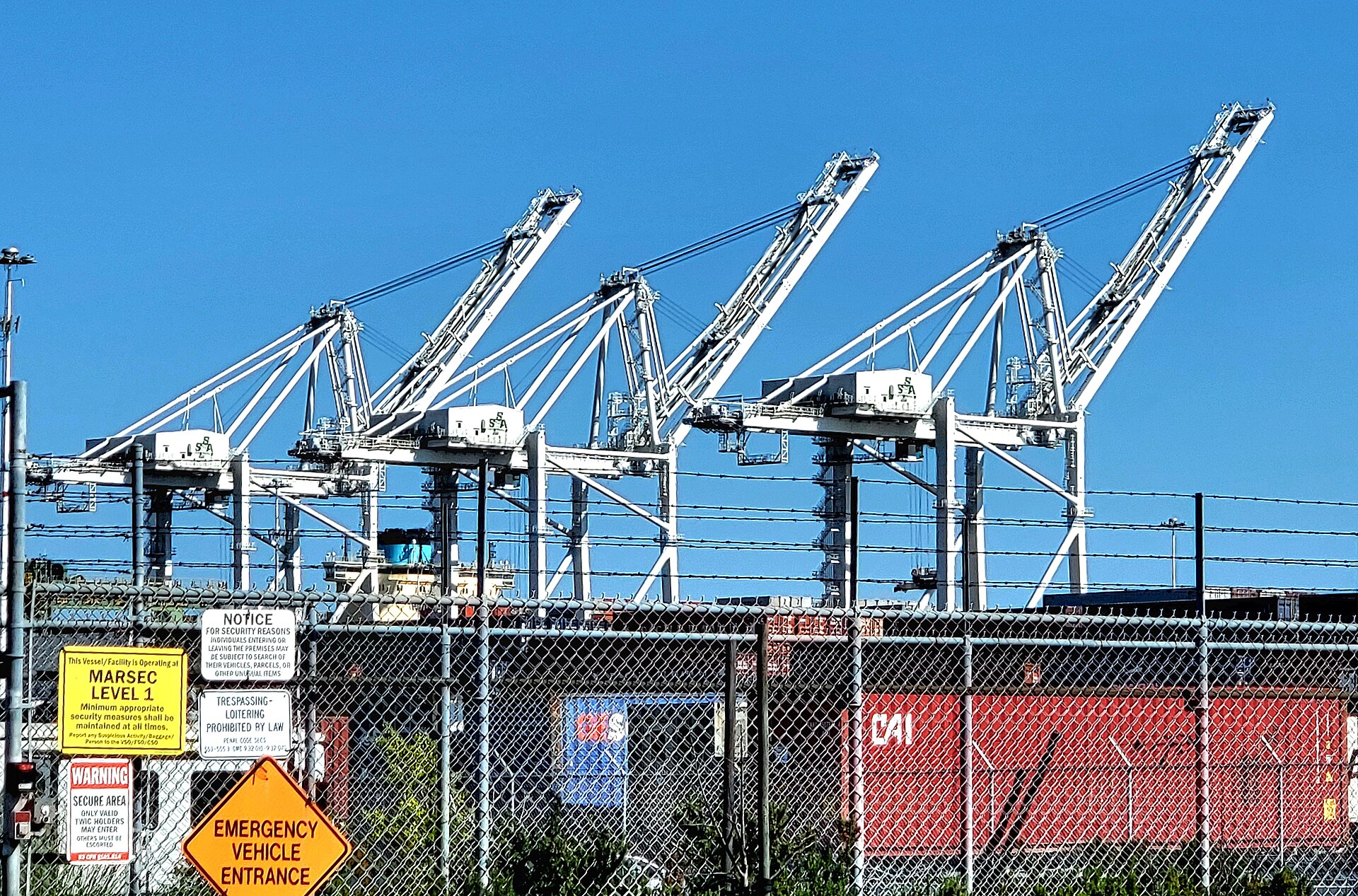
BRIDGETOWN, Barbados. Businesses and consumers in CARICOM could pay an extra US$3.6 billion to bring goods into the region between 2028 and 2035 under new global rules to cut shipping emissions, according to a study by the CARICOM Private Sector Organisation (CPSO).
The study examines the International Maritime Organisation's Net-Zero Framework and was released ahead of the IMO's Marine Environment Protection Committee (MEPC 85), which meets in London from 30 November to 3 December. The framework is expected to return for a decision at a resumed extraordinary session on 4 December.
"There can be no IMO-NZF without safeguards for CARICOM."
Dr Patrick Antoine, the CPSO's chief executive and technical director, said: "The CPSO supports net-zero shipping. However, we do not support a text that charges in full a region facing disproportionately negative impacts and leaves what comes back to be decided later."
Higher costs, fewer imports
The study, which it describes as the first to measure the framework's effect on each of 12 CARICOM member states, finds that the cost of shipping imports into the region could rise by 14 per cent by 2035, adding US$761 million in that year alone.
The landed cost of imported goods could climb by about 2.5 per cent before customs duties tax that increase a second time. Real imports could be US$2.9 billion, or 9.5 per cent, lower in 2035 than otherwise, with food imports alone falling by US$312 million. In economies where imports equal 28 to 47 per cent of GDP, the CPSO says, that reaches household budgets quickly.
The region has no bunkering network for cleaner fuels and its feeder ships have no material presence in shipyard order books, so carriers are expected to pay the charge and pass it on as a freight surcharge. The seven tourism-dependent island economies could see real imports fall by 6.6 to 9.5 per cent, and the smallest islands on thinly served routes risk shipping lines cutting or withdrawing services. The estimates cover imports only, although exports carry the same charge.
Alternative proposals
The study also models four alternative proposals. Added costs over 2028 to 2035 would be about US$3.0 billion under Japan's proposal and US$4.8 billion under Tuvalu's. Preliminary estimates for Brazil's and Liberia's proposals are lower, at about US$0.7 billion and US$0.5 billion, but neither guarantees any return to the region.
CARICOM's payments in 2030 could equal about 2 per cent of expected revenue for the IMO's Net-Zero Fund, although the region accounts for only 0.12 per cent of world imports. The rules on who receives money from the fund are not yet written.
Three conditions
The CPSO says it will support a text with a fund or investment facility only if the rules recognise the disproportionate impact on CARICOM small island developing states, ring-fence money for them and phase in implementation on the trades that serve them; if the fund returns to the region at least what it pays in, through a regionally controlled channel such as the Caribbean Development Bank; and if the option chosen carries the lowest net cost to the region.
The study notes that once ships and fuel supply are in place, a dual-fuel feeder vessel could save about US$200 to US$250 for every tonne of conventional fuel it replaces.
"CARICOM can be a supplier of cleaner marine fuels, not just a payer of carbon charges," Dr Antoine said. "But the infrastructure, the ships, and the finance have to come first."
 Suriname takes US$1.6bn decision on KrakaWi offshore gas project, with first LNG due in 2030
 ECCB governor Antoine proposes national insurance compact to secure Grenada's pension scheme
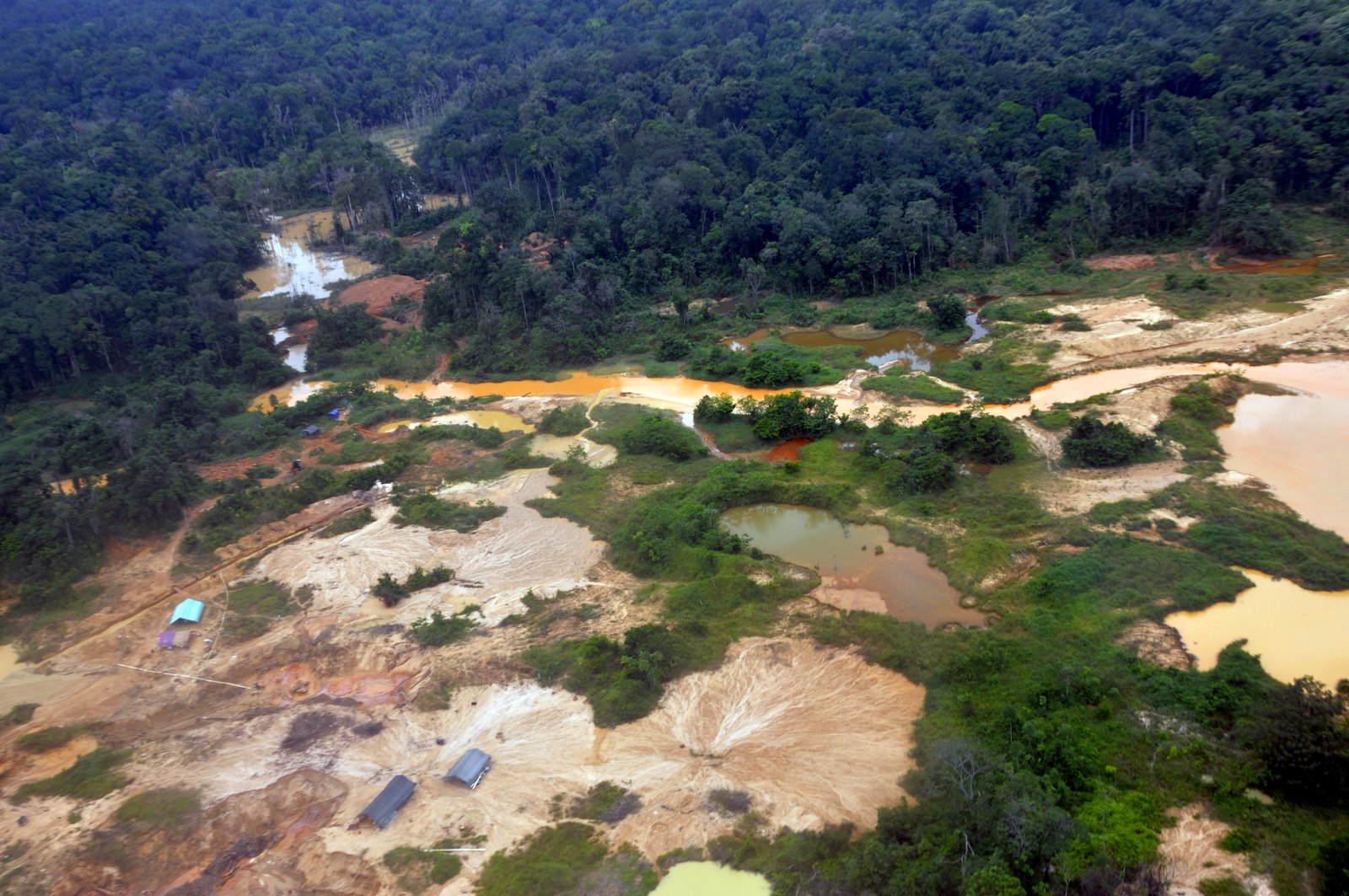 Guyana Gold Board expects to beat last year's 200,000 ounces as it opens buying points near mines
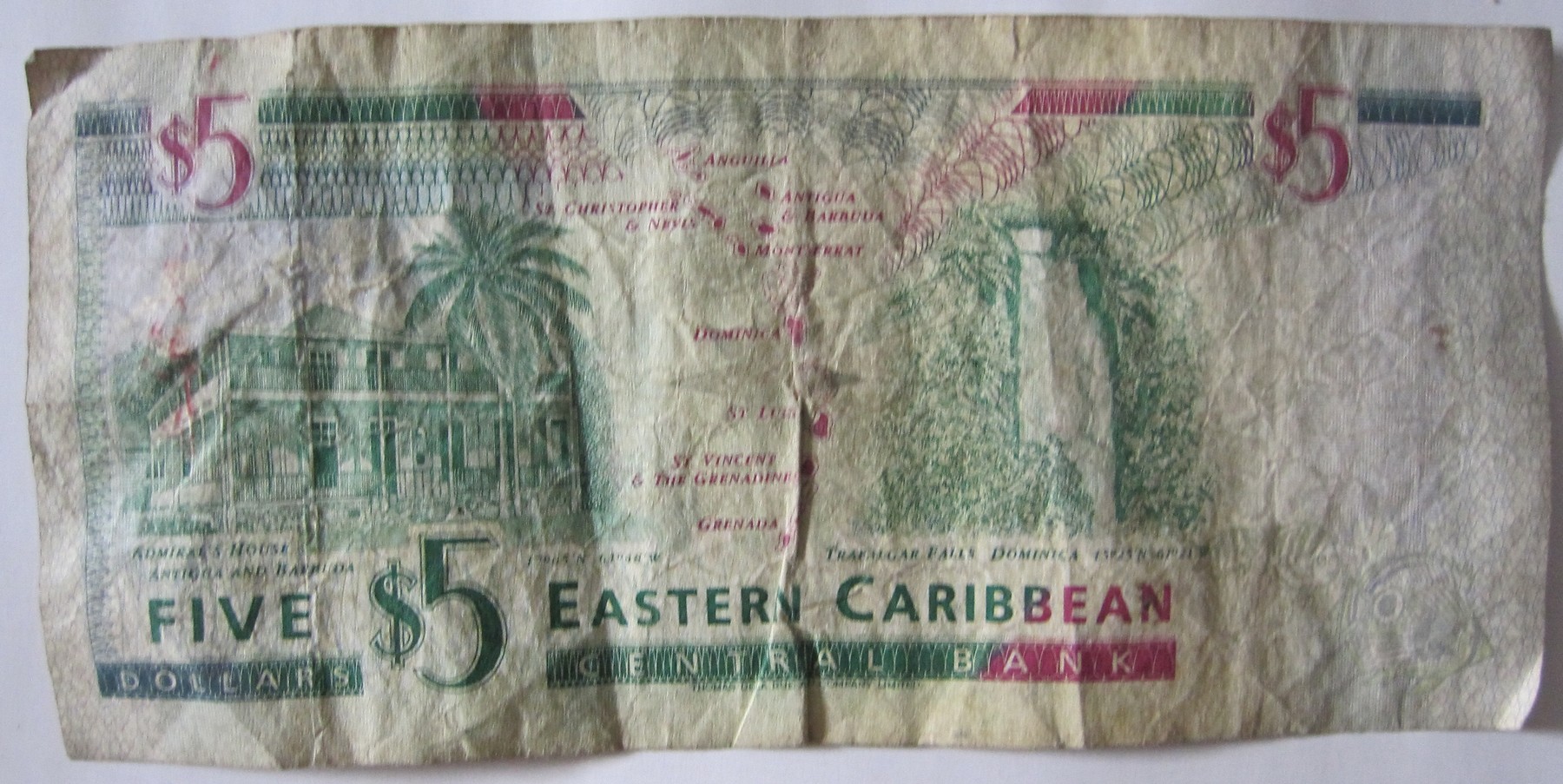 CDB tells ECCB conference in Basseterre that currency union can build fairer, more competitive finance