
Browne says State Department call led Antigua and Barbuda to drop support for Cuba at UN
The prime minister says Washington warned that backing the resolution against the US embargo could undermine talks on restoring tourist visas for Antiguans.
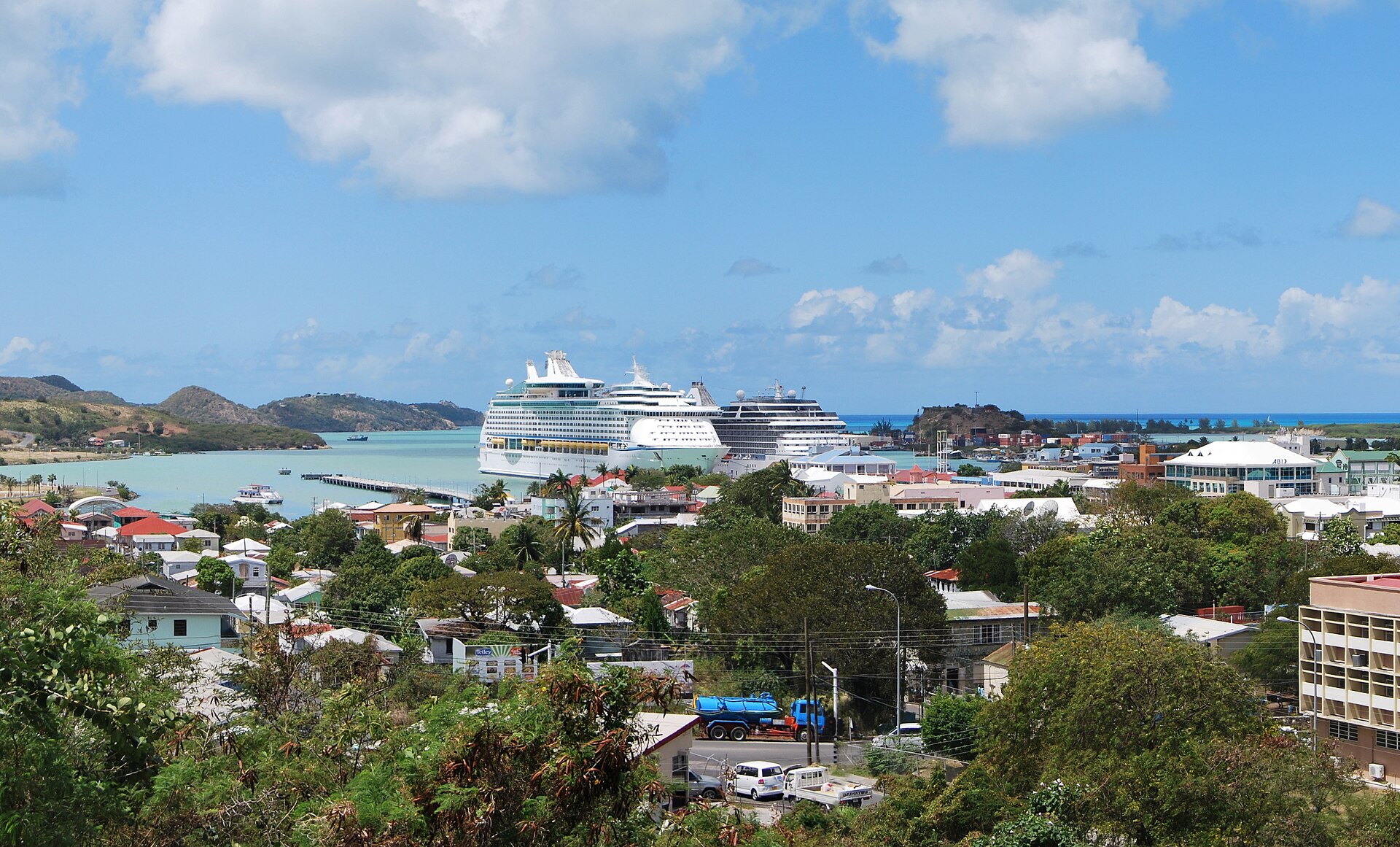
ST JOHN'S, Antigua and Barbuda. Antigua and Barbuda's prime minister, Gaston Browne, has said his government changed its position on a recent United Nations vote against the US economic embargo on Cuba after a call from the US State Department.
Speaking on his weekly radio programme during the first weekend of November, Browne said the government had already decided to vote with dozens of other nations against the embargo, but stepped back after officials in Washington warned that doing so could jeopardise negotiations on resuming tourist visas for Antiguans.
"In fact, I'll make this public," he said. "We had decided to support Cuba on a resolution recently and changed our position because we had a call from the State Department advising us that they're making progress in the negotiations and if we supported Cuba, that it would undermine the negotiations, so we changed our position."
He said the instruction to the country's ambassador in New York was to abstain. "I noticed he did not show up. I don't know what happened," Browne said.
How the region voted
In the vote last month, the Bahamas, Belize, Barbados, Grenada, St Vincent, St Kitts and Nevis and Suriname voted to lift the embargo. Antigua and Barbuda, Dominica and St Lucia were recorded as absent. Jamaica, Haiti and Guyana abstained, while Trinidad and Tobago, which has openly supported the Trump administration on foreign policy and military issues, voted against the resolution for the first time in decades, a move that drew widespread criticism at home.
The remarks appear to confirm earlier suggestions from Antigua and Barbuda and other governments that Caribbean Community members are being pressed by Washington to support American policies, including accepting groups of third country deportees from the US.
Visa restrictions
At the end of last year the US imposed severe tourist visa restrictions on nationals of Antigua and Barbuda and Dominica. Recent reports showed that almost no visas in that category had been issued to applicants from the two countries this year.
Browne said he had wondered whether the country was also being penalised over its citizenship by investment programme. He noted that Antigua and Barbuda and neighbouring Eastern Caribbean states are in advanced talks with the European Union over its concerns about such programmes, while also still talking to the US about resuming tourist visa approvals.
"We're still working through the diplomatic lines to have this issue addressed," he said. He added that the matter was being handled at the State Department, but that "it's someone in the White House who has made a determination".
"I don't know necessarily whether President Trump signed the order, that is necessarily he who is driving it himself. So that is what makes it so difficult. We have members within the State Department who are working feverishly," Browne said.
 Ali warns of possible coordinated plot after firebomb attack on Guyana power substation
 EU deadline on CBI arrives with no public word on how St Kitts and Nevis will answer
 Trinidad unions march against government as Persad-Bissessar calls it a 'hate protest'
 Suriname president weighs future of justice minister Monorath over telecoms affair