
EU deadline on CBI arrives with no public word on how St Kitts and Nevis will answer
Antigua and Barbuda, Saint Lucia and Dominica have set out at least part of their positions to Brussels, but the Drew administration has not said publicly which route it will take.
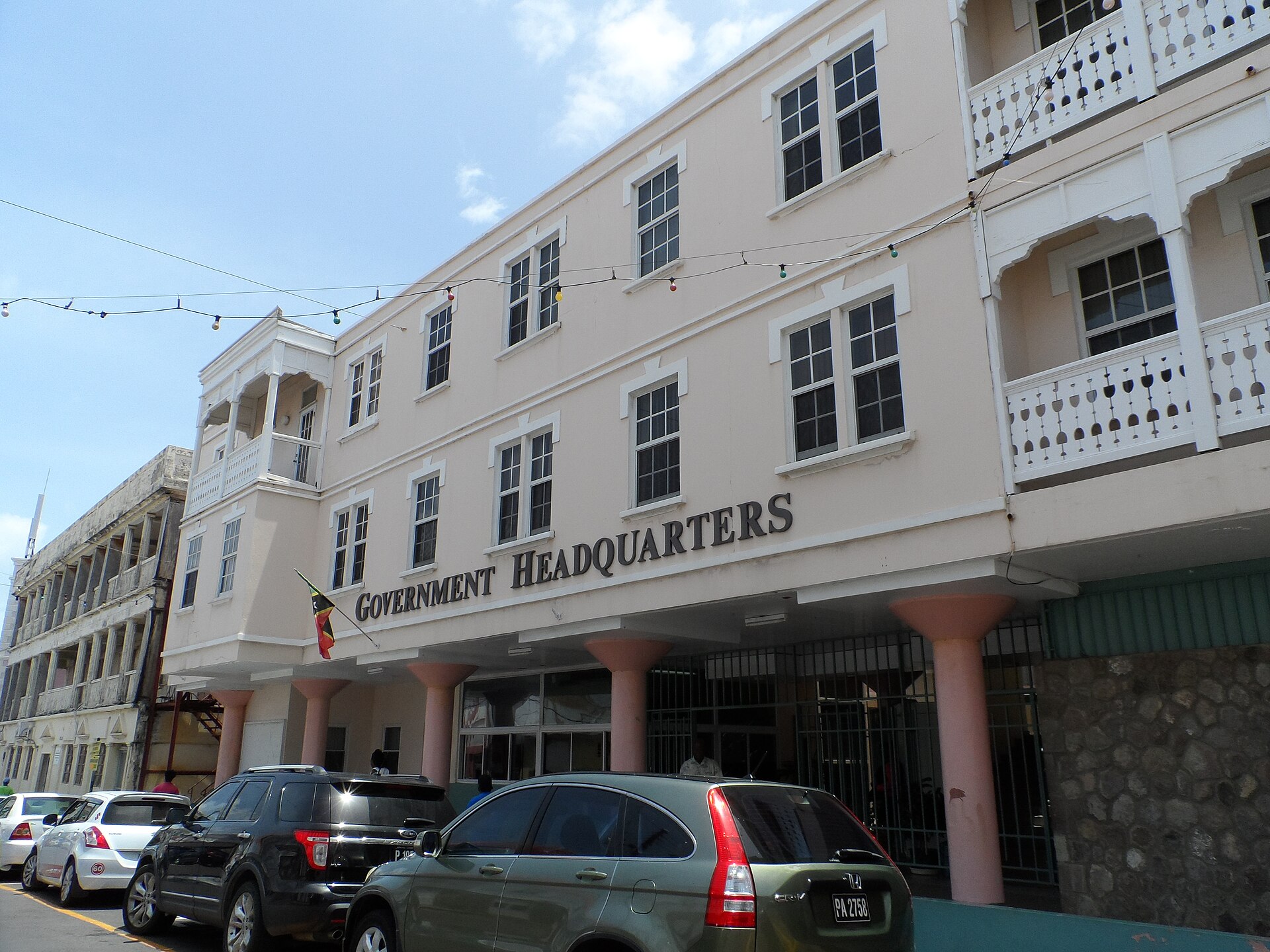
BASSETERRE, St Kitts. Thursday is the date by which the European Union asked St Kitts and Nevis and four other Eastern Caribbean states to set out how they will respond to its demand that citizenship by investment (CBI) programmes be wound up. As of Wednesday, the federal government had not publicly set out a detailed position.
The EU wants the programmes ended by 1 June 2028. Countries that refuse risk losing visa-free travel to the Schengen area under revised EU visa suspension rules that took effect in December 2025. The 12 November date concerns a formal reply, not an automatic shutdown.
Neighbours move first
Antigua and Barbuda's Prime Minister Gaston Browne wrote to EU migration commissioner Magnus Brunner on 30 October saying his country would end its programme, but asking for a transition period running to 2030. Saint Lucia has sent a written reply; Prime Minister Philip J Pierre said on Monday it would not be released until the EU confirmed receipt, and that his government would not simply give the programme up. Dominica said on 28 October that it would communicate further with the EU by 12 November and was seeking a practical agreement.
What the government has said
At a media roundtable on 5 November, Dr Terrance Drew said CBI made up almost 70% of the budget when he took office in 2022, and that the government aims to cut that share to below 20% this year and under 10% in 2027. He said bridging finance was being discussed and cited geothermal energy on Nevis, solar power on St Kitts, water projects and digital public services.
"We had already started to plan an economy without CBI," Dr Drew said.
In October 2024 the prime minister told the nation the programme had been "saved" after reforms. IMF figures since then show CBI revenue falling from 22.2% of GDP in 2023 to 8.6% in 2024 and 5.3% in 2025, with the fiscal deficit reaching 11.7% of GDP last year.
Opposition presses for answers
People's Action Movement leader Shawn Richards accused the government on Sunday of keeping the public in the dark. He said EU officials had offered three options: keep the programme and accept a possible suspension of visa-free access from early 2027, close by June 2028, or announce closure while seeking a longer transition with financial and technical help. He warned that an abrupt shutdown could put hundreds of jobs at risk.
The government has not said publicly which of those routes it intends to take, or how it would replace the revenue if the programme closes.
 Ali warns of possible coordinated plot after firebomb attack on Guyana power substation
 Browne says State Department call led Antigua and Barbuda to drop support for Cuba at UN
 Trinidad unions march against government as Persad-Bissessar calls it a 'hate protest'
 Suriname president weighs future of justice minister Monorath over telecoms affair