
Rowley attacks Trinidad and Tobago's UN votes on Cuba and the ICC as criticism of US alignment grows
The former prime minister said the government had shamed the country, but Kamla Persad-Bissessar said relations with Washington would continue as normal.
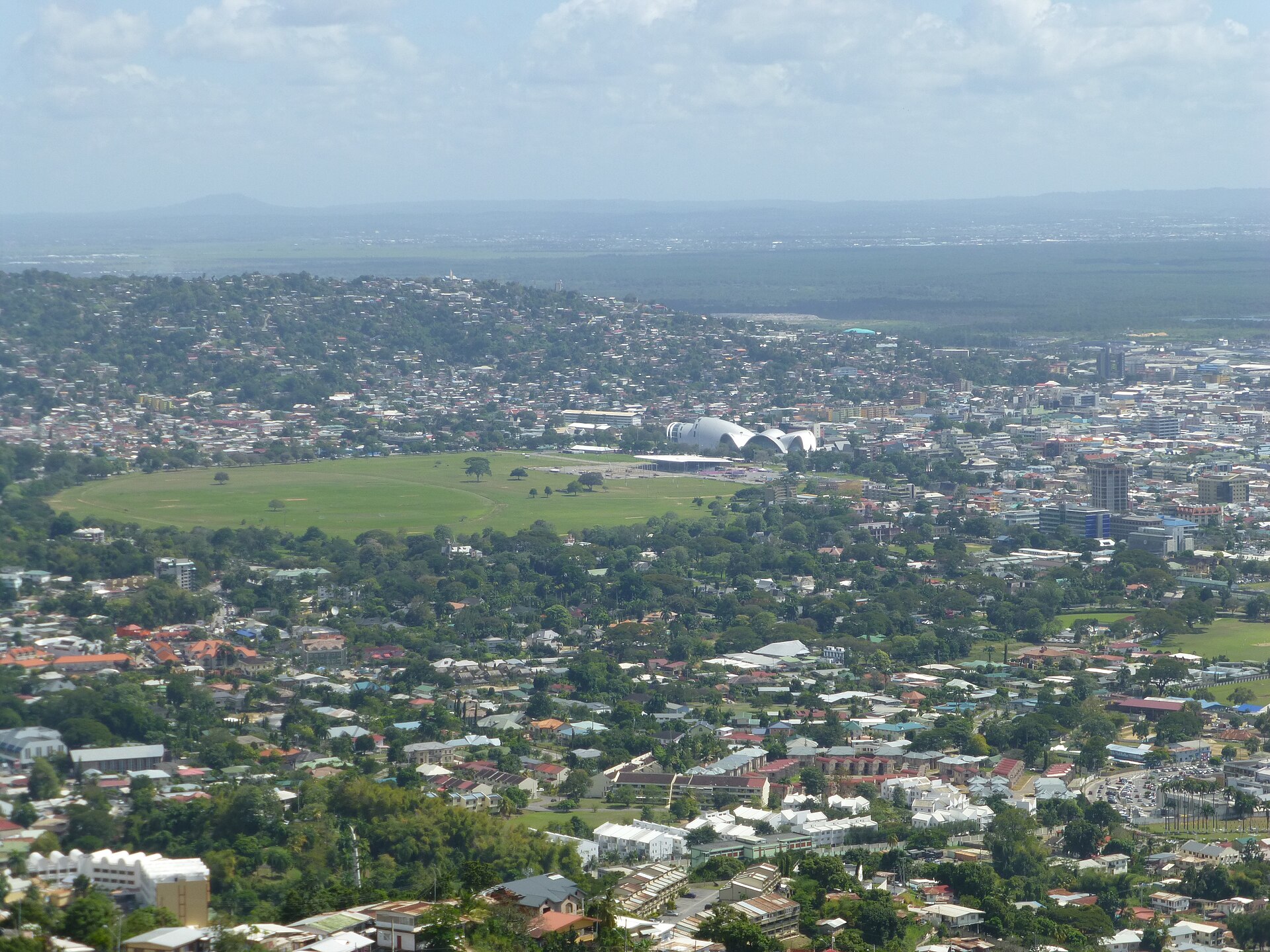
PORT OF SPAIN, Trinidad and Tobago. Trinidad and Tobago’s close alignment with Washington’s foreign policy is facing renewed scrutiny, with former prime minister Keith Rowley warning that the country’s diplomatic choices could have serious consequences as politics shifts in the United States.
The criticism follows two recent votes at the United Nations in which the Kamla Persad-Bissessar administration declined to support resolutions defending Cuba and the International Criminal Court (ICC). Opposition politicians and civil society groups have criticised both positions.
The votes follow a series of contested military arrangements with the United States earlier this year. These included allowing American troops to prepare on Trinidadian territory for possible military operations against neighbouring Venezuela, permitting the US Department of Defense to set up military-grade radar installations in Tobago, and hosting training exercises involving American personnel.
Critics have questioned how far the government has gone in co-operating with the Trump administration, citing concerns over regional security and the possible effect on relations with Caribbean neighbours.
'Voting for cruelty'
Writing on social media, Rowley said political developments in the United States should prompt Trinidadians to reconsider their country’s foreign policy. He described the American election results as a rejection not only of a political leader but of those who had backed his administration’s policies.
On the Cuba resolution, Rowley said the government had “shamed us by voting for cruelty and collective punishment for Cuba”. He also criticised the decision not to support the ICC, which Washington has opposed over concerns that American military personnel and officials could face prosecution for alleged war crimes.
“This is a good time for the people of Trinidad and Tobago to pay careful attention to our own situation, take stock of where we are going and what we have done,” he said.
Opposition figures have warned that the country risks diplomatic isolation if it continues to align so closely with the Trump administration.
Prime minister dismisses concerns
Persad-Bissessar rejected suggestions that the changing political landscape in the United States would affect bilateral ties. Speaking to reporters, she described the US midterm election results as predictable and said they would not change the long-standing relationship between the two countries.
“I really don’t understand why the PNM is crashing out, because tomorrow morning the US and Trinidadian governments will continue working together as normal,” she said.
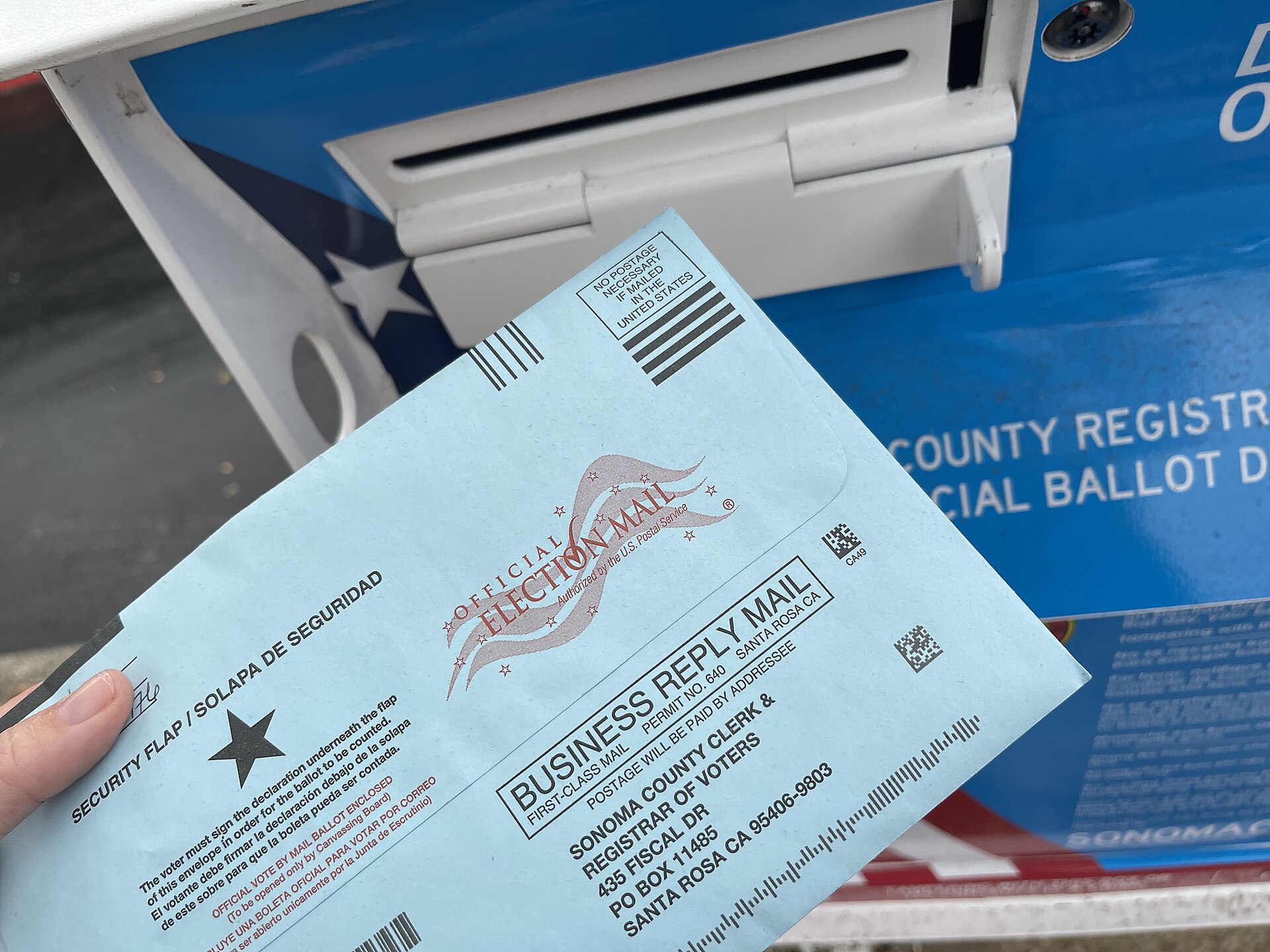 Dominica elections chief rejects voter register concerns as opposition cites 1,006 stalled applications
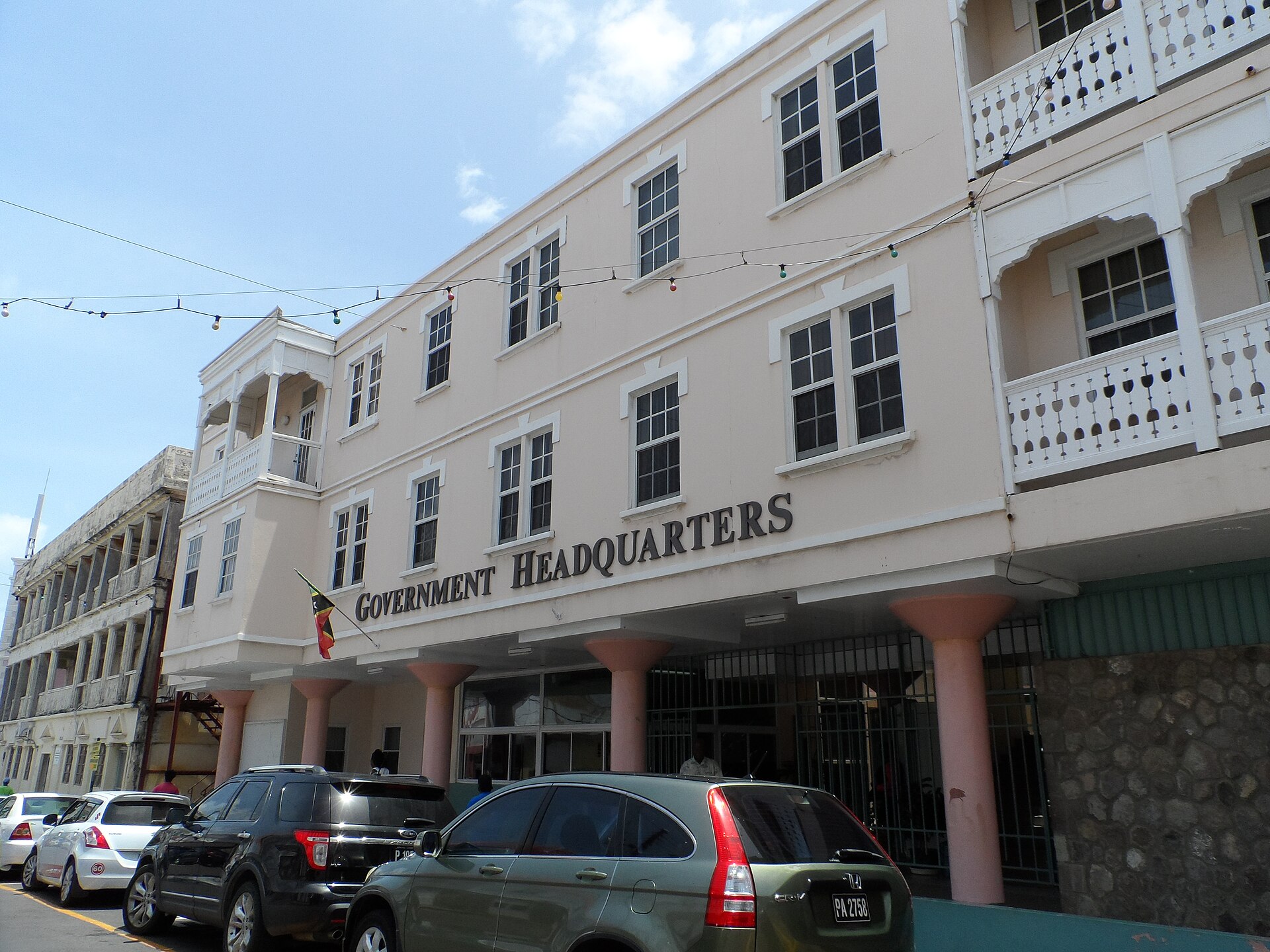 Citizenship by investment to end on 1 January 2030, short of the five years Brantley demanded
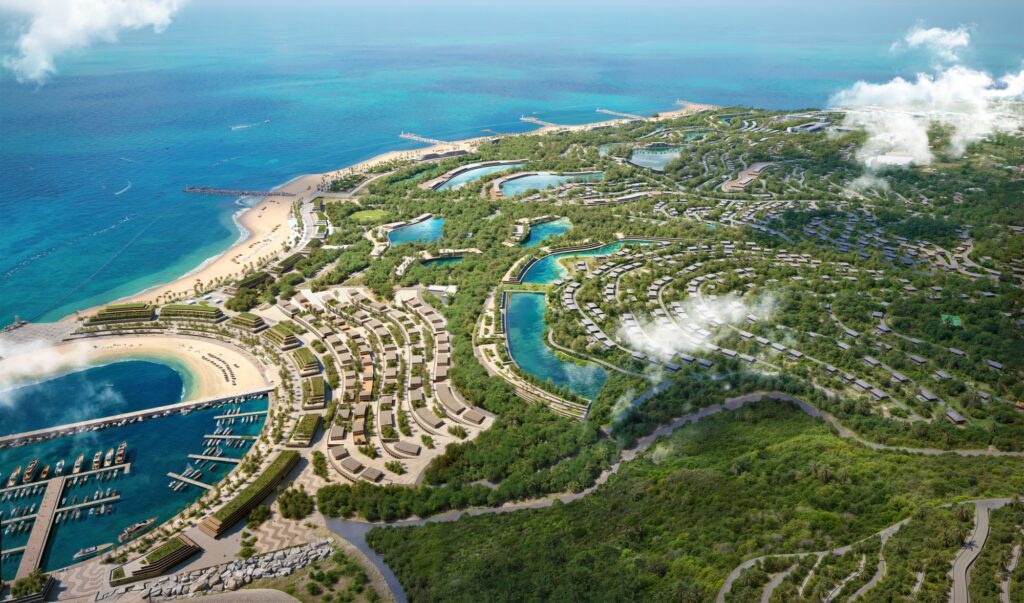 Destiny Deal Agreed: What Nevis Gets and What It Gives Up
 US calls Caribbean its neighbourhood as senior envoy pledges help for Jamaica against transnational gangs