
Bahamas prime minister Davis says COP31 failed future generations as talks end without a deal
Philip Davis blamed a small number of oil and gas producers for the collapse of the Antalya climate conference and backed CARICOM's refusal to sign the final text.
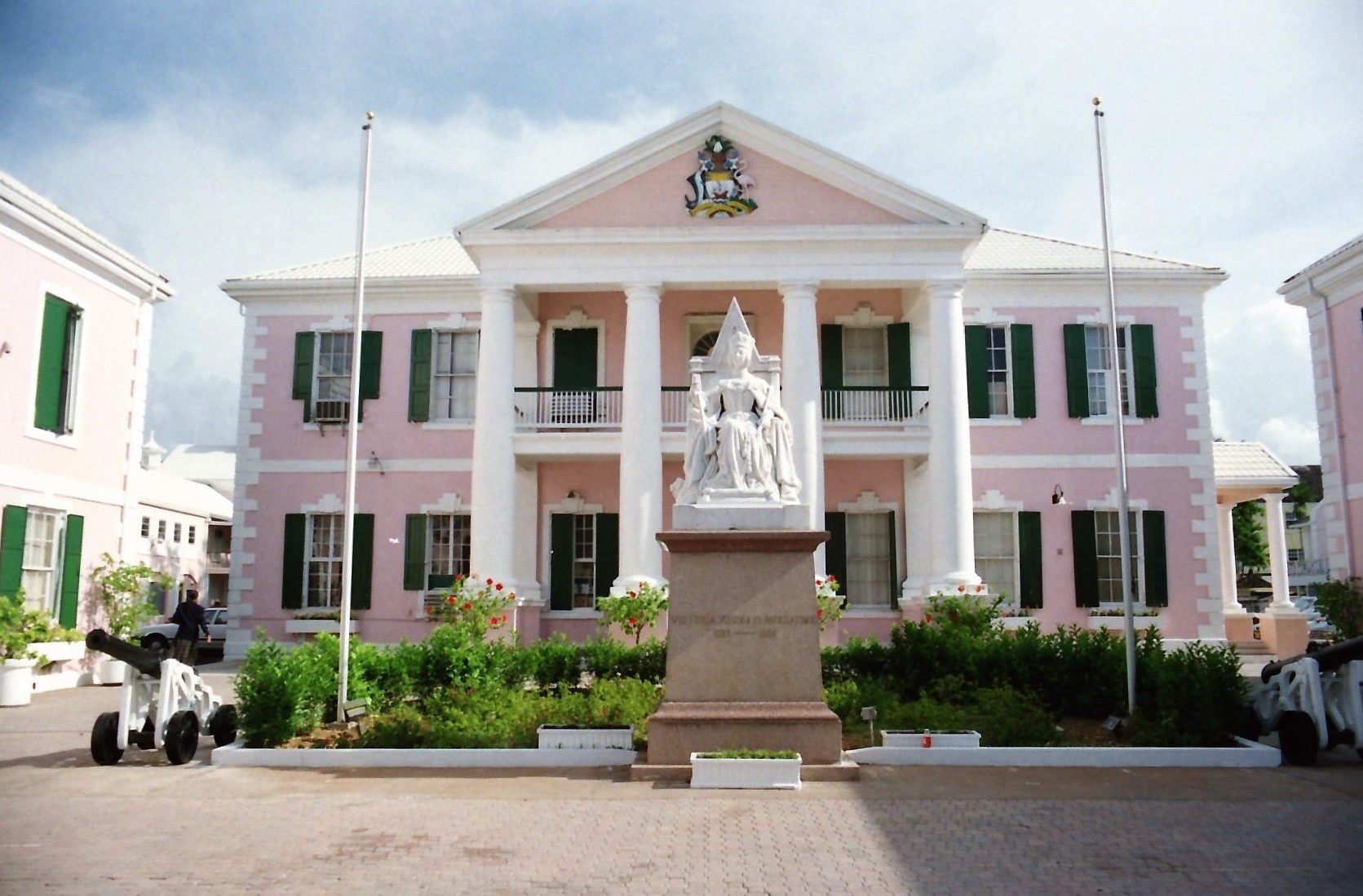
NASSAU, Bahamas. Bahamas Prime Minister Philip Davis has said the UN Climate Change Conference in Antalya, Türkiye, "failed future generations", and criticised parties he said wanted small island developing states to accept that failure in silence.
"We reject it, and we will say so in every forum open to us," Mr Davis said.
COP31 ended on Sunday without a final agreement after two weeks of talks and almost two days of overtime failed to break a deadlock over fossil fuels and climate finance. COP31 President Murat Kurum acknowledged there was no consensus on the proposed text, leaving the summit without an adopted cover decision. Mr Davis said it was the first time since Copenhagen in 2009 that nations could not agree on what to say about the danger they share.
The 15-member Caribbean Community (CARICOM) on Monday expressed its "deep disappointment" that the conference was unable to agree a cover decision setting out the urgent action needed as the world approaches warming above 1.5C.
'A weapon'
Mr Davis said narrow self-interest caused the failure, and that "a small number of oil and gas producers put their revenues ahead of the safety of billions of people".
"They used the rule of consensus, a rule meant to give every nation an equal voice, as a weapon to strip the cause of the crisis from the text," he said.
He noted that three years ago in Dubai countries agreed by consensus to transition away from fossil fuels in their energy systems. "In Antalya, they could not bring themselves to write those words again. The final text did not mention fossil fuels at all," he said. He added that the draft would have recorded, for the first time in a UN decision, that the world is on course to break the 1.5C limit, and that it dropped a proposed target of US$120bn a year to help vulnerable nations adapt.
Small states held the line
Mr Davis said CARICOM, negotiating as its own bloc at a COP for the first time, refused to accept the text, as did the Alliance of Small Island States. "They were right. Had they signed, they would have accepted their own harm in writing. The Bahamas, a member of both, stood with them," he said.
He said small island states produce less than 1 per cent of global emissions yet carry the weight of a crisis they did not cause. "Antalya exhausted that patience," he said.
Mr Davis said the Bahamas would return to the negotiating table, "because it remains the one place where a small nation can stand as an equal", and would press with CARICOM and AOSIS partners for real results by the end of 2027, when COP32 meets in Addis Ababa.
"Antalya gave them a shameful answer. Addis Ababa must give a better one."
 Jagdeo says Washington is not pushing Guyana into direct border talks with Venezuela
 CCJ rules Belize minister could not grant the same land twice, rejecting damages claim
 WHO chief pledges US$1m for CT scanner and operating theatres at Port-au-Prince's last major public hospital
 Barnett tells CARICOM trade ministers cost of living demands a coordinated regional response