
El Niño to bring drought, extreme heat and warmer seas to eastern and southern Caribbean, CIMH warns
A regional climatologist says the dry season to February will bring fewer but potentially intense rain events, with risks of coral bleaching and a busier hurricane season to follow.
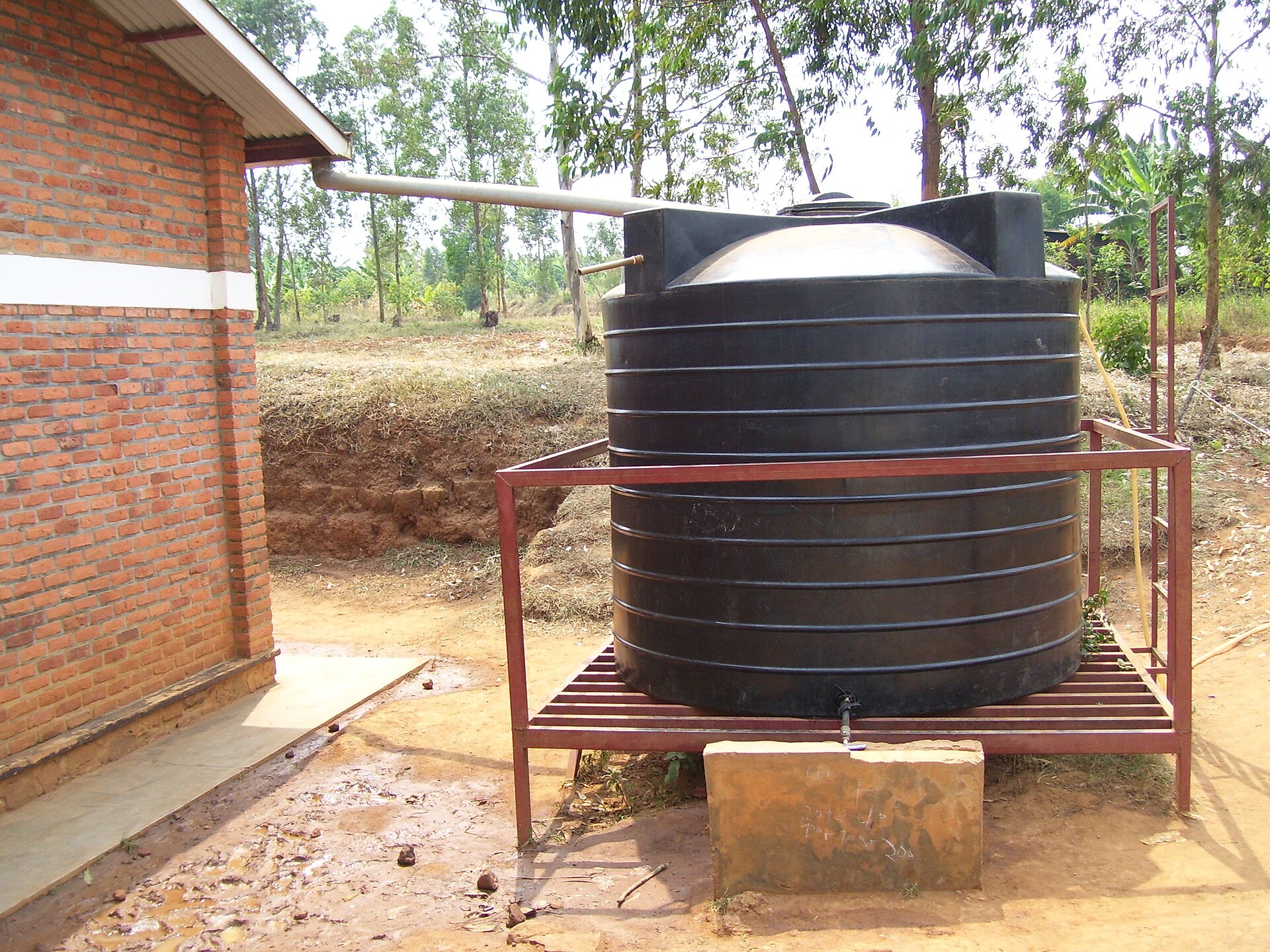
KINGSTOWN, St Vincent. A strong El Niño event is expected to bring much drier conditions, more heat and warmer ocean temperatures to parts of the Caribbean during the 2026/2027 dry season, a regional climatologist warned on Wednesday.
Dr Cédric J. Van Meerbeeck, a climatologist at the Barbados-based Caribbean Institute for Meteorology and Hydrology (CIMH) and a senior lecturer in climate science at the University of the West Indies, said the eastern and southern Caribbean were particularly vulnerable to below-normal rainfall and reduced water supplies.
He was addressing the 2026/2027 Dry Season Caribbean Climate Outlook Forum, which brings together climate experts, meteorologists, journalists and regional stakeholders to examine projections and improve how climate risk is communicated.
El Niño develops when ocean temperatures in the equatorial Pacific become significantly warmer than normal. "What that translates to for the Caribbean is a higher chance for drought, and especially in the eastern and the southern Caribbean," Van Meerbeeck said.
Heat as well as dryness
He said the year after the onset of an El Niño typically brings record or near-record warm conditions, so countries must prepare for prolonged dryness and excessive heat at the same time, and protect vulnerable people from the heat over the coming year.
Drought does not mean no rain at all, he stressed. Rain events are likely to be fewer and further apart, but some could be intense, bringing flooding, flash floods and landslides that could displace communities. He said this was a particular concern for volcanic islands.
"Pay attention, stay updated."
Van Meerbeeck urged people not to become complacent because the seasonal outlook points to dry weather, and to follow their national meteorological services through regular bulletins on radio, television and in newspapers.
Water, reefs and hurricanes
He called for national discussions on how to share water sustainably between the many sectors that depend on it.
Warmer seas around the Caribbean next year also raise the chance of coral reef bleaching and of an uptick in hurricane activity, he said.
A CIMH agricultural drought map presented at the forum, projecting conditions at the end of December 2026, places some territories under drought watch, drought warning or drought emergency, while others remain in the no-concern category.
Van Meerbeeck said El Niño can shape rainfall from the summer of its onset through the northern hemisphere winter, meaning that until about February the eastern and southern Caribbean face a higher chance of much drier than usual conditions and reduced water availability.
 Jagdeo says Washington is not pushing Guyana into direct border talks with Venezuela
 CCJ rules Belize minister could not grant the same land twice, rejecting damages claim
 WHO chief pledges US$1m for CT scanner and operating theatres at Port-au-Prince's last major public hospital
 Barnett tells CARICOM trade ministers cost of living demands a coordinated regional response