
Guterres says COP31 failure leaves small island states paying for a crisis they did little to cause
Speaking in Barbados alongside Mia Mottley, the UN secretary-general called for more climate finance for adaptation and renewed his appeal for support for Haiti.
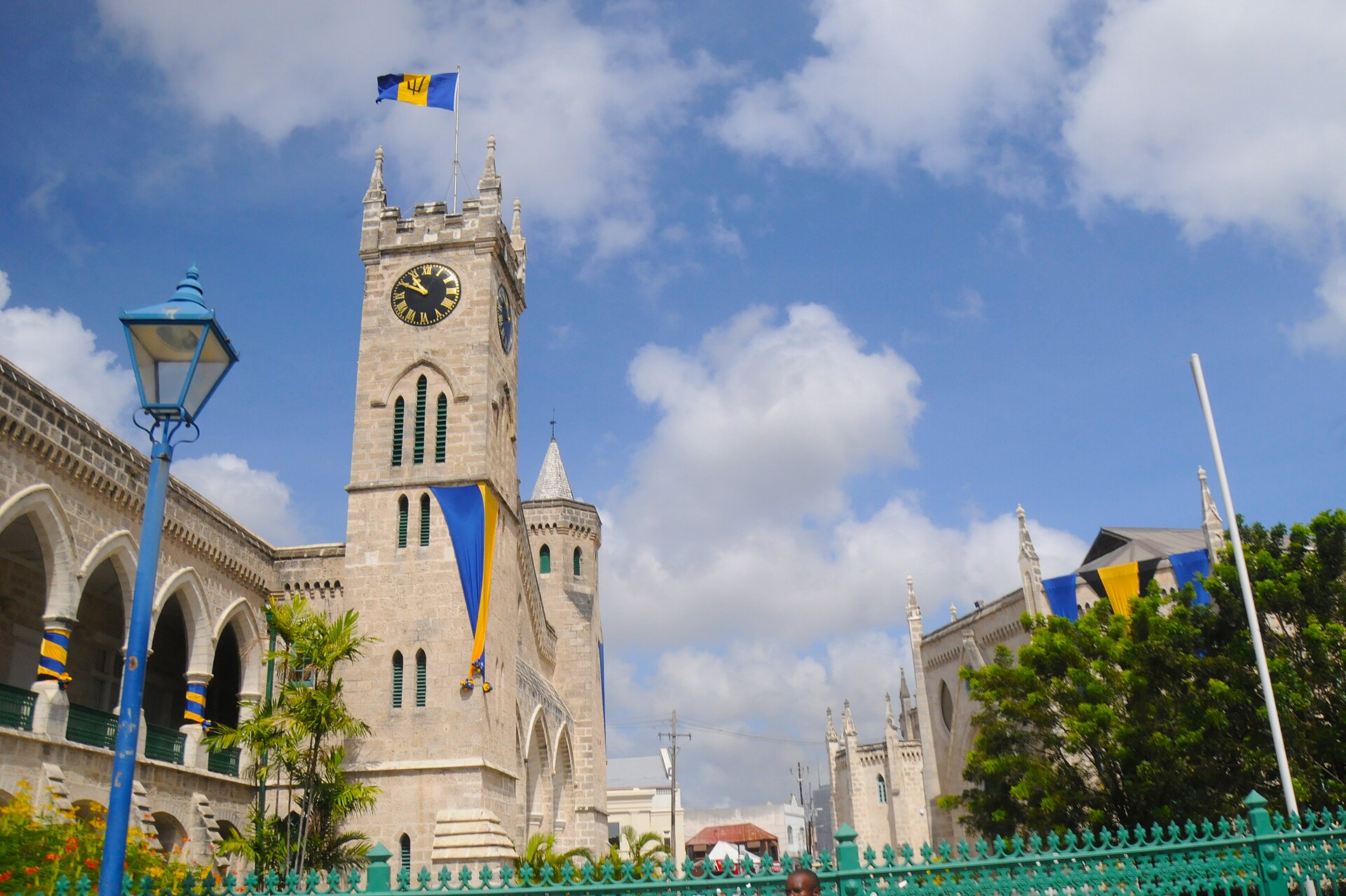
BRIDGETOWN, Barbados. United Nations Secretary-General António Guterres has said he is deeply disappointed that the COP31 climate conference ended without an overarching agreement, warning that Caribbean and other small island developing states continue to bear the heaviest burden.
He was speaking on Sunday at a joint press encounter with Barbados Prime Minister Mia Mottley, after the conference in Antalya, Türkiye.
"At a moment when the climate crisis is accelerating, governments failed to rise to the level of ambition this crisis demands," Guterres said.
"Small island developing states have contributed little to the climate crisis. Yet they are paying among the highest prices, through stronger storms, rising seas, damaged economies and mounting costs to protect their people."
Fossil fuels and finance
Guterres said global temperatures were breaking records and projections showed the world on course to exceed the 1.5 degrees Celsius threshold. He called for urgent action to limit any overshoot and bring temperatures back below the threshold before the end of the century.
He named continued dependence on fossil fuels as a major obstacle. "The continued addiction to coal, oil and gas is fueling climate chaos, exposing economies like Barbados to price shocks, and undermining energy security," he said. "We can't put out the fire while pouring fuel on it."
He urged major emitters to lead on cutting greenhouse gases, including methane, and called on developed countries to meet their climate finance commitments, particularly for adaptation.
"Justice demands far greater support for adaptation, loss and damage, and a just transition to renewable energy," he said.
Overlapping shocks
Guterres said the Caribbean faced overlapping geopolitical, economic, climate and security shocks, citing higher fuel costs and disrupted trade linked to instability in the Middle East, rising debt, high interest rates, the cost of living, organised crime and the trafficking of weapons and drugs.
He described the exclusion of developing countries from meaningful participation in major international institutions as an enduring consequence of colonialism, and praised Mottley's Bridgetown Initiative for reform of the international financial system.
Haiti appeal
The secretary-general renewed his call for the full deployment of the Gang Suppression Force in Haiti and sustained help for Haitian security institutions, saying operations must comply with international law and human rights obligations. He warned that security alone would not end the crisis.
"Haiti needs a Haitian-owned political process that restores democratic institutions through elections, rebuilds the authority of the state, and offers young people hope beyond the grip of the gangs," he said.
Long-term presence
Guterres announced a new five-year Sustainable Development Cooperation Framework with Barbados and welcomed a new 25-year lease for UN House. "The United Nations is here for the long haul," he said.
He marked Barbados' 60 years of UN membership and said the island was "punching above its weight" on issue after issue. Guterres and Mottley are due to attend the Bridgetown Special Summit on AI Safety, which the Barbados government and the UN are co-hosting on Monday.
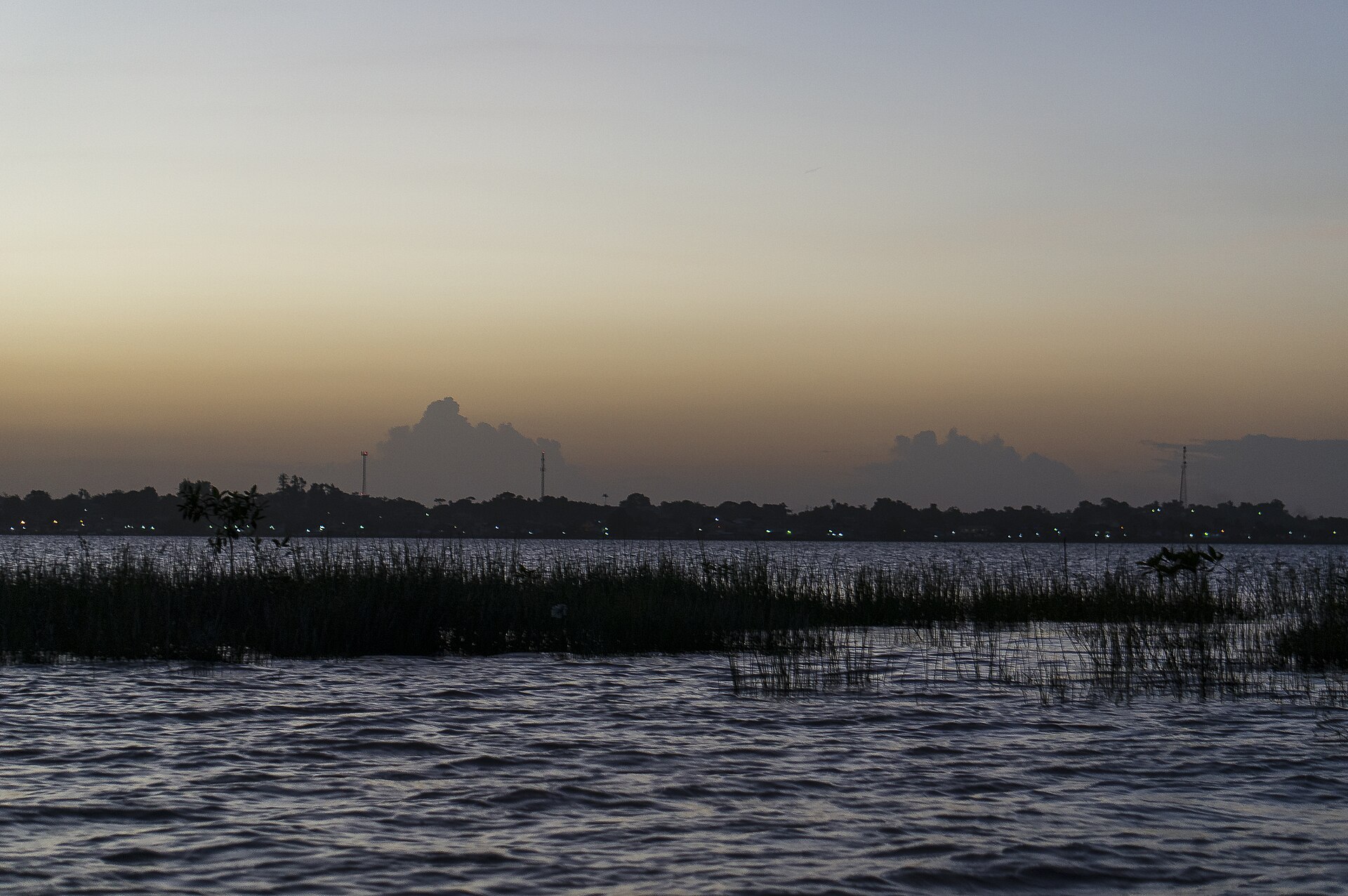 Jagdeo says Washington is not pushing Guyana into direct border talks with Venezuela
 CCJ rules Belize minister could not grant the same land twice, rejecting damages claim
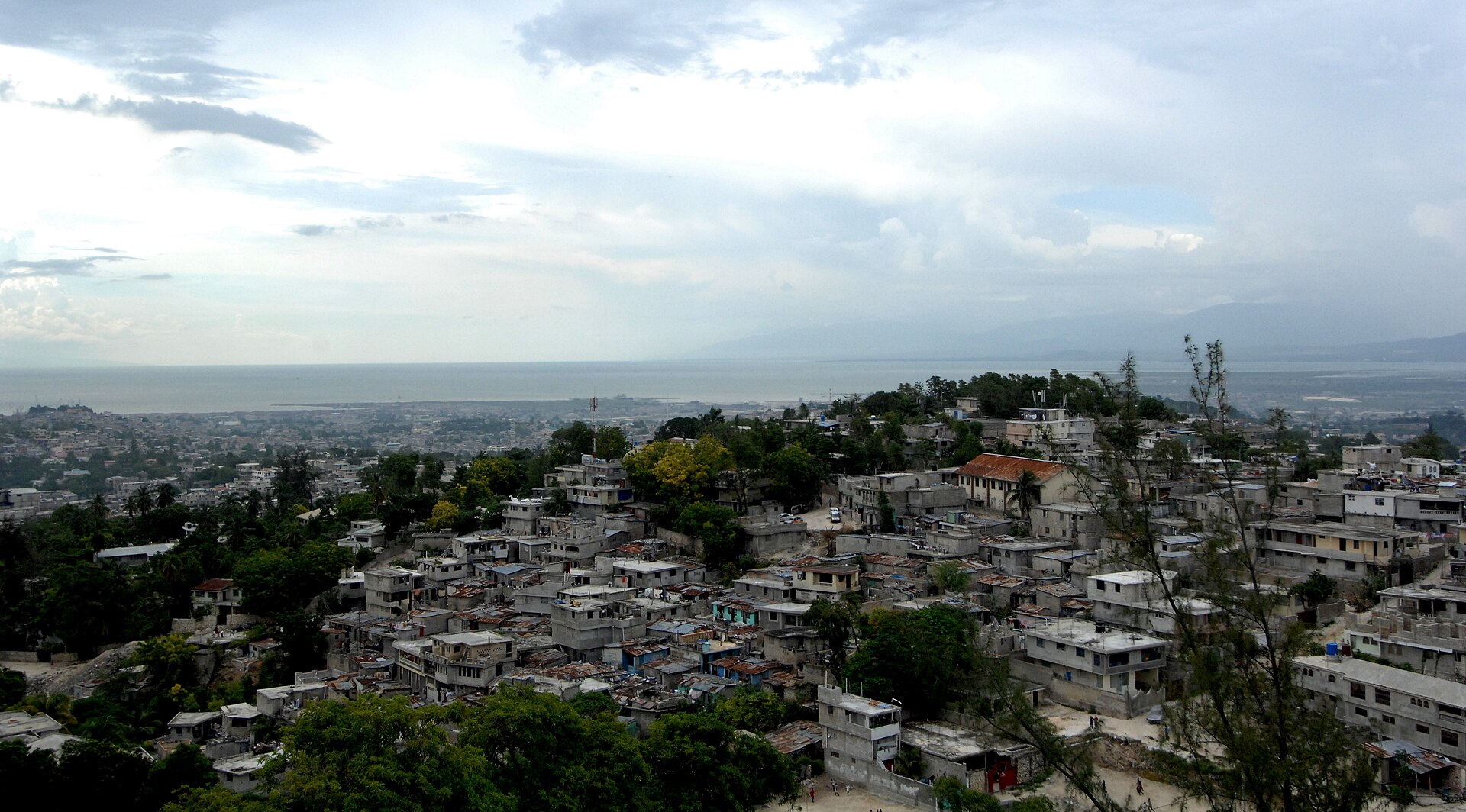 WHO chief pledges US$1m for CT scanner and operating theatres at Port-au-Prince's last major public hospital
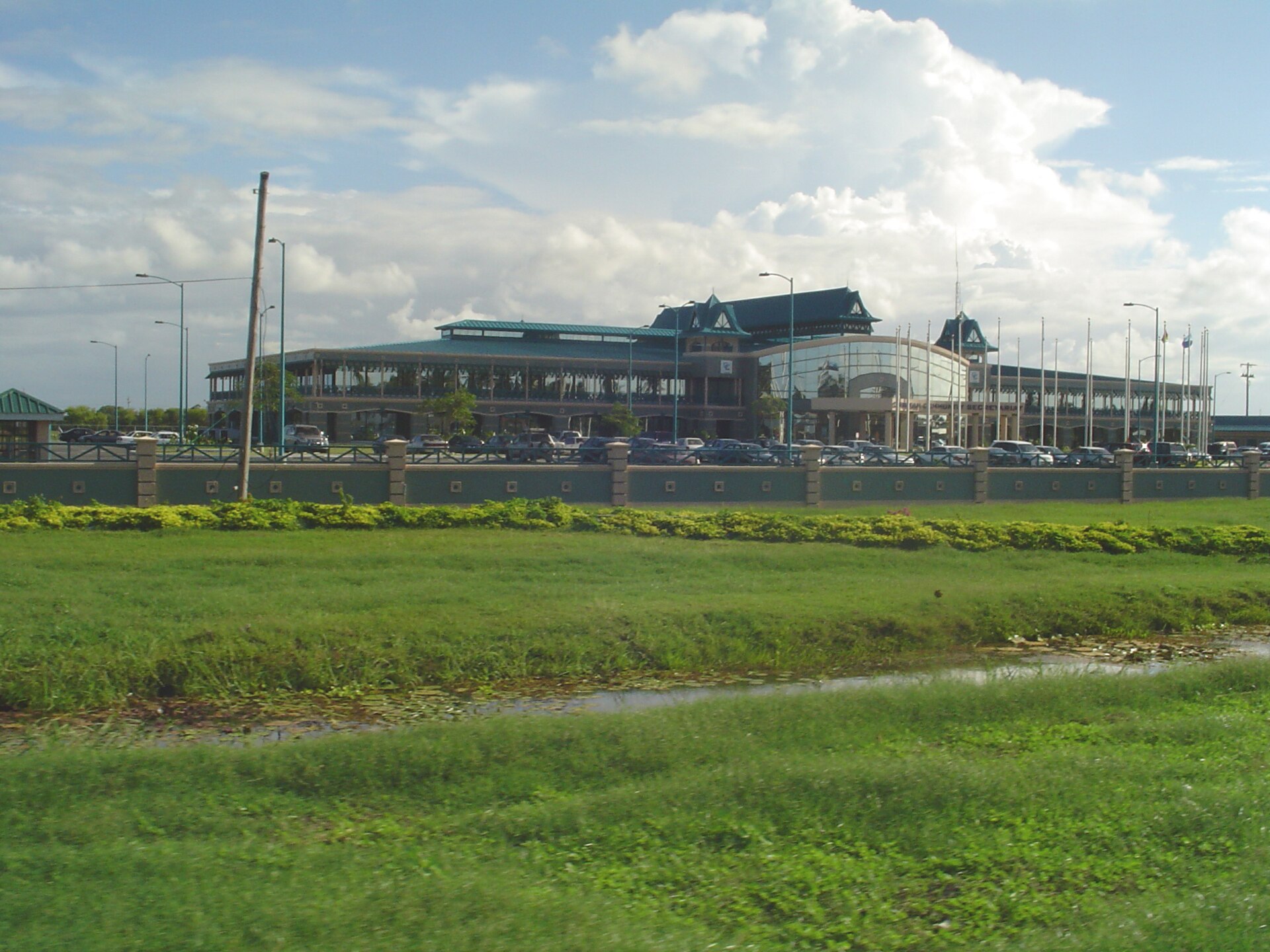 Barnett tells CARICOM trade ministers cost of living demands a coordinated regional response