
Trinidad and Tobago drew US$379.6m from Heritage and Stabilisation Fund, minister tells Senate
Planning minister Kennedy Swaratsingh said the sovereign wealth fund held US$6.5bn on 1 September, as he set out debt of 83.3 per cent of GDP and a projected TT$7bn deficit.
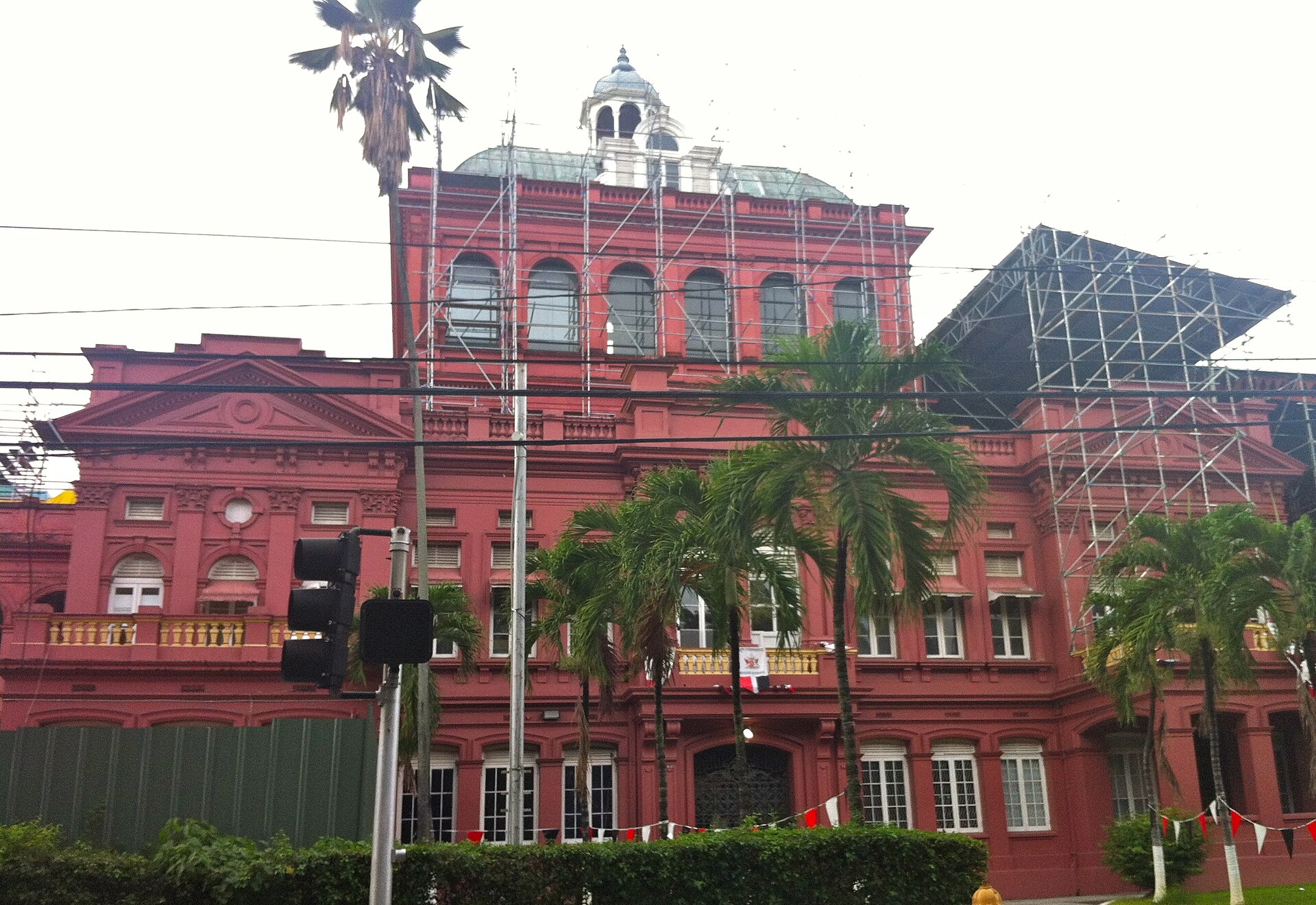
PORT OF SPAIN, Trinidad and Tobago. The Trinidad and Tobago government made two withdrawals totalling US$379,631,490 from the Heritage and Stabilisation Fund (HSF) during the fiscal year, the Senate heard on Tuesday.
Dr Kennedy Swaratsingh, the minister of planning, economic affairs and development, said the withdrawals were made on 20 November last year and in August this year. The fund's balance stood at US$6.5bn on 1 September 2026.
The HSF, set up in March 2007, is the country's sovereign wealth fund. It cushions government revenue when energy prices fall and builds long-term savings for future generations.
Swaratsingh was answering questions from opposition legislator and former finance minister Vishnu Dhanpaul on the foreign exchange situation, public debt and unemployment.
Foreign exchange
The minister said commercial banks source their daily foreign currency from energy companies and the public, not from the Central Bank of Trinidad and Tobago, which intervenes to supplement supply and stabilise the market on a bimonthly basis, or more often depending on conditions.
In the 12 months to 30 September, net sales of foreign currency to the public were about US$1.49bn, while the central bank's sales to commercial banks totalled US$1.28bn, he said.
In June the bank reintroduced US dollar cash interventions of US$10m a month to support cash for travel, and in August it held a special US$30m sale alongside its regular intervention to ease demand.
Debt and deficit
Swaratsingh said audited general government debt was estimated at TT$149.5bn, or 83.3 per cent of GDP, at the end of fiscal 2026. Domestic debt was TT$108.5bn, or 60.4 per cent of GDP, and external debt TT$41.1bn, or 22.9 per cent.
The projected deficit for fiscal 2026 is TT$7bn, the revised estimate.
He said the government had introduced measures to widen the tax base, including an asset levy on banks and insurers, a landlord registration fee and a business electricity surcharge, alongside higher duties on alcohol and cigarettes and a single-use plastic tax. It is also rebuilding the Inland Revenue Division and the Customs and Excise Division and working towards a transfer pricing regime.
"Collectively, these reforms represent an important component of the government's medium-term strategy to narrow the fiscal deficit and strengthen fiscal sustainability," he said.
Unemployment
The official unemployment rate, as measured by the Central Statistical Office, was 5.4 per cent in the first quarter of 2026. It was 3.8 per cent in the second quarter of 2025, 4.8 per cent in the third and 4.3 per cent in the fourth, the minister said.
 Suriname takes US$1.6bn decision on KrakaWi offshore gas project, with first LNG due in 2030
 IMO net-zero shipping rules could add US$3.6bn to CARICOM import bills, private sector study warns
 ECCB governor Antoine proposes national insurance compact to secure Grenada's pension scheme
 Guyana Gold Board expects to beat last year's 200,000 ounces as it opens buying points near mines